

Explorations
The Last Cut: How Swift & Company Made Fort Worth a Packinghouse City
Fort Worth’s cattle story did not end when the trail reached the railhead. At Swift, the animal entered a new system—industrial, refrigerated, timed by shifts, and measured in wages.
In this story
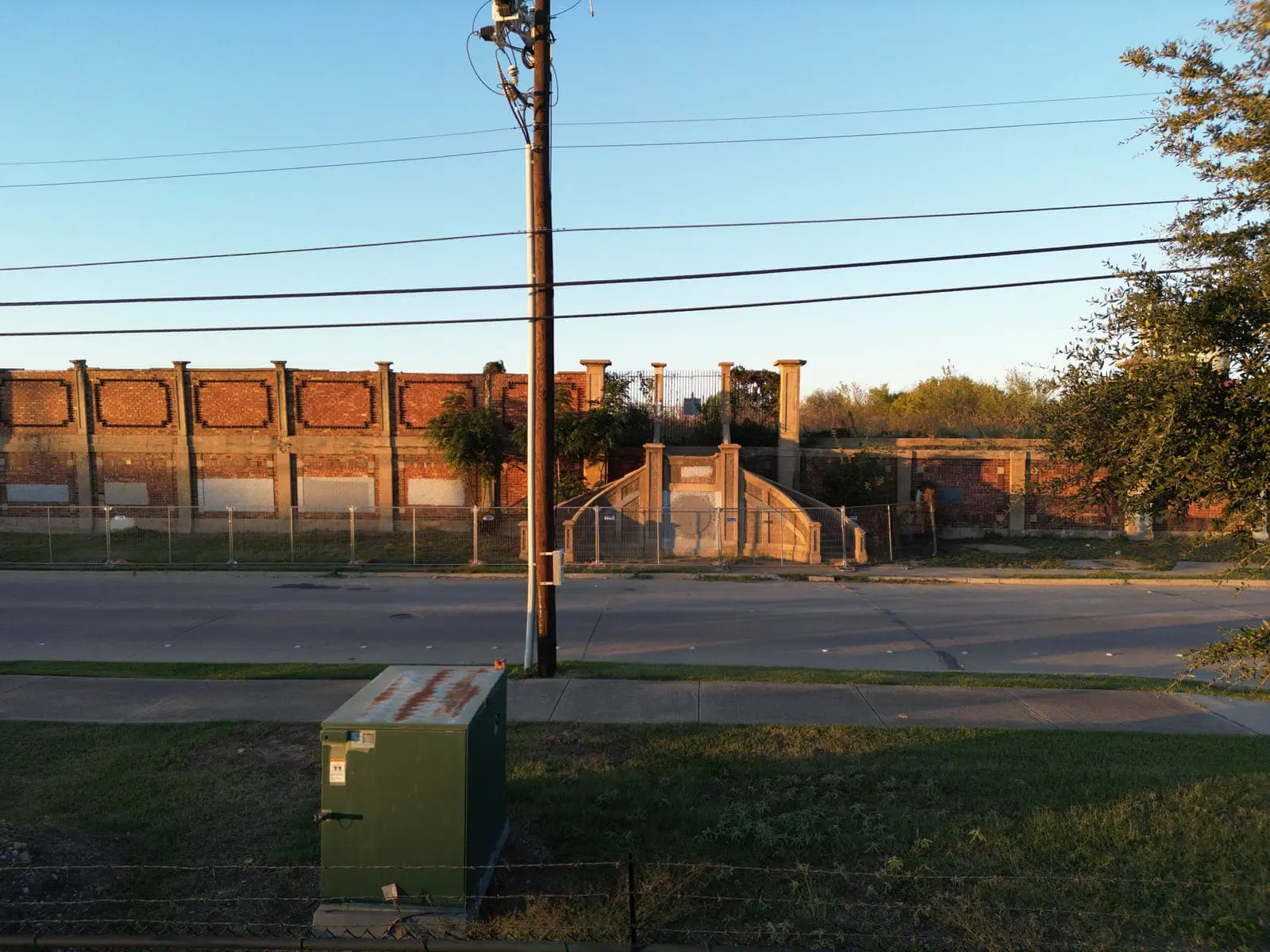
The surviving remains of the Swift & Company complex can look like a haunted edge of the Stockyards story. That reading is tempting and incomplete. This was not a backdrop built for ruin photography. It was once an immense workplace whose machinery, smells, heat, cold, noise, danger, and payroll helped transform Fort Worth.
The meatpackers come to Texas
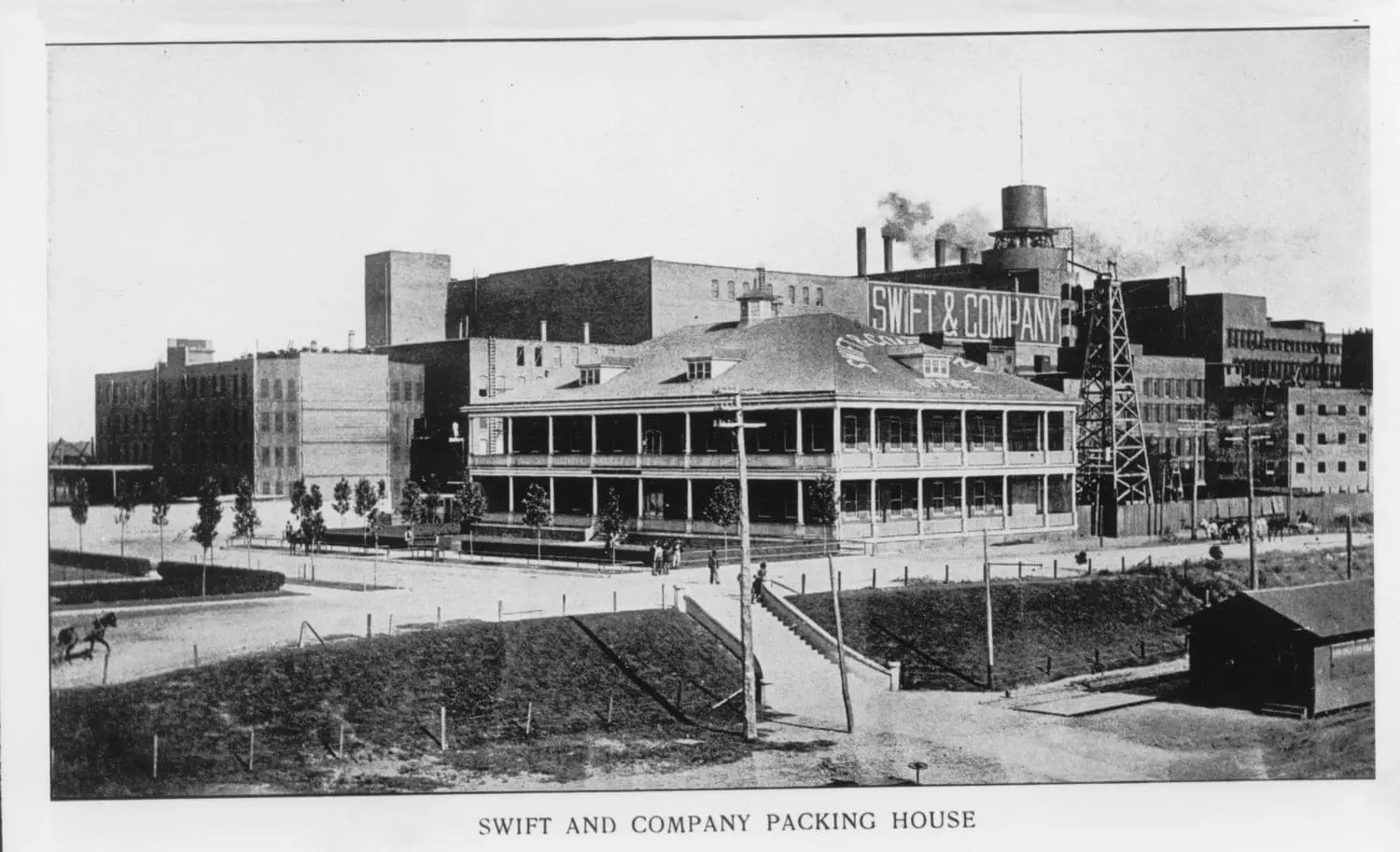
City leaders had tried to establish a major packing industry near the stockyards before national firms arrived. In 1901, Fort Worth offered financial incentives to attract large meatpackers. Swift & Company and Armour & Company answered. Construction began in 1902, and operations started in 1903 beside the livestock pens and railroad tracks.
The location joined every part of the system. Cattle arrived at a major market. Rail moved finished products outward. Refrigeration allowed meat to travel far beyond the city. Rendering and by-product operations found value in parts that earlier systems could not move efficiently.
Payroll and population
The packinghouses created thousands of jobs directly and supported railroads, livestock businesses, warehouses, shops, and neighborhoods. The City of Fort Worth describes their arrival as an event that rivaled the first railroad in importance. Fort Worth’s population nearly tripled between the 1900 and 1910 censuses.
Statistics can make growth feel clean. Packinghouse labor was not. Workers performed repetitive, physically demanding tasks around sharp tools, heavy animals, slippery floors, extreme temperatures, and industrial machinery. The plant depended on skill and endurance, even when the production line made individual laborers appear replaceable.
Trying to save the plant
By the middle of the twentieth century, drought, changing markets, transportation shifts, consolidation, and competition weakened the Fort Worth packing industry. Armour closed its meatpacking operation in 1962. Swift workers made painful concessions: the local union accepted pay cuts in 1962 and again in 1969 in an effort to protect the plant and roughly 1,400 jobs.
The effort failed. Swift closed the Fort Worth plant in 1971. At the time, the operation still represented a payroll above $10 million and spent roughly $50 million annually buying livestock. Closure was not simply the end of a company facility. It removed an economic rhythm around which families and neighborhoods had organized their lives.
Fire, fragments, and memory
Fires in the mid-1970s destroyed much of the former plant. The administrative offices later found restaurant use, while other remnants deteriorated. Historic Fort Worth’s 2026 endangered list includes a surviving staircase from the Swift site—a fragment small enough to overlook and powerful enough to mark where a vast industrial world once stood.
Preserving a packinghouse story requires more than saving attractive brick. It means remembering labor, immigration, unions, animals, public incentives, environmental costs, and the way industrial employment shaped daily life. The Stockyards tourists encounter today grew from that harder economy.
Access note: Remaining industrial structures and ruins may be private, unstable, and dangerous. View them only from legal public areas and never enter a fenced or restricted site.
Sources and further reading
- City of Fort Worth: Fort Worth history
- Handbook of Texas: Swift and Company
- City of Fort Worth: Stockyards historic framework
- Texas Historical Commission: Swift & Company historical marker
- Historic Fort Worth: 2026 Most Endangered Places
- U.S. Census Bureau: 1910 population of incorporated places
Continue exploring
More stories from the field
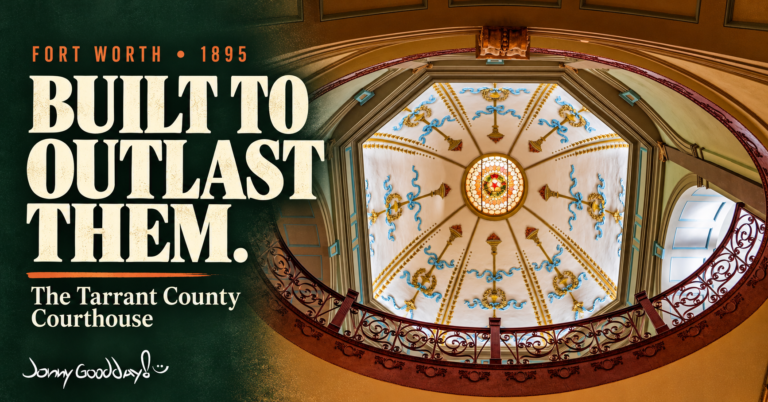
Fort Worth’s Courthouse Outlasted the Officials Who Built It
Fort Worth’s 1895 courthouse came in under budget—and still cost the county judge and commissioners their jobs. Explore the landmark’s history, restoration…
Read the story →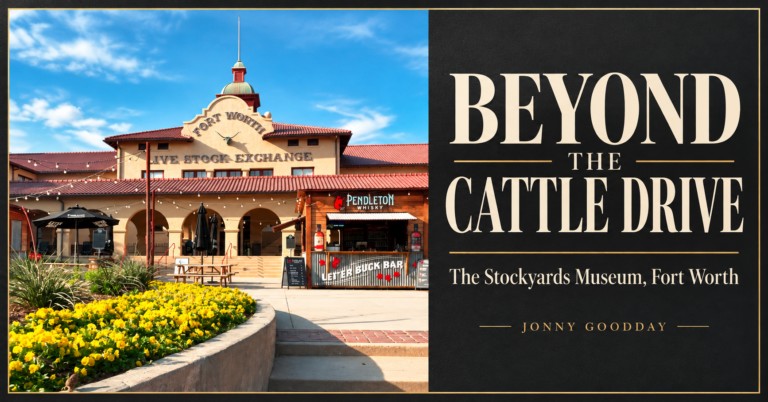
Inside Fort Worth’s Stockyards Museum with Teresa Burleson
Join Jonny Goodday and museum director Teresa Burleson for the photographs, people and working history behind Fort Worth’s Stockyards Museum.
Read the story →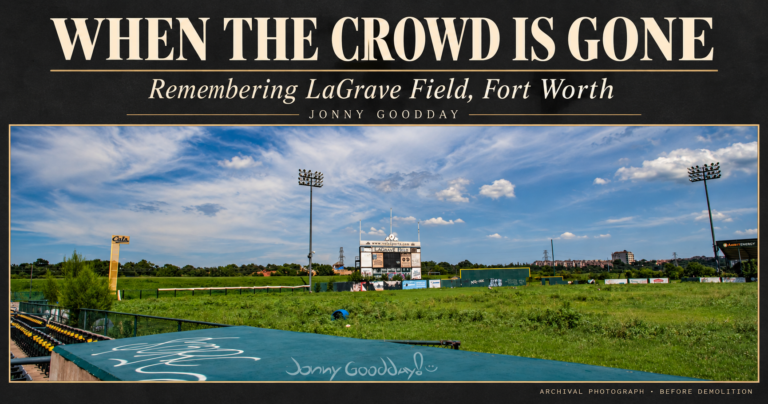
Remembering LaGrave Field and the Fort Worth Cats
Jonny Goodday’s photographs preserve Fort Worth’s LaGrave Field before demolition, connecting the abandoned ballpark with the Cats and the memories it held.
Read the story →Stay close to the road
Follow the next story.
Occasional article updates, photographs, and films from the field.
Help document the places worth remembering. Support the work →
No Responses