

Explorations
Sugar, Prison Labor, and the Central Unit: The History Beneath Sugar Land
In Sugar Land, sweetness and punishment occupied the same ground. Cane fields, mills, camps, fences, and graves formed one landscape. The clean white product concealed coercion and suffering.
In this story
At a glance: The site was a prison farm. Sugar shaped the town. Work was hard. The state ran the farm. The unit opened in 1932. The walls were made of concrete. The site is now gone. The graves remain part of the story. This history matters. These photos are an archive.
The Central Unit was not an isolated prison building. Its history reaches back to the Imperial State Prison Farm, plantation agriculture, and Texas’s convict leasing system. The names changed, but the relationship between land, labor, race, and state power remained.
From plantation to prison farm
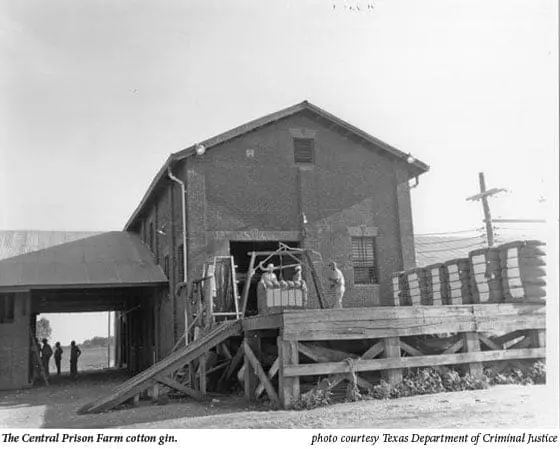
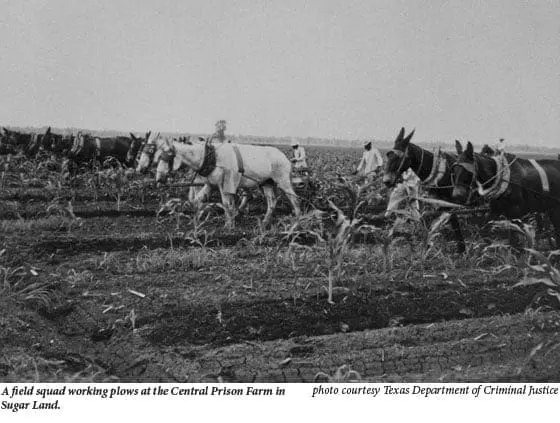
After the Civil War, Texas leased incarcerated people to private operators. They worked in mines, rail construction, timber, agriculture, and other dangerous jobs. On sugar plantations, formerly enslaved Black Texans could be drawn back into forced labor through a criminal legal system that punished poverty and enforced laws selectively.
The state bought the Imperial plantation in 1908. It renamed the site the Imperial State Prison Farm. State ownership ended the private lease, but prison labor continued. Incarcerated people cleared land, planted and harvested crops, tended animals, and maintained canals. They also supported industrial sugar production under armed control.
Modern architecture, old power
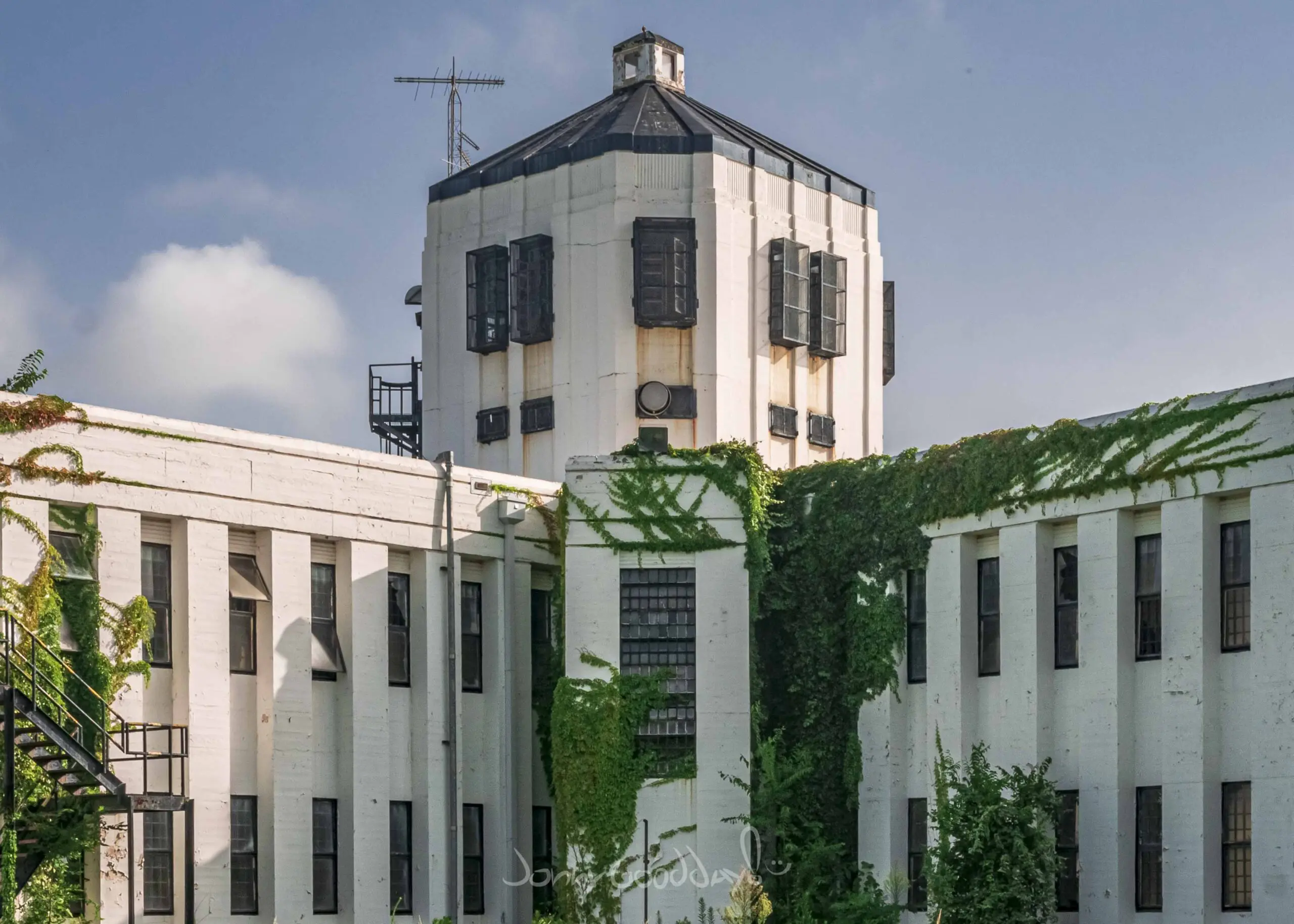
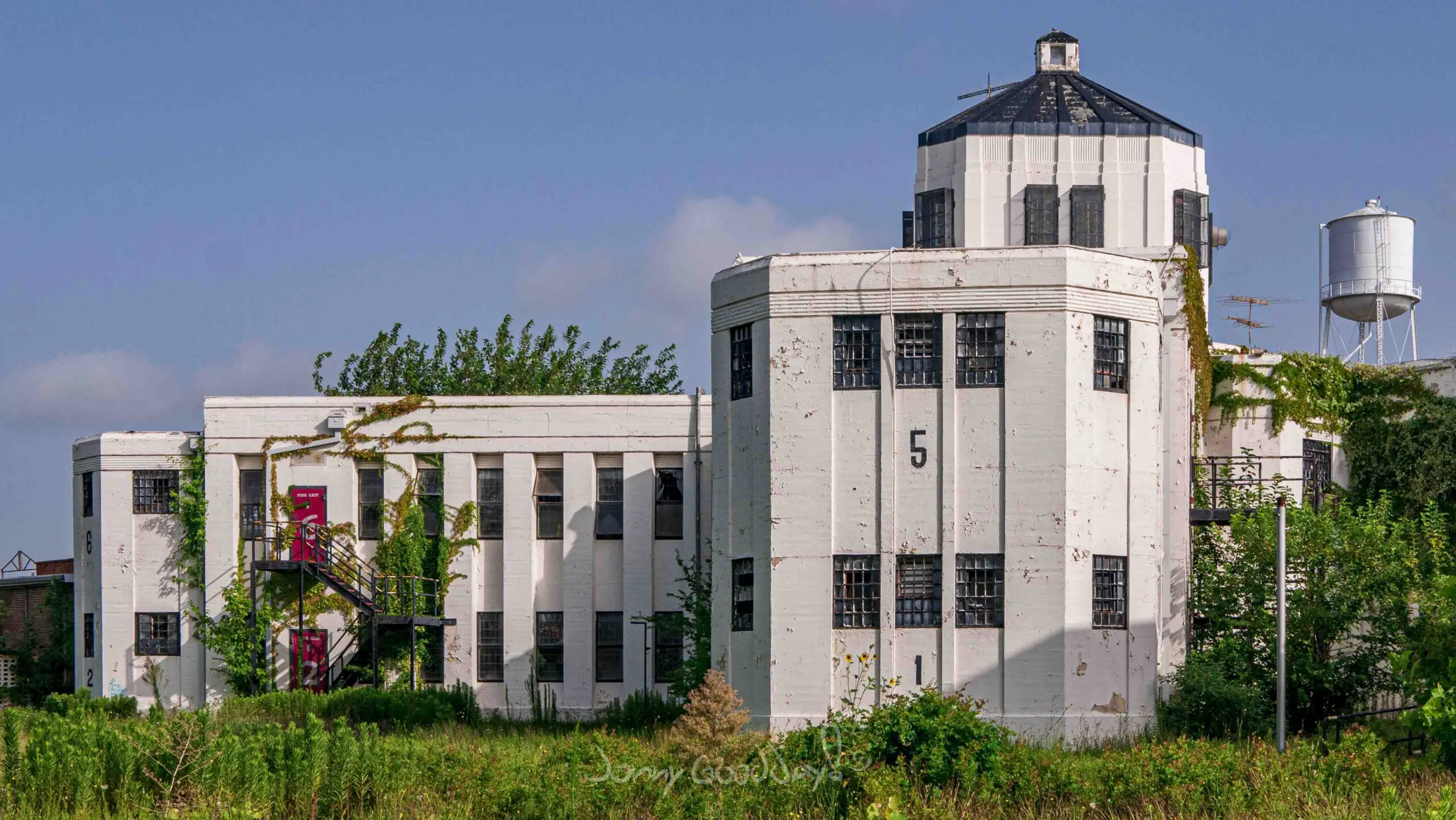
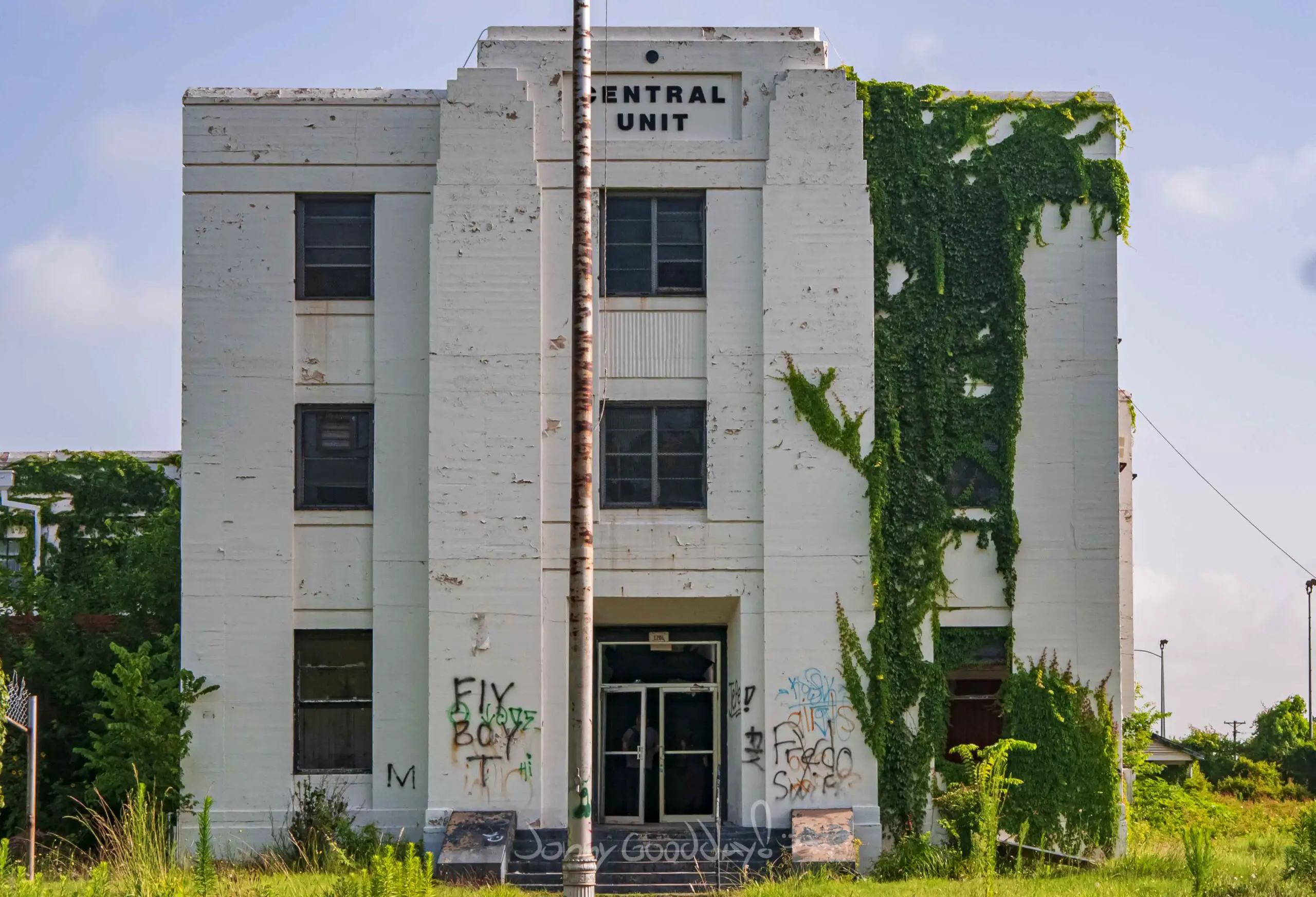
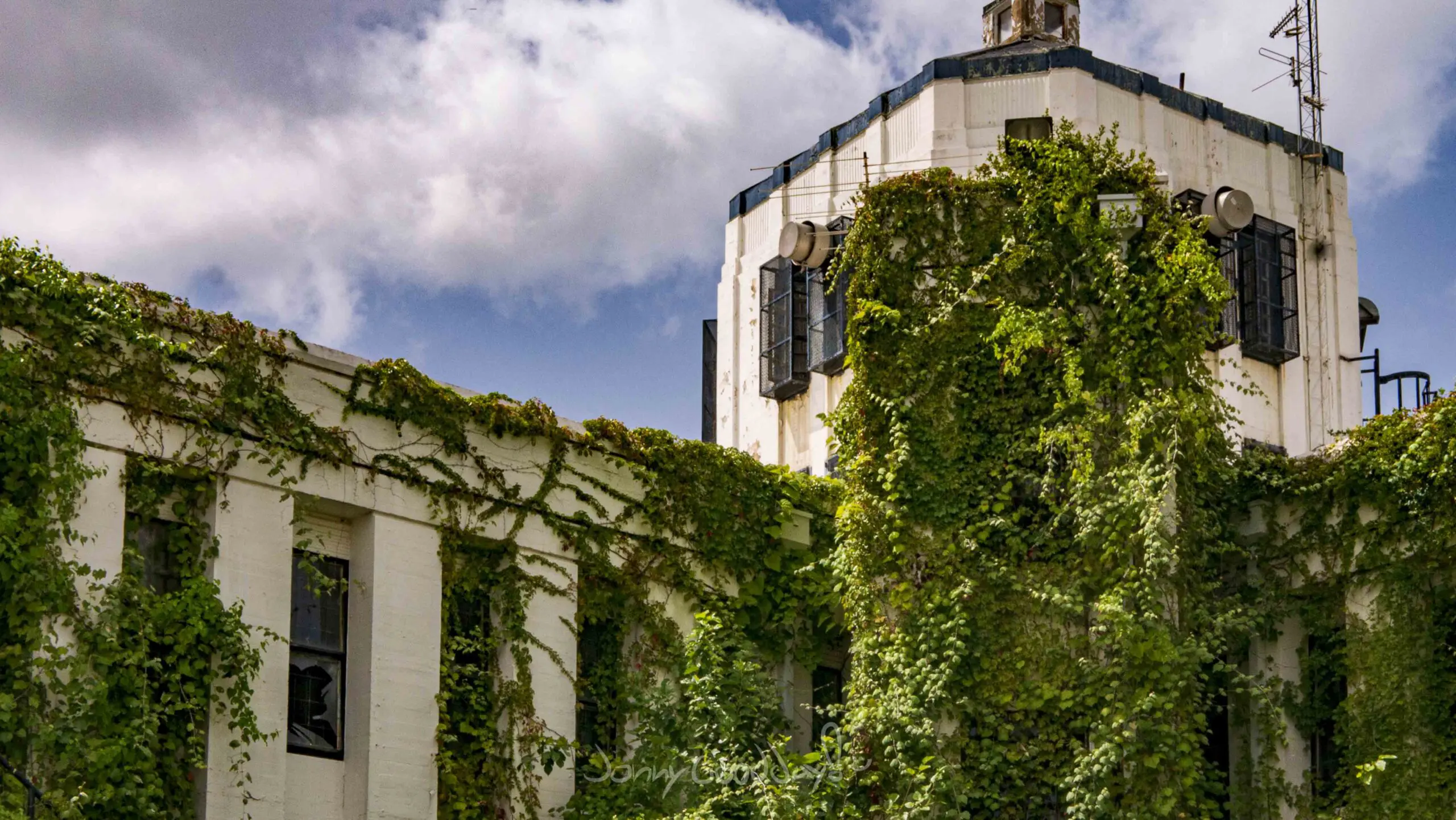
In 1930, the state began a new prison building. Giesecke and Harris designed it. The building was completed in 1932. It used poured concrete and a stripped, modern style. The Texas Historical Commission calls it the first modernized structure in the state prison system.
Modernization improved control, sanitation, and institutional organization. It did not erase the system’s origins. The unit remained tied to agricultural labor and to the racial patterns that shaped incarceration across Texas.
The people the landscape kept
Construction near the former prison property uncovered an unmarked burial ground. The discovery forced Sugar Land to face its history in human terms. The remains commonly known as the Sugar Land 95 belonged to people believed to have been connected to the region’s convict-labor system. Their graves made visible what official landscapes often hide: institutions survive in records, but people survive in the ground.
The discovery changed the public conversation. People debated development, memorials, research, and who should interpret the site. Descendant communities, historians, local government, and the public may have different priorities. An honest future must make room for that tension.
What should the Central Unit become?
The prison closed in the early twenty-first century, leaving a significant site in a rapidly growing city. Sugar Land’s recent planning has considered how the Imperial area can carry history into redevelopment. The difficult work is not choosing between a museum and a future. The goal is to create a future that does not require forgetting.
The Central Unit belongs to the larger history of Texas sugar, prisons, race, labor, and urban growth. Look beyond the ruin and see the system that produced wealth by controlling bodies.
Access note: Former prison property may be restricted, unstable, or under active planning and construction. Visit only official public areas. Never enter closed structures or cross barriers.
A personal note from the field
When I went to document the Central Unit before its destruction, only a small group of us made the visit. It was the hottest day of the summer, after a morning rain. The heat and humidity were so intense that steam rose from the sugar cane still standing in the fields. There was nothing to cool us on the long walk back off the property. I carried a large backpack filled with camera gear and a duffel bag containing my drone. To this day, it remains one of the most challenging places I have ever documented.
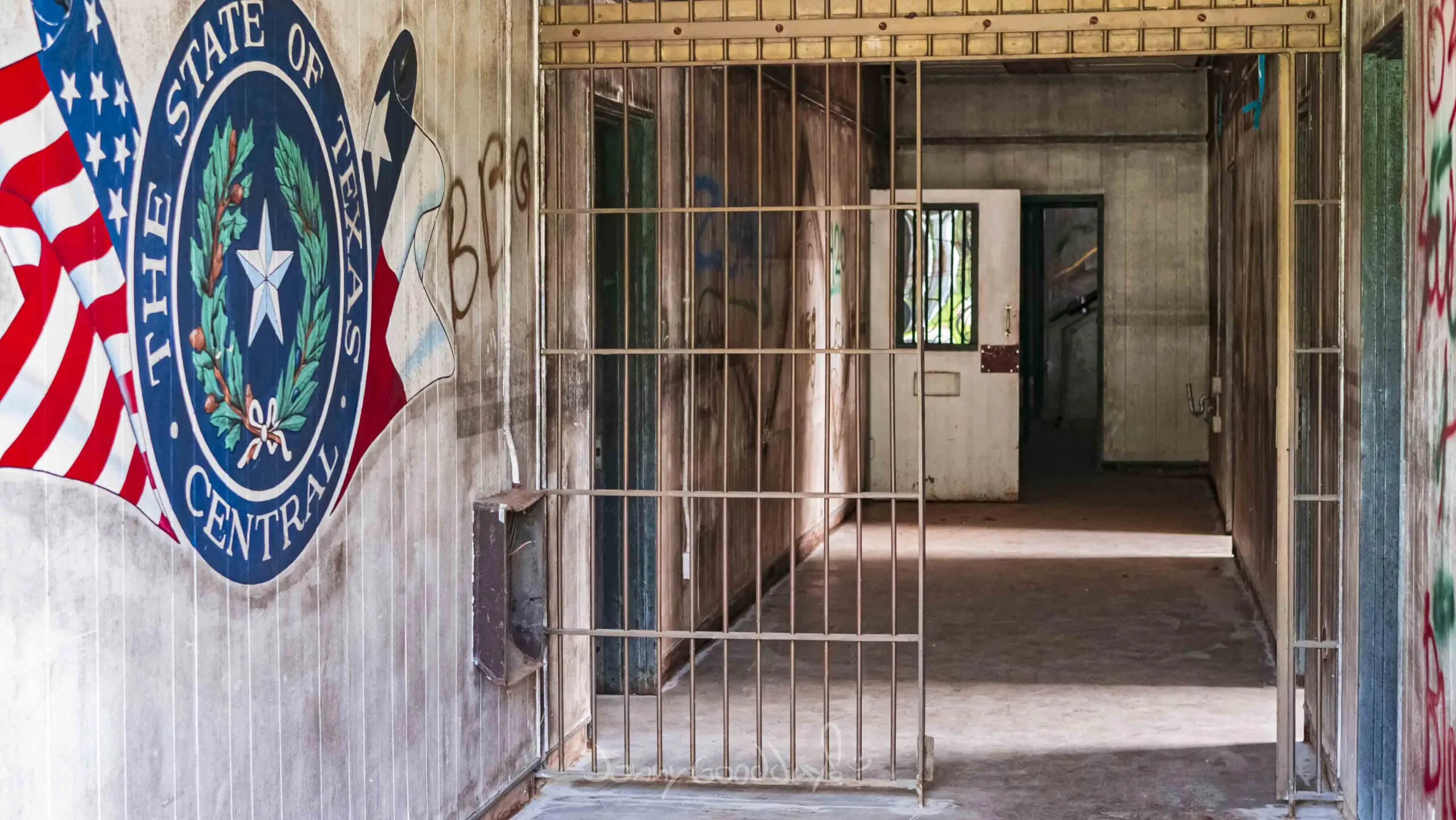
Central Unit before demolition
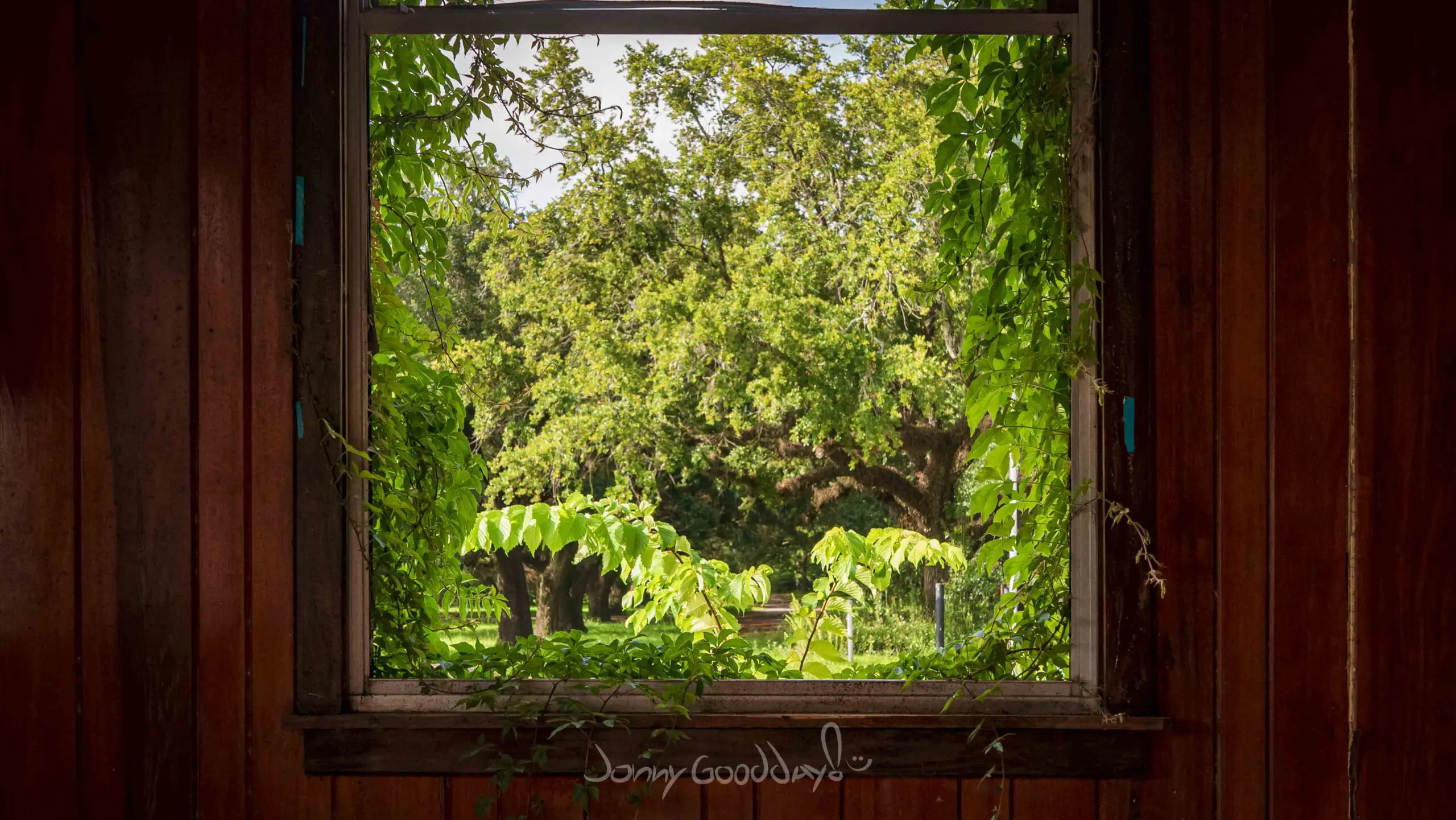
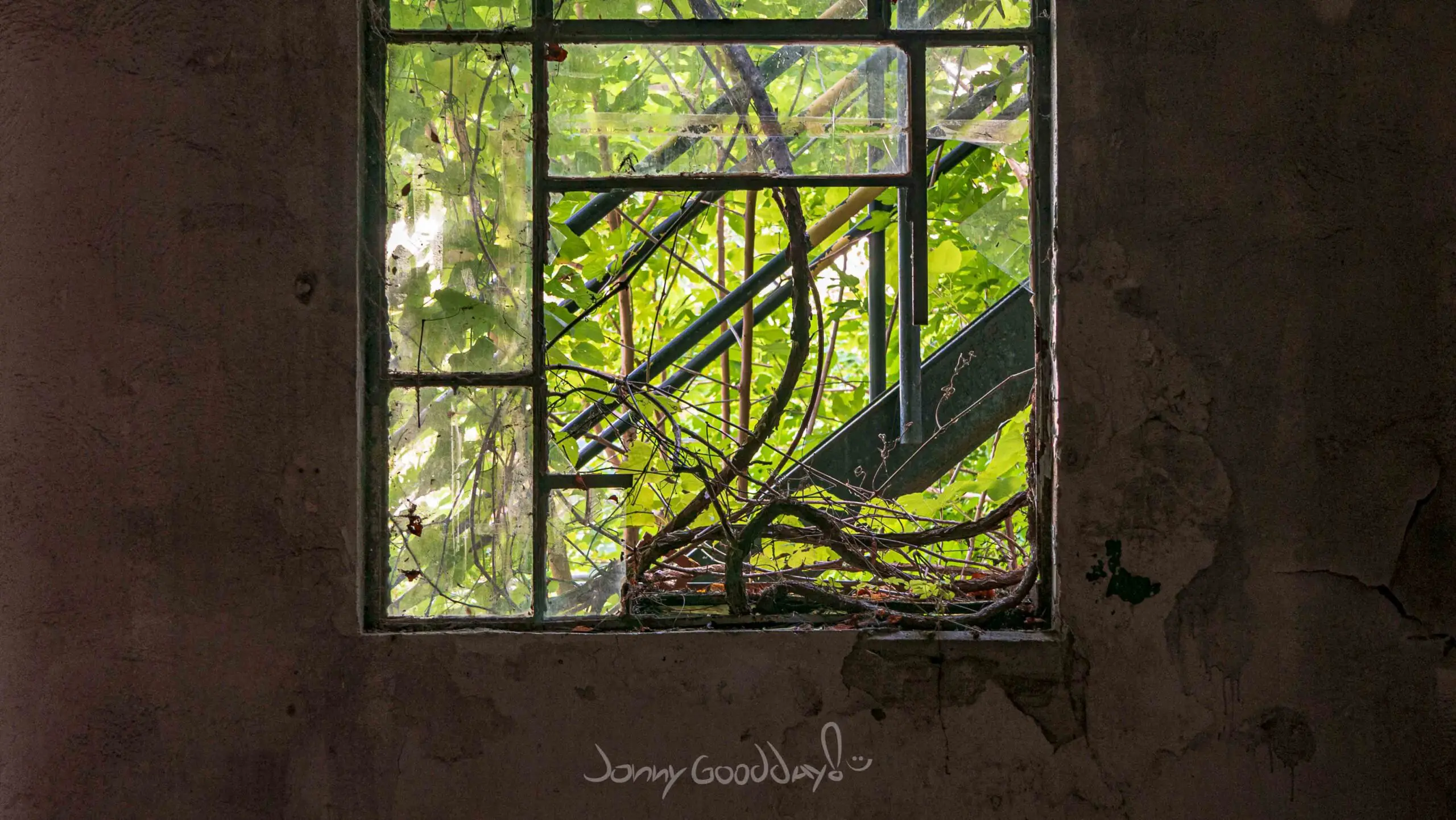
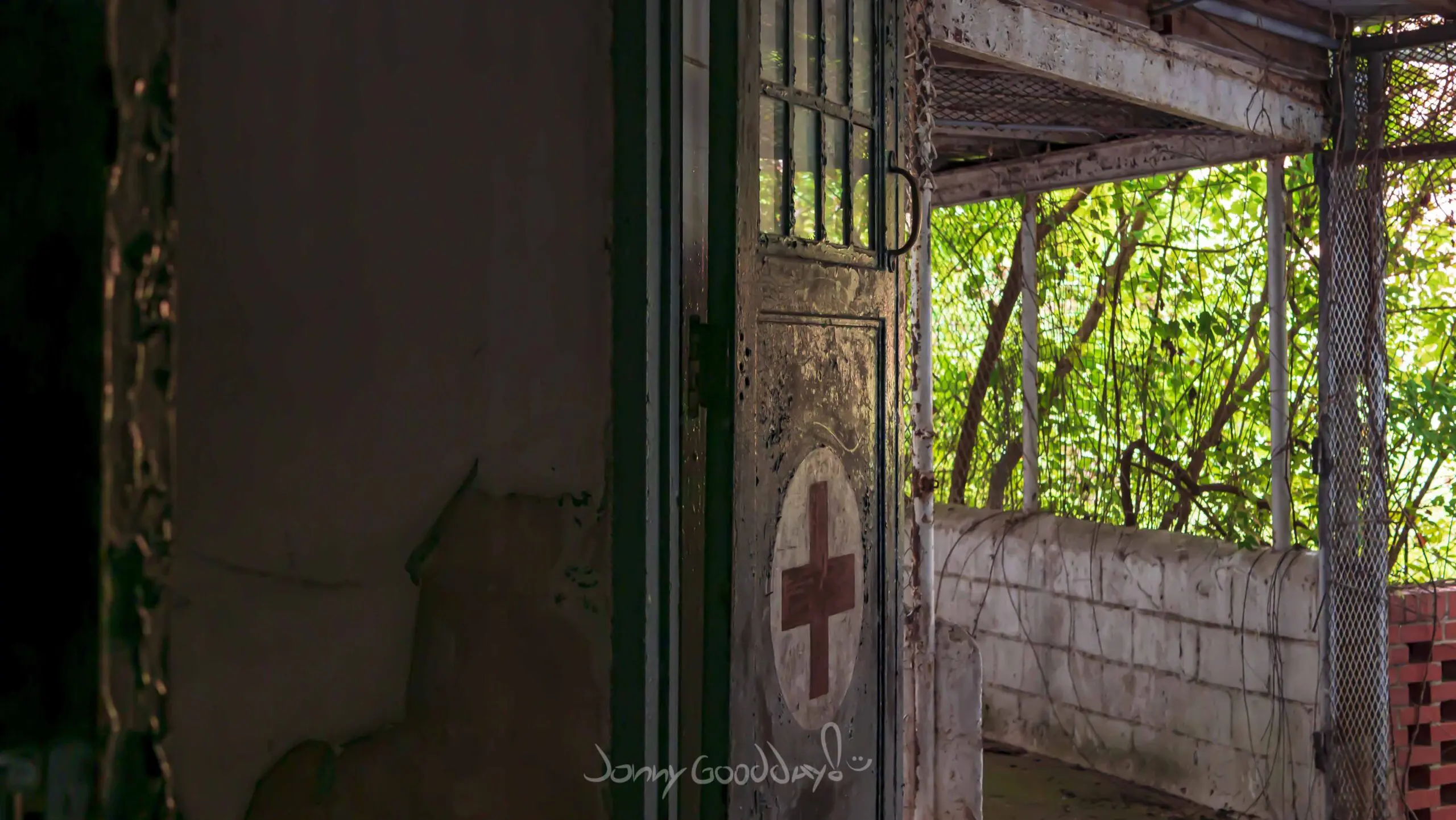
Jonny Goodday captured these photographs in 2018, before demolition. They preserve the scale, materials, corridors, and grounds that people can no longer visit.
Sources
- Texas State Library and Archives: Convict leasing and prison farms
- Texas Historical Commission: Central Unit historical marker
- City of Sugar Land: Imperial Sugar history
- City of Sugar Land: Imperial strategic vision
Continue exploring
More stories from the field
Fort Worth’s Courthouse Outlasted the Officials Who Built It
Fort Worth’s 1895 courthouse came in under budget—and still cost the county judge and commissioners their jobs. Explore the landmark’s history, restoration…
Read the story →
The Last Cut: How Swift & Company Made Fort Worth a Packinghouse City
Swift & Company helped build Fort Worth. Explore the workers, packinghouses, and surviving fragments behind the Stockyards story.
Read the story →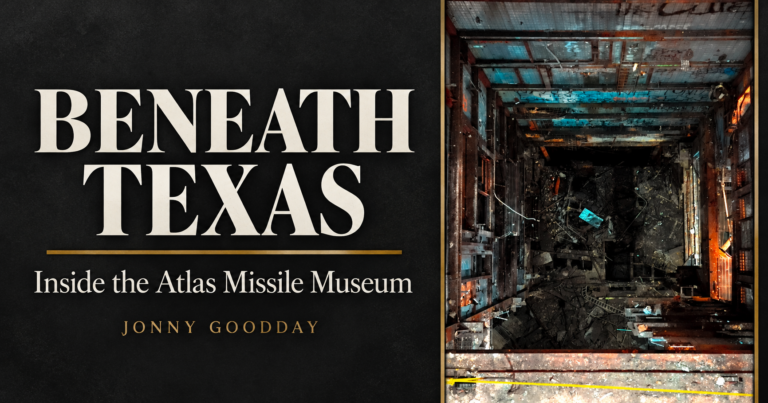
Inside the Atlas Missile Museum of Texas at Oplin
Go inside Oplin’s Atlas Missile Museum with Jonny Goodday and Bruce Townsley, where Cold War history and a remarkable community restoration meet.
Read the story →Stay close to the road
Follow the next story.
Occasional article updates, photographs, and films from the field.
Help document the places worth remembering. Support the work →
No Responses