

Explorations
Boxes, Bottles, and Brick: Mineral Wells’ Box Factory Story
Walk down Northwest 7th and you can still hear the Mineral Wells Box Factory.
In this story
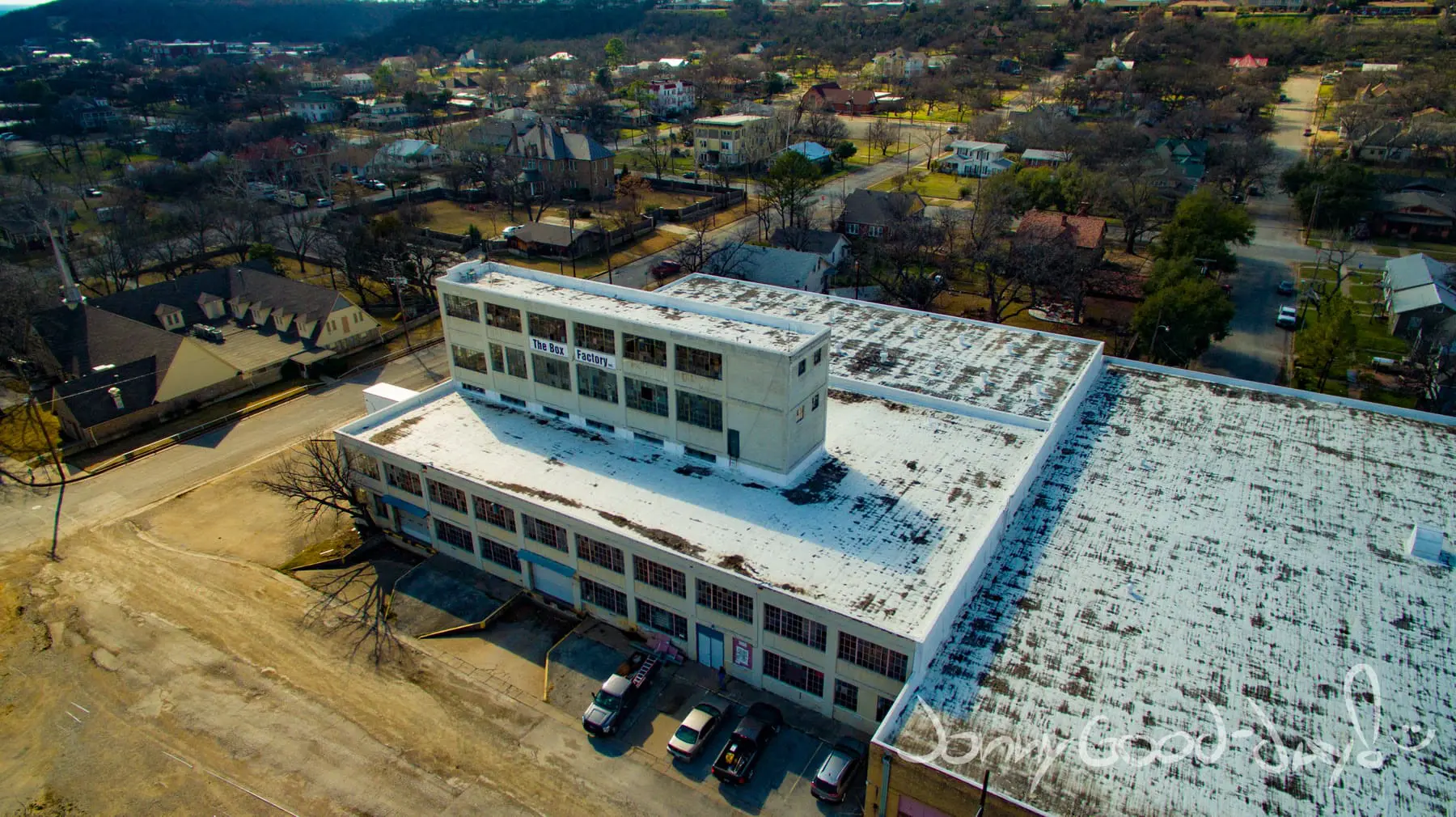
The rail line hugs the block. A tall brick mass rises beyond the loading docks. Forklifts clatter. Glass jars knock. Paper smells sweet and dusty. Locals call it the Box Factory. For a century this corner of Mineral Wells has made, packed, and shipped things people wanted.
Inside the Mineral Wells Box Factory
Built to box a miracle powder
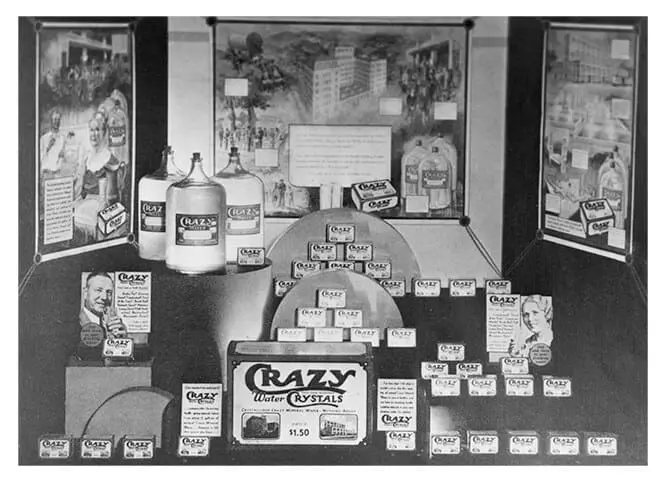
In 1919 the Crazy Water Company built a plant on Northwest 7th Street. Workers boiled mineral water down to crystals that could be shipped anywhere, then brought back with a glass of water at home. The crystals sold across the country after radio ads in the 1920s and 1930s. Inside the plant, vats steamed in stages. Crews watched the boil, dried the residue, and packed it for shipment.
When the label changed, the work did not
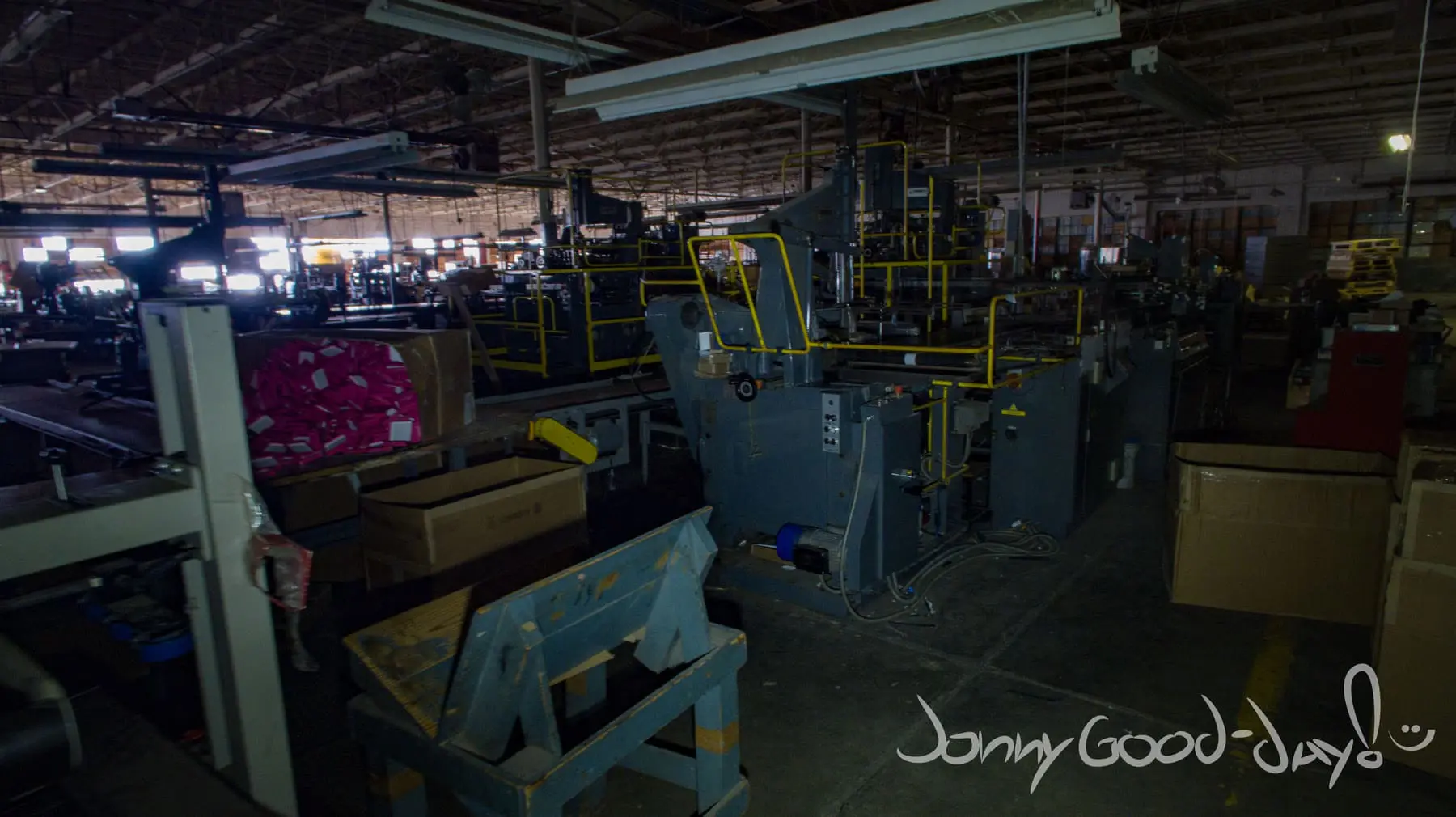
Federal scrutiny late in the 1930s forced the crystal business to slow down. The factory did not go dark. It pivoted to boxes. In 1940 a manager named Breidling bought the machinery to keep making paper boxes. After World War II the plant changed hands to the Pollock Paper and Box Company. Later it ran under St. Regis Packaging. Through each change the building kept a steady rhythm of cutting, folding, and shipping.
A brick giant with a rail spine
Photos from the time show a simple brick complex with a water tower and a rail spur along the west edge. The massing is plain. Thick brick walls carry the load. Broad steel-sash windows pour light across the floors. Tall rooms leave space for belts and cutters. Truck docks sit under deep eaves. It is early industrial architecture, built to meet trains and move goods.
Rebrands, expansions, and a city that kept showing up
As Mineral Wells shifted from a health resort to a working town, the factory footprint grew. Historic district research says the complex was rebranded as the Crazy Paper Box Company. The plant added about 220,000 square feet during its peak years. A 1967 aerial labeled the Mineral Wells Box Factory near the Crazy Hotel, noting it as the former Crazy Water Crystals plant. The building helps explain why the northwest side reads like a map of jobs, not just hotels.
What stands there now
The address at 300 NW 7th still hums. On one side a rigid box maker runs modern paper lines with warehouse space. The famous seasonal Christmas Store returns each year. That tradition began in 1977 when the factory family started selling paper, ribbon, and boxes to neighbors who walked in the front door. In recent years the broader site also reconnected to its roots as Crazy Water bottling resumed in town. Boxes and bottles again share a fence line.
How to read the building as a visitor
Stand near the corner and look for clues. Brick pilasters break up the wall bays and show where the weight lands. Rows of steel-sash windows hint at daylight work before fluorescent lights took over. Look at the dock heights. Old docks match a railcar. Newer docks match a trailer. The worn concrete at the thresholds tells you how many pallets scraped past.
The names behind the name
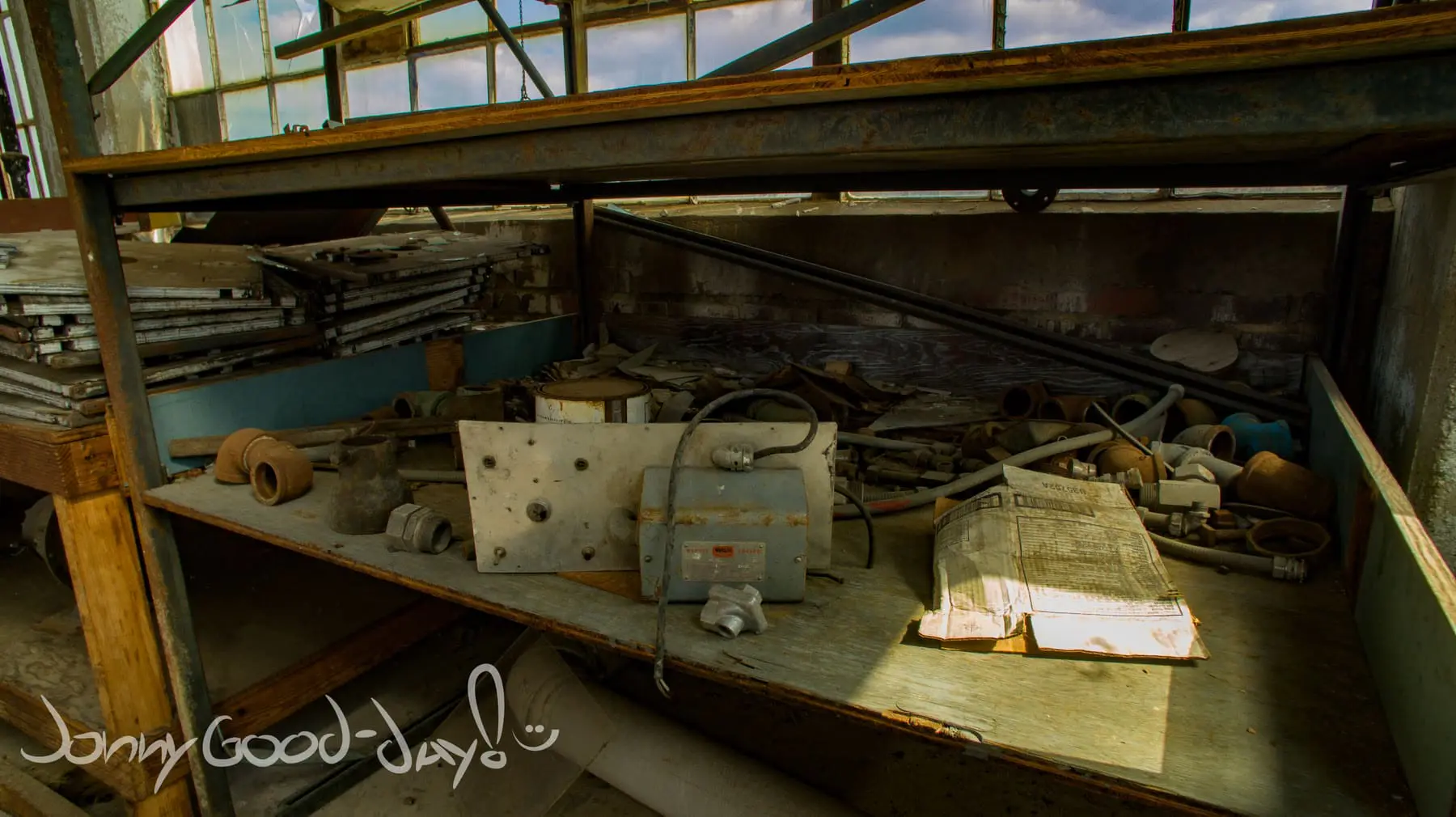
The box factory is shorthand for a long chain. Crazy Water Crystals built the first 1919 plant here to process and package its product. After the FDA actions, the box line became the main show. Pollock Paper and Box took stewardship after the war. St. Regis Packaging followed, tying Mineral Wells to a national web of paper goods. Many residents know someone who worked a shift here, tied string, or ran a cutter.
What we know and what the records do not say
The year of the first plant is clear. The architect is not named in public records for the complex, including the Mineral Wells Central Historic District file and local image notes. That gap is common for industrial sites of this era. The style is easier to read from the photos. It is early 20th-century industrial work: load-bearing brick, steel sash, long low wings, and a plan that favors production over flourish.
Why this factory still matters
Mineral Wells is known for hotels with chandeliers. This place is the counterweight. The hotel lured visitors. The factory kept families here. It paid wages, trained hands, and turned national trends into local jobs. The fact that boxes and bottles still move on this block is not nostalgia. It is continuity. A city is healthiest when its landmarks include the places that sweat.
Built, Architect, Style
- Built: Initial crystal plant constructed in 1919 at Northwest 7th Street. Production shifted to box making in the late 1930s and grew after the war, including a large expansion under the Crazy Paper Box Company.
- Architect: Not documented in accessible public sources for the complex; no named architect appears in standard local or state inventories reviewed for this article.
- Architecture: Early 20th-century industrial utilitarian brick with rail-oriented loading, steel-sash windows, and water-tower infrastructure.
For a historic photograph and archival notes, see the Crazy Paper Box Company record at the Portal to Texas History.
Continue exploring Jonny Goodday’s Texas stories and historic places.
Closing picture
Step back toward the tracks at dusk. The brick glows. A forklift beeps. A pallet rattles over the dock edge. The work changed names. The building kept its promise.
Blueprints in the Dust | written by Jonny Goodday | created with Suno
Continue exploring
More stories from the field
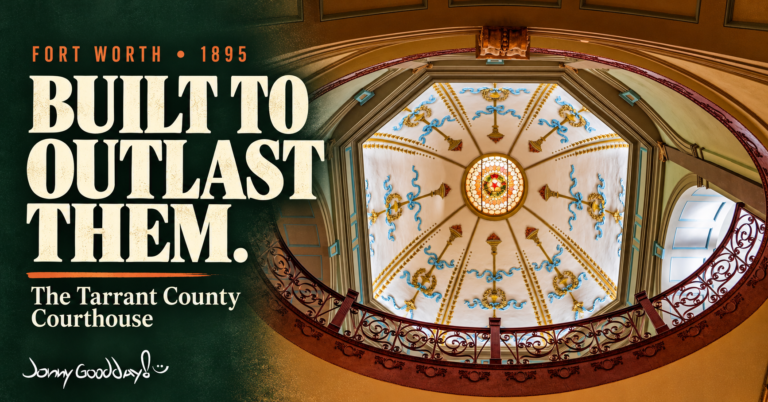
Fort Worth’s Courthouse Outlasted the Officials Who Built It
Fort Worth’s 1895 courthouse came in under budget—and still cost the county judge and commissioners their jobs. Explore the landmark’s history, restoration…
Read the story →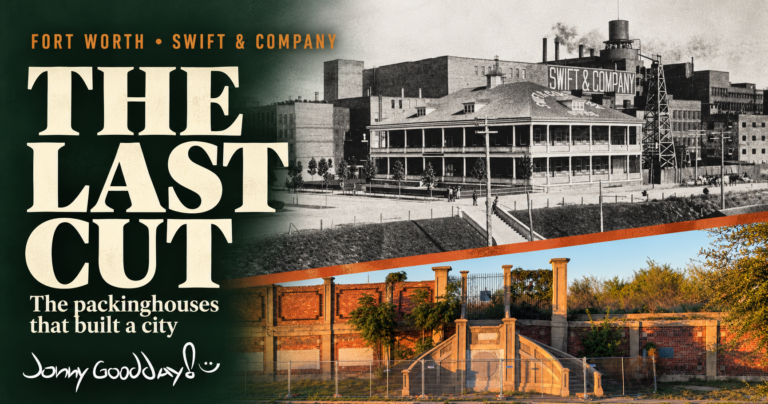
The Last Cut: How Swift & Company Made Fort Worth a Packinghouse City
Swift & Company helped build Fort Worth. Explore the workers, packinghouses, and surviving fragments behind the Stockyards story.
Read the story →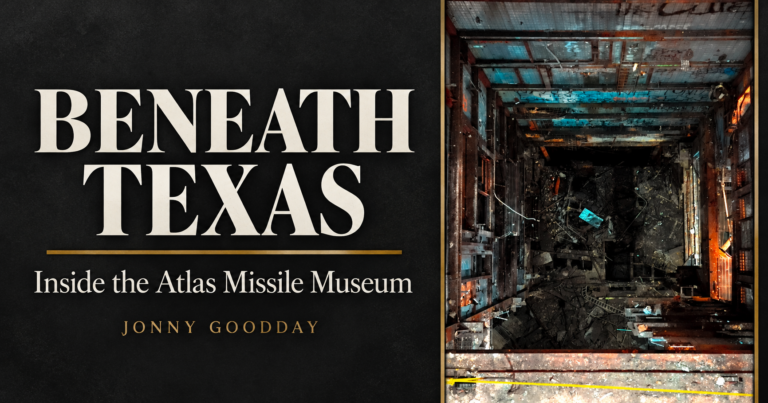
Inside the Atlas Missile Museum of Texas at Oplin
Go inside Oplin’s Atlas Missile Museum with Jonny Goodday and Bruce Townsley, where Cold War history and a remarkable community restoration meet.
Read the story →Stay close to the road
Follow the next story.
Occasional article updates, photographs, and films from the field.
Help document the places worth remembering. Support the work →
No Responses