

Fort Worth Stories
When the Crowd Is Gone: What Fort Worth Lost at LaGrave Field
A ballpark is built around attention.
In this story
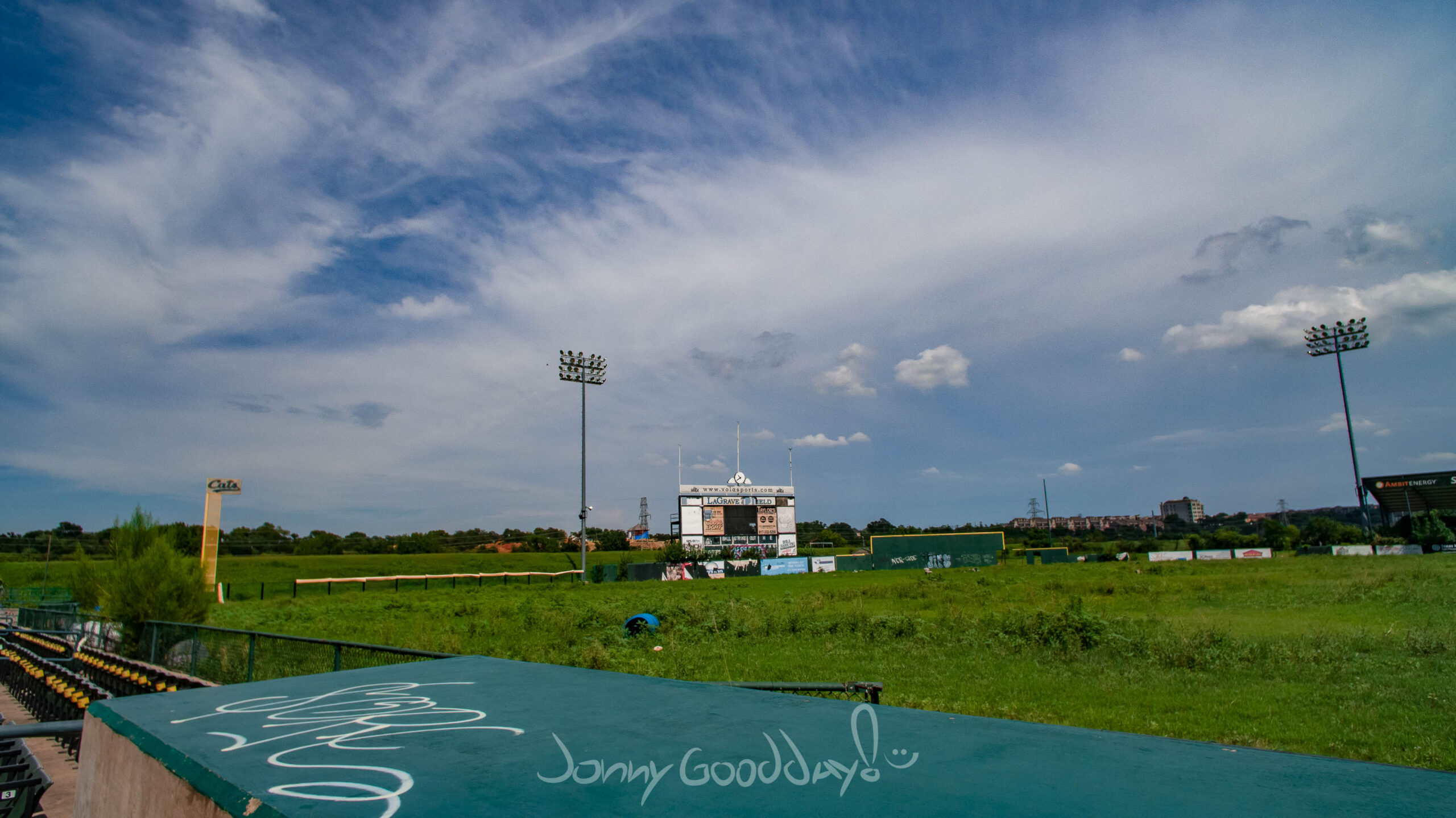
Seats face the field, lights gather above it, and a scoreboard waits to give the next moment a number. In my photographs of LaGrave Field after baseball had stopped, that arrangement was still there. The crowd was missing. So was the work that made the place feel ordinary when it was alive.
Photographs from before demolition
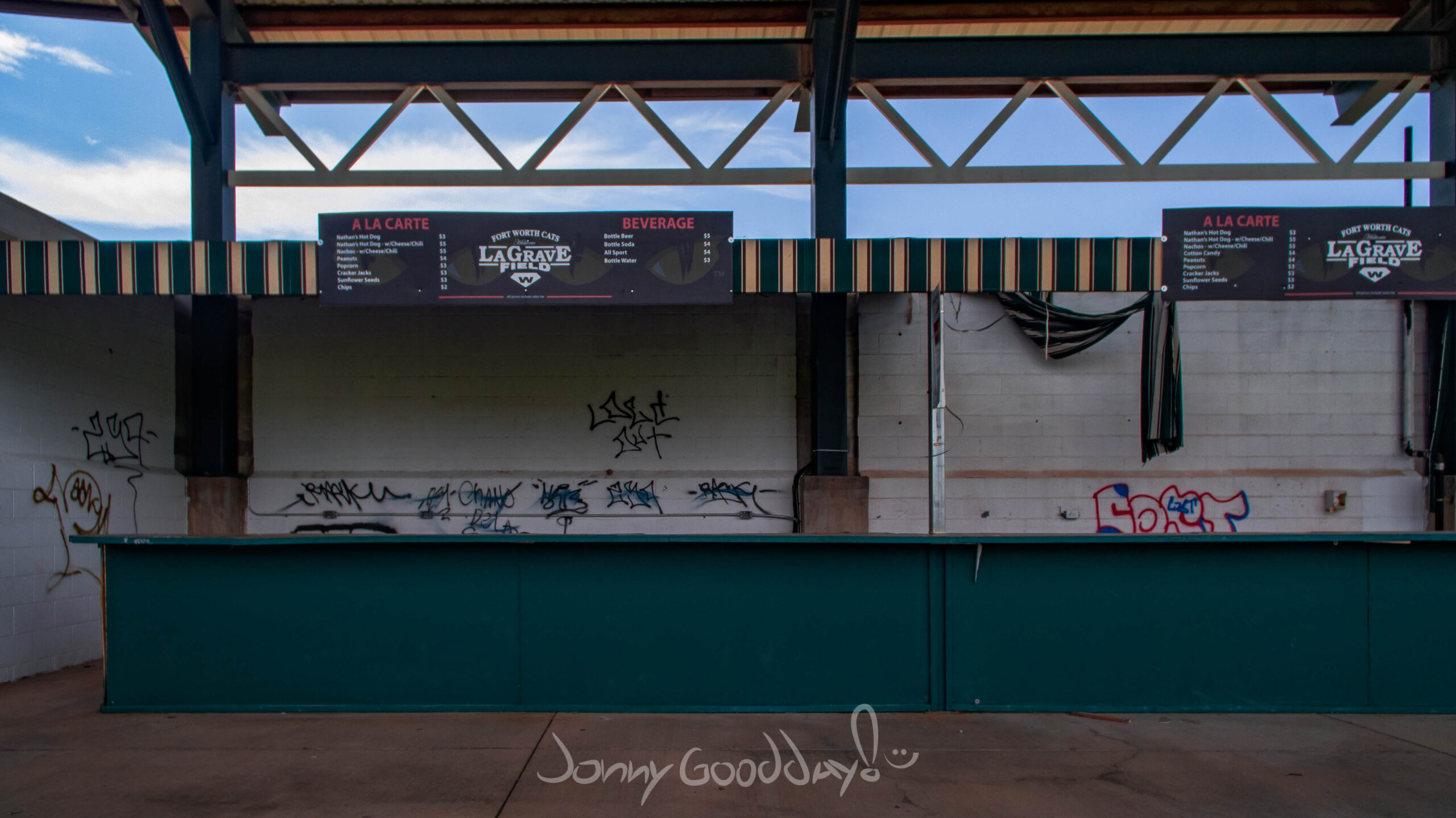
The images in this article come from my archive of the abandoned ballpark. They show the lights, field, concession areas, and traces of the Fort Worth Cats identity before demolition began. That timing matters. These photographs are not a guide to a surviving stadium that readers can visit today. They document a place at an earlier stage in its story. The overgrowth and weathering tell us something about that period of vacancy, while the remaining signs and fixtures recall the routine of a game day.
A name connected to Fort Worth baseball
LaGrave Field carried the name of a much longer baseball tradition than the final period of the stadium alone. The Cats and their home ground held a place in the city’s sporting memory across different eras. It is important to distinguish that larger history from the age of every structure visible in a modern photograph. Later stands and facilities occupied a site already associated with earlier teams and games. A place can carry a long memory even when its physical form has changed.
The decision to remove the stadium
The Tarrant Regional Water District board voted in June 2024 to demolish the deteriorated stadium after considering its future. Reporting at the time described safety concerns and questions about whether a sports use could be sustained. By February 2025, demolition work was underway. Historic Fort Worth shared reporting describing the initial removal of restrooms and portions of the facility before the main stands. Those dates place the archival images in context and move the story beyond the earlier hope that the ballpark might simply reopen.
What remains in an ordinary detail
The most useful photograph is not always the widest view. A concession sign tells you something about the pace of an evening. A team logo on a barrier connects the empty concourse to the people who once passed through it. A bank of lights makes sense only when you imagine the field being used after sunset. None of those details can substitute for keeping a place in operation. They can, however, keep its history from becoming only a demolition date.
A city remembers through people
Former spectators and players will remember a different LaGrave from the one in these photographs. Their memories supply the sound and activity an abandoned scene cannot contain. The photographs offer a common place from which to begin that conversation. Fort Worth’s changing public places deserve that attention, whether the subject is a ballpark or the old convention center arena. Recording them means being clear about what survives, what has changed, and what belongs to a particular moment in the city’s past.
Watch the film, then add your memory
My film preserves a visit to LaGrave before the final removal of the stadium. Watch it as a record of that time, and think about what is missing from the camera’s view. If you attended a Cats game, worked at the field, or knew it in another period, your memory belongs alongside these images. A sports venue’s history is made by the people who gave its repeated routines meaning.
Watch the film
Watch the full film on Facebook.
Sources and further reading
Original Jonny Goodday film and archival LaGrave Field photographs, recorded before demolition.
- Tarrant Regional Water District: October 2024 board presentation, LaGrave demolition
- Historic Fort Worth: LaGrave Field demolition report, February 2025
- Fort Worth Star-Telegram: June 18, 2024 demolition decision
- Related: Fort Worth’s convention center arena
Continue exploring
More stories from the field
Fort Worth’s Courthouse Outlasted the Officials Who Built It
Fort Worth’s 1895 courthouse came in under budget—and still cost the county judge and commissioners their jobs. Explore the landmark’s history, restoration…
Read the story →
The Last Cut: How Swift & Company Made Fort Worth a Packinghouse City
Swift & Company helped build Fort Worth. Explore the workers, packinghouses, and surviving fragments behind the Stockyards story.
Read the story →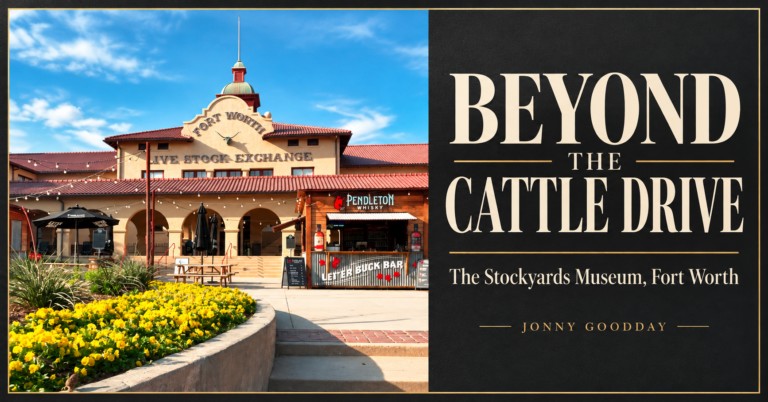
Inside Fort Worth’s Stockyards Museum with Teresa Burleson
Join Jonny Goodday and museum director Teresa Burleson for the photographs, people and working history behind Fort Worth’s Stockyards Museum.
Read the story →Stay close to the road
Follow the next story.
Occasional article updates, photographs, and films from the field.
Help document the places worth remembering. Support the work →
No Responses