

Fort Worth Stories
How Kincaid’s Became a Fort Worth Hamburger Legend
Kincaid’s Hamburgers began as a neighborhood grocery store with a butcher counter.
In this story
Jonathan Gentry explains how leftover cuts, family labor, and generations of loyal customers shaped a Fort Worth place that still feels unmistakably itself.
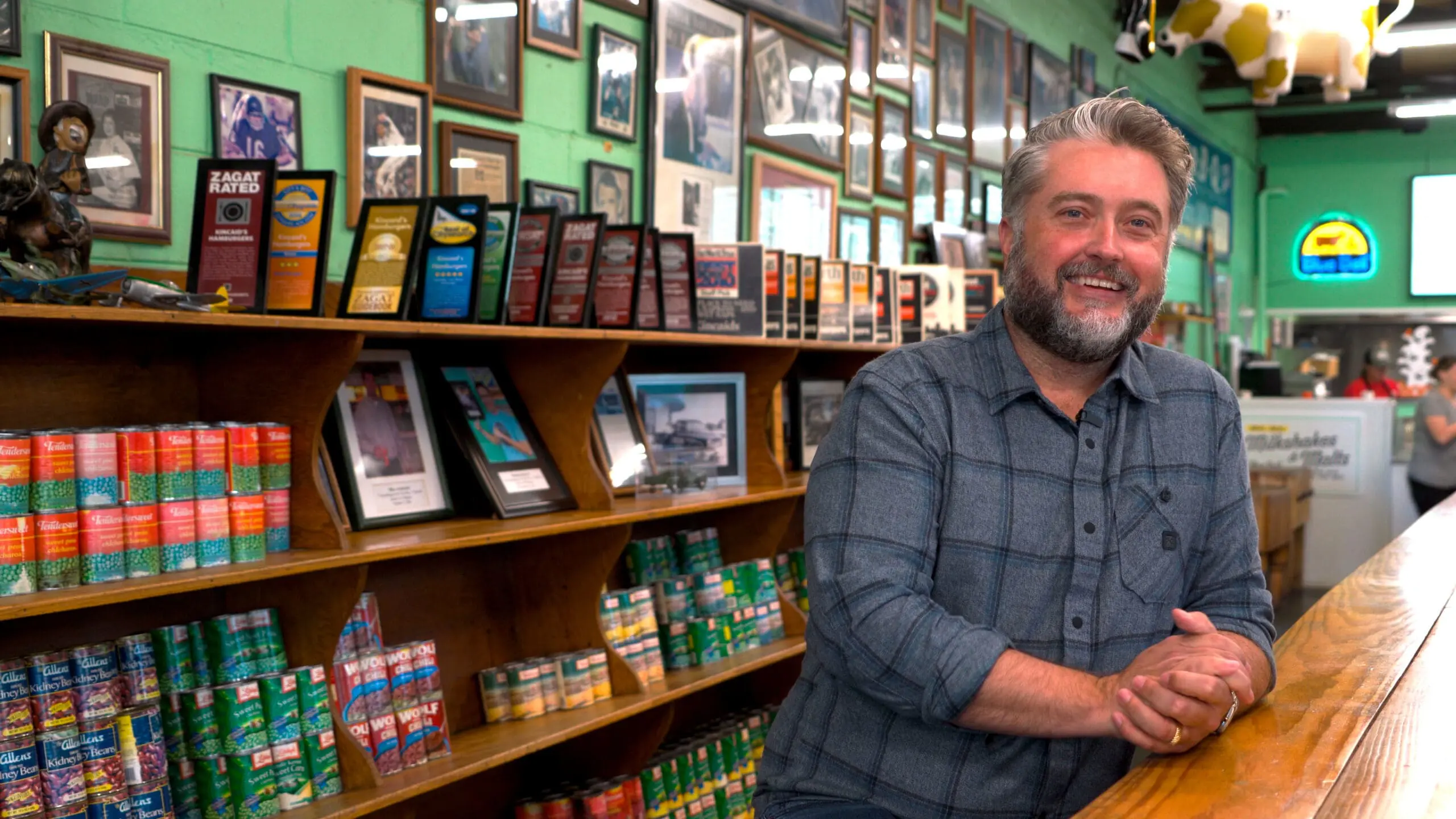
Jonathan Gentry is a third generation owner of Kincaid’s with his brother Christian and their mother Lynn. His family has been connected to the business since the years immediately after the Second World War.
“It is a full family affair and has been since 1967.”
Jonathan Gentry
How Kincaid’s Hamburgers grew from a butcher counter
Kincaid’s opened as a grocery store in 1946 under Charles Kincaid. Gentry’s grandfather returned from military service in 1947 and became the store’s butcher and manager. About twenty years later, he purchased the business.
The hamburger story began with practical thrift. The butcher counter produced quality trimmings after custom steaks were cut. Rather than waste that meat, the family ground it and began serving a small number of hamburgers each day.
“We first went from about ten to twenty hamburgers a day into what we are today.”
Jonathan Gentry
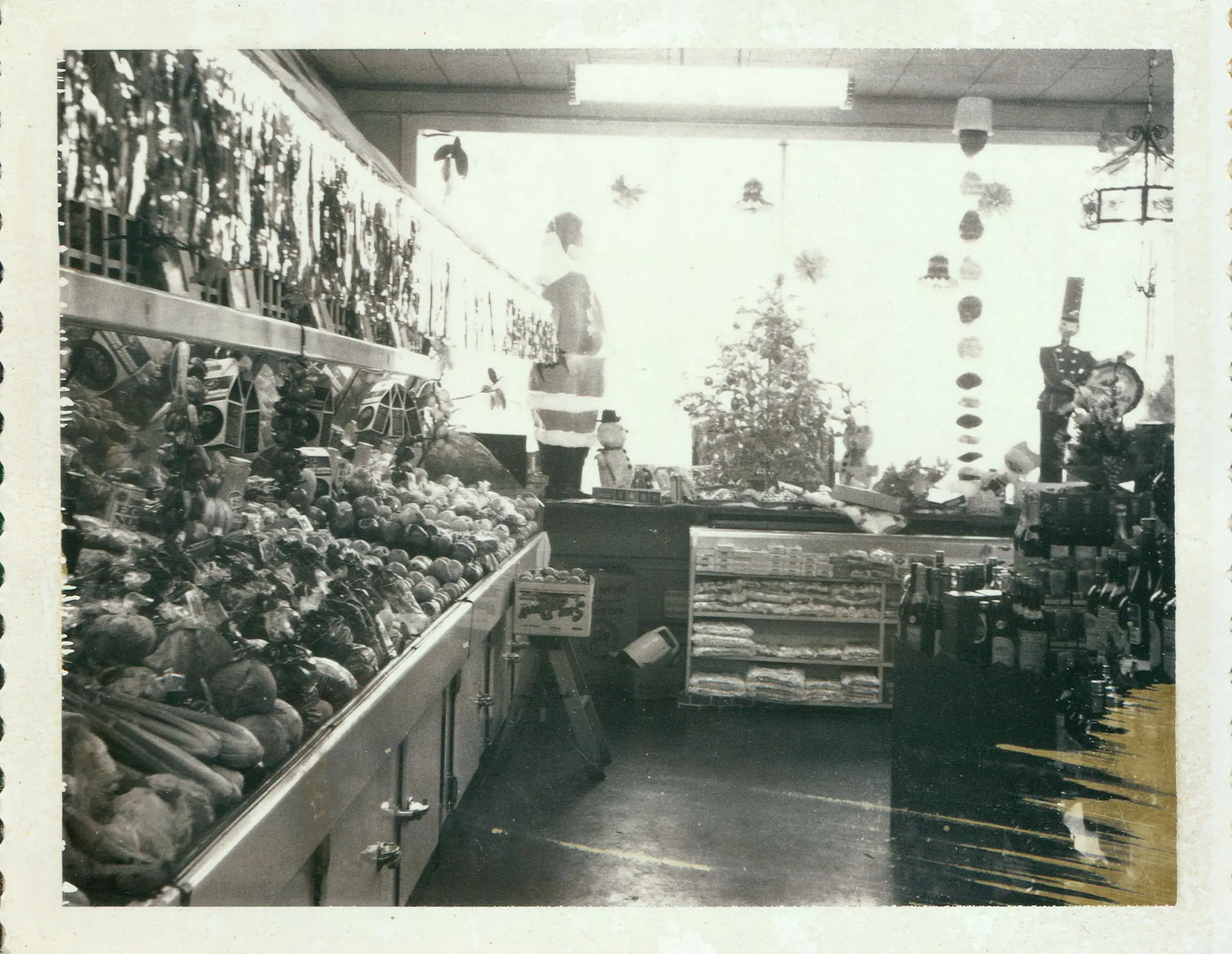
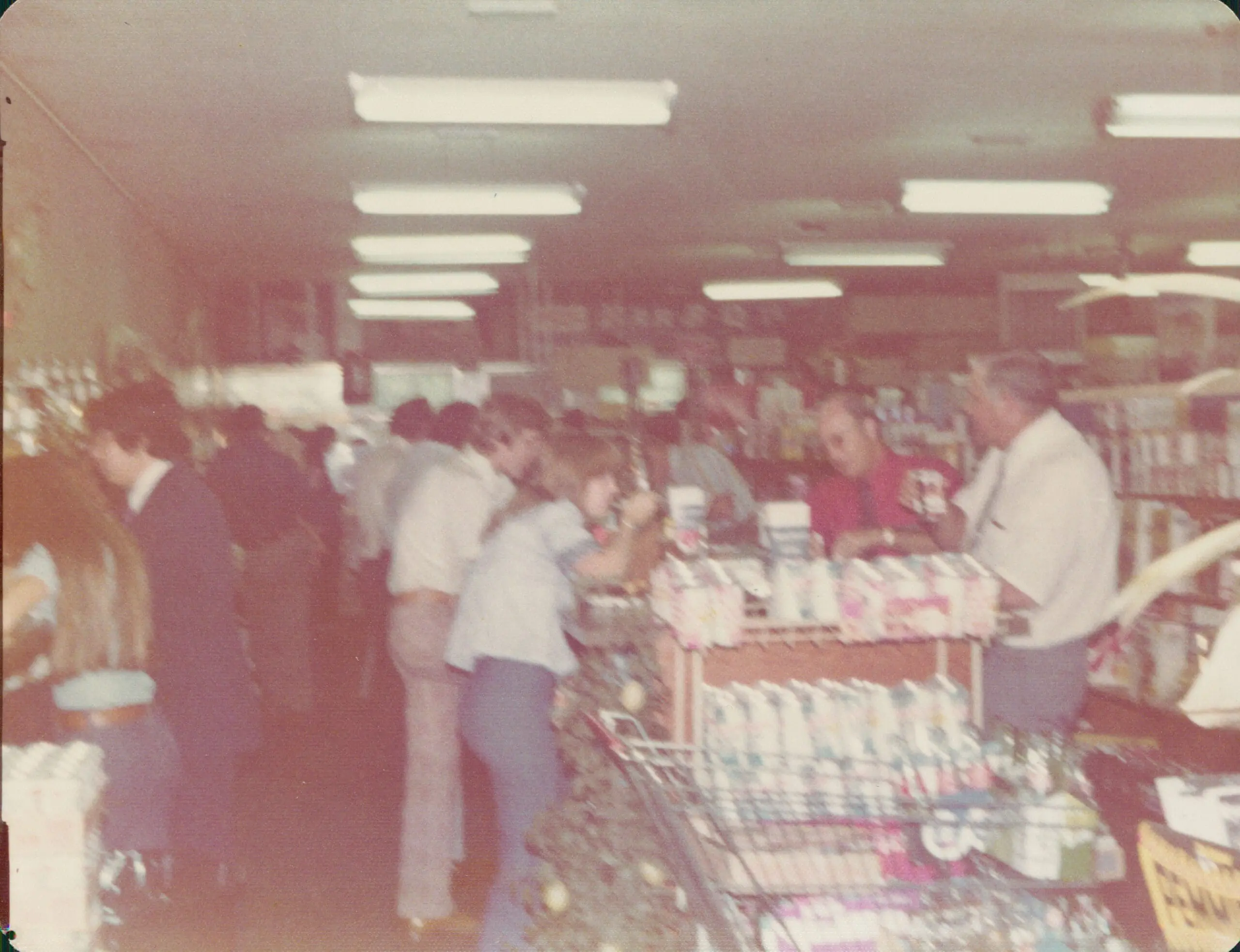
The grocery side remained important for years. Kincaid’s carried specialty items and, according to Gentry, was among the first Fort Worth grocers to offer fresh shrimp. Yet larger retailers changed the neighborhood grocery business. By 1991, hamburgers made up nearly all sales, and the family stopped selling groceries.
A room that remembers what it was
The original Camp Bowie interior is not a staged recreation. Its shelves, counters, signs, paint, and old advertising pieces survived because the family continued using the space instead of stripping away its past.
Customers once ate hamburgers while standing at the grocery counters. After the grocery business closed, checkout areas were removed and tables were built. The first tables were made in the family garage with help from parents, grandparents, children, and neighborhood friends.
Even the green paint carries memory. When a lower ceiling was removed, the family discovered the original color above it and carefully matched what they call Kincaid green. Promotional figures still hang overhead, echoing the displays sales representatives once brought into the grocery store.
A recipe built around doing a few things well
Kincaid’s became famous without building an enormous menu. Gentry describes the approach as doing a few things with care. The meat is ground, patties are formed, and vegetables are cut fresh.
“Every step of the way, we try to use the best quality ingredients that we can.”
Jonathan Gentry
That work is demanding at the scale the restaurant now serves. Across the locations, the family may prepare thousands of pounds of meat. Gentry calls it a labor of love, a phrase that connects the current operation to the old butcher counter where the hamburger began.
Four generations on both sides of the counter
The family history is only half of the story. Gentry has watched longtime customers introduce children, grandchildren, and great grandchildren to Kincaid’s. The restaurant has become part of family routines beyond the people who own it.
“I’ve seen about four generations walk through these doors.”
Jonathan Gentry
That continuity is what makes the original location feel different from a themed restaurant. The wear is real. The family stories are attached to specific tables. Some customers remember when groceries still filled the shelves. Others know only the hamburgers, but they are eating inside the same long story.
Keeping the character while moving forward
Kincaid’s later expanded beyond the original location. Those restaurants are younger, but some have now served their communities for nearly two decades. The challenge is carrying the standards and family identity into each location without turning the original story into a marketing costume.
Jonathan and Christian now represent the third generation. Their children are the fourth. No one can predict exactly what the business will look like decades from now, but the family’s intention is clear.
“As long as people are willing to have us out here, we’ll do our best to keep it the same and keep moving forward.”
Jonathan Gentry
WATCH THE STORY
Kincaid’s on Film
Step inside the original Camp Bowie location in this film published by Jonny Goodday.
Frequently asked questions
When did Kincaid’s open?
Kincaid’s opened as a grocery store in Fort Worth in 1946.
How did Kincaid’s begin selling hamburgers?
The butcher counter ground quality meat left after custom cutting and began serving a small number of hamburgers each day.
When did Kincaid’s stop selling groceries?
The family ended grocery sales in 1991 after hamburgers had become nearly all of the business.
When was this story recorded?
Jonny Goodday recorded the interview and principal photography in October 2025.
Sources: Interview with Jonathan Gentry recorded by Jonny Goodday in October 2025. Historic photographs provided through the Kincaid’s project archive.
Continue exploring
More stories from the field
Fort Worth’s Courthouse Outlasted the Officials Who Built It
Fort Worth’s 1895 courthouse came in under budget—and still cost the county judge and commissioners their jobs. Explore the landmark’s history, restoration…
Read the story →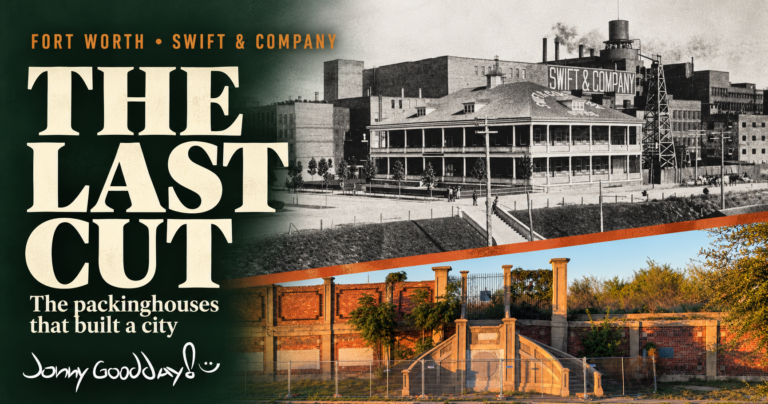
The Last Cut: How Swift & Company Made Fort Worth a Packinghouse City
Swift & Company helped build Fort Worth. Explore the workers, packinghouses, and surviving fragments behind the Stockyards story.
Read the story →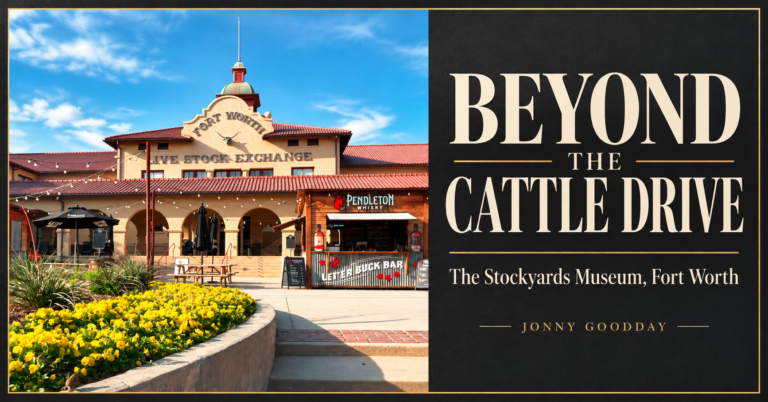
Inside Fort Worth’s Stockyards Museum with Teresa Burleson
Join Jonny Goodday and museum director Teresa Burleson for the photographs, people and working history behind Fort Worth’s Stockyards Museum.
Read the story →Stay close to the road
Follow the next story.
Occasional article updates, photographs, and films from the field.
Help document the places worth remembering. Support the work →
2 Responses
Great Story, JG!
Thank ya!