

Fort Worth Stories
Inside Historic Fort Worth Fire Station No. 2
Fort Worth Fire Station No.
In this story
2 is one of the city’s most distinctive and demanding assignments. Lieutenant Brian Call shares how its historic architecture, downtown territory, and working traditions shape every shift.
Brian Call has spent decades with the Fort Worth Fire Department and has served at Station No. 2 since 2009. The building is memorable to him for another reason. It was the first station where he reported after graduating from the fire academy.
“This was my first experience with the firefighters on duty as I was joining them to go to work on the back of the fire trucks.”
Brian Call
Why this Fort Worth Fire Station is different
The station’s location gives its crew a broad range of responsibilities. Downtown high rises, residential neighborhoods, major events, the cultural district, and vulnerable communities on the east side can all generate calls.
The result is constant variety. Firefighters must be ready to move from one kind of emergency to another with little warning. Call describes the energy of downtown as part of what makes the assignment appealing.
Station No. 2 houses a larger crew than other Fort Worth stations. The number of people and the specialized roles create a busy shared environment even between calls.
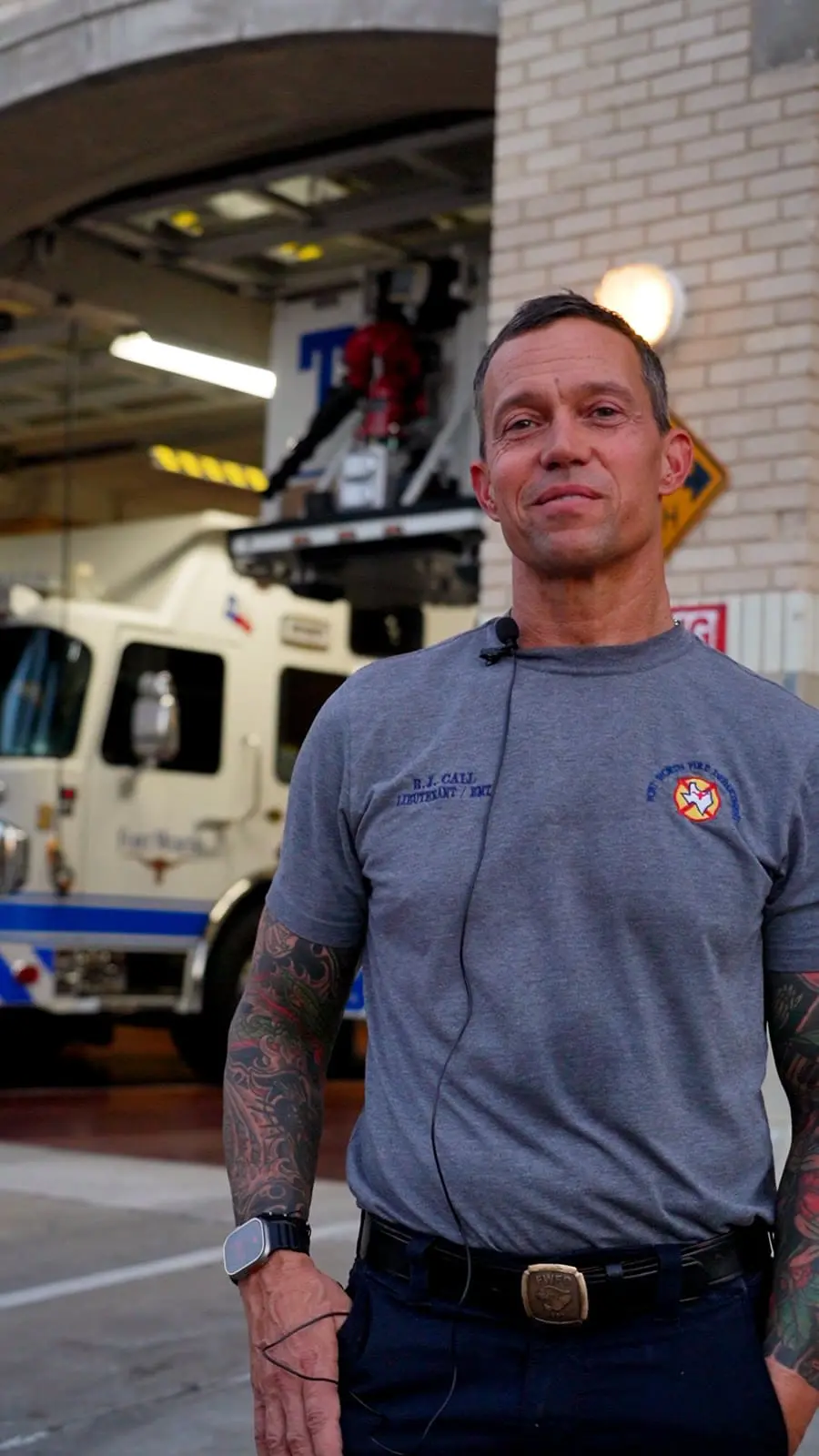
“You get the energy of downtown with all the events that are going on day to day.”
Brian Call
Architecture built for the fire service
The station was built in the 1930s and originally served as a headquarters. Senior department leaders worked there, and the building became a center of the city’s fire operations.
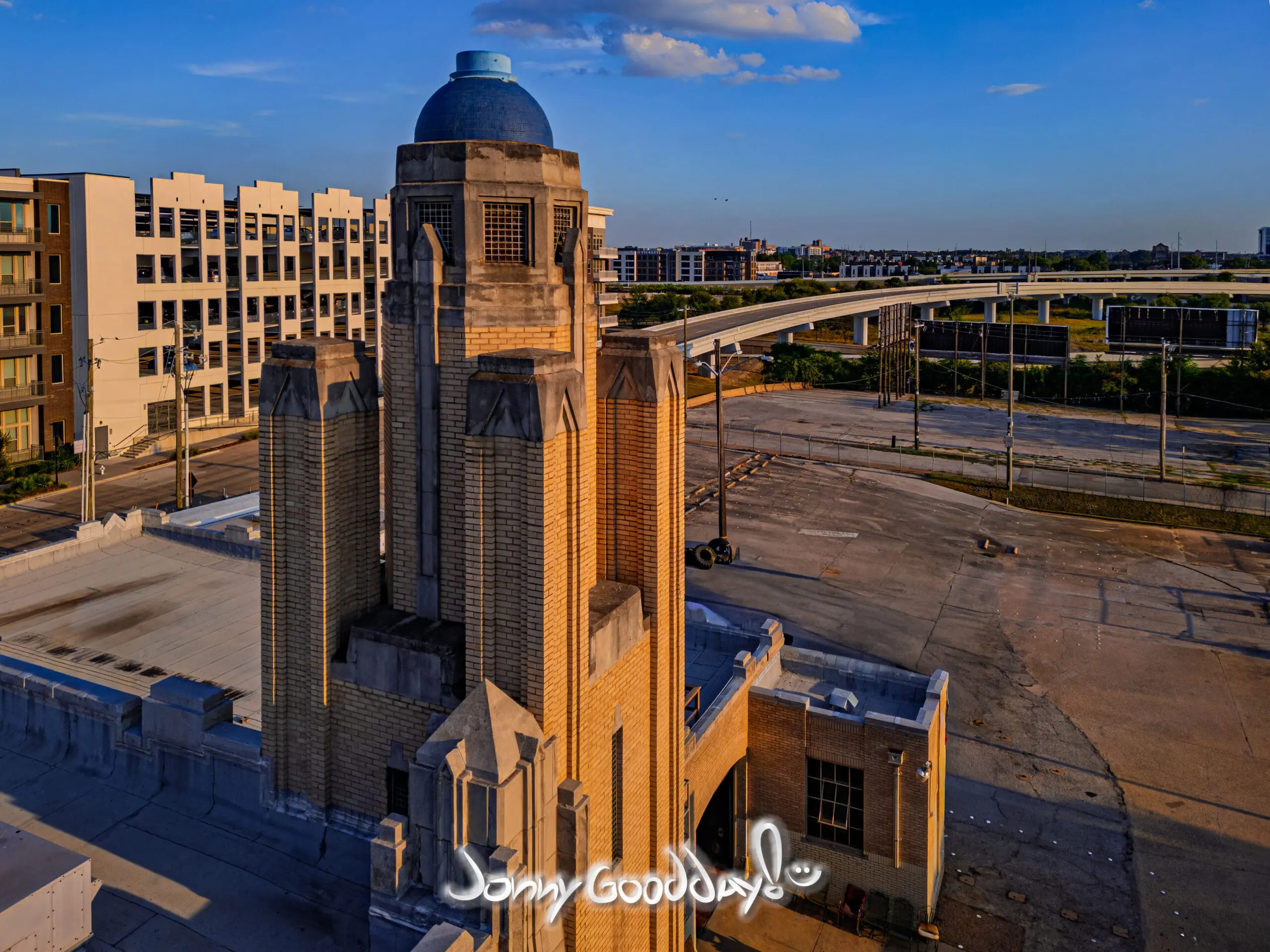
Its tower, masonry, apparatus bays, and interior details reflect an era when public buildings were designed to communicate permanence. The station still retains traditional fire poles, one of the features that visitors remember most.
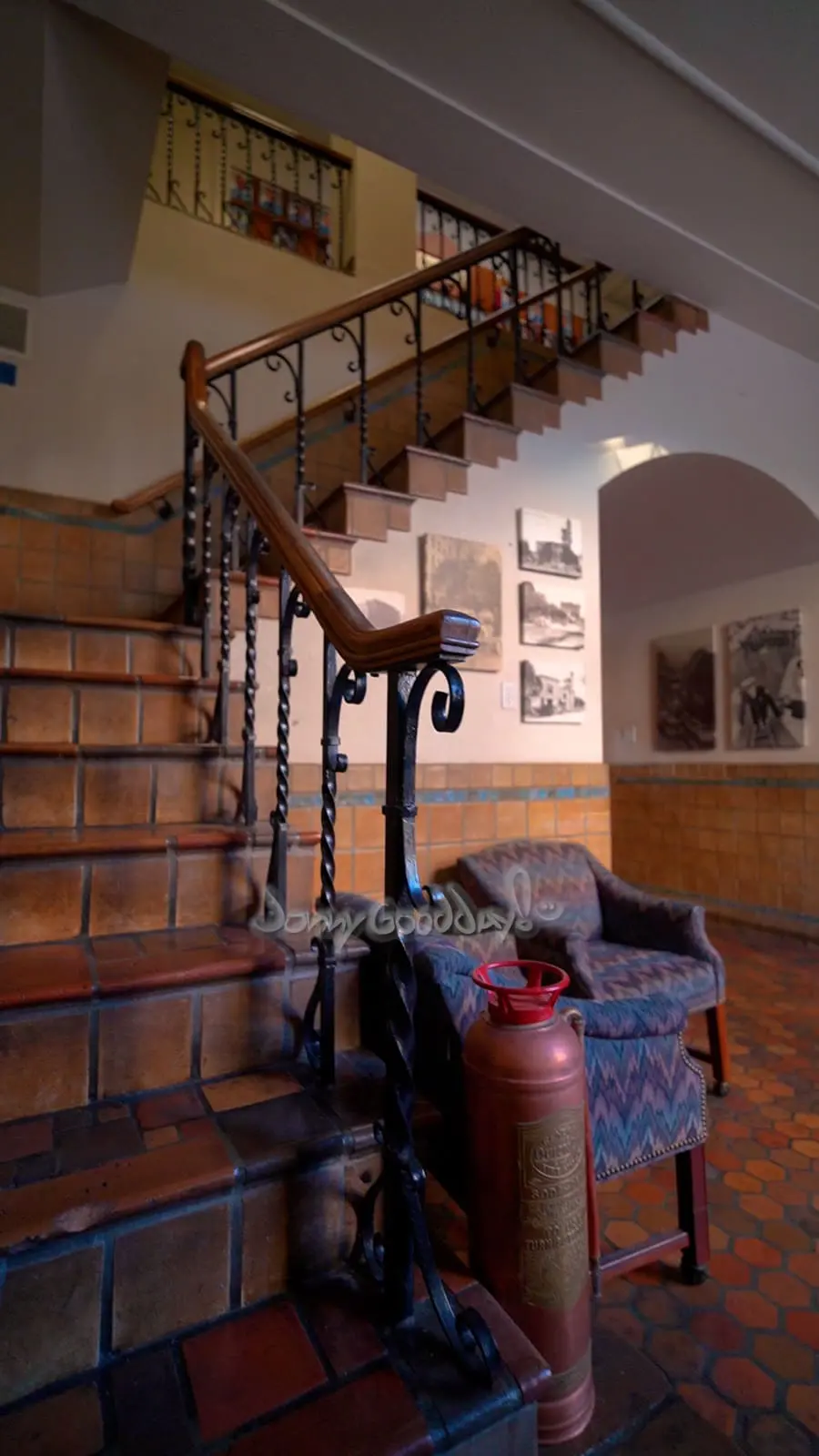
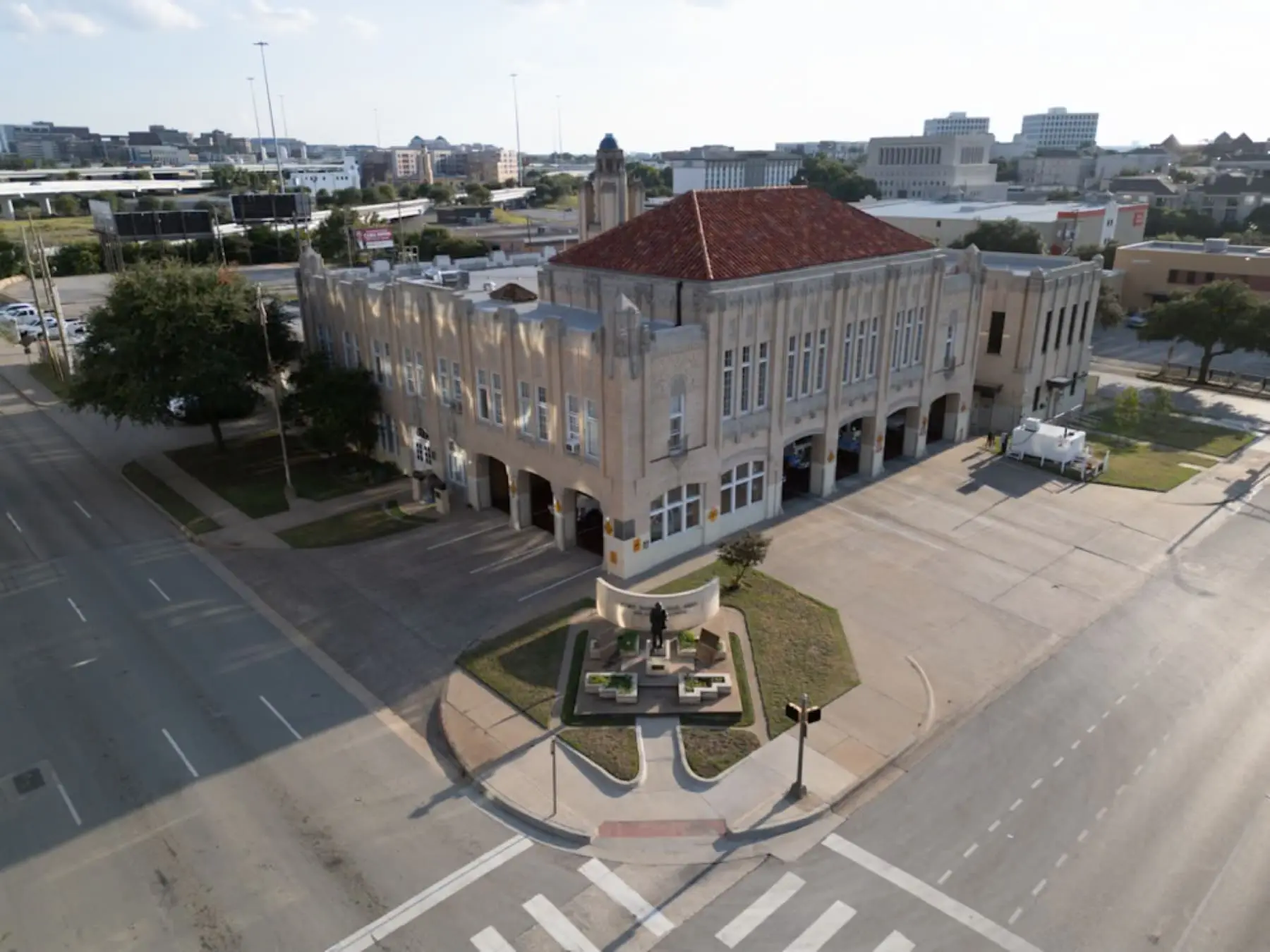
Unlike a preserved building that has lost its original use, Station No. 2 remains active. Firefighters sleep, train, eat, maintain equipment, and respond from rooms shaped by earlier generations of the department. The apparatus bays visible from Lancaster Avenue make that continuity especially clear.
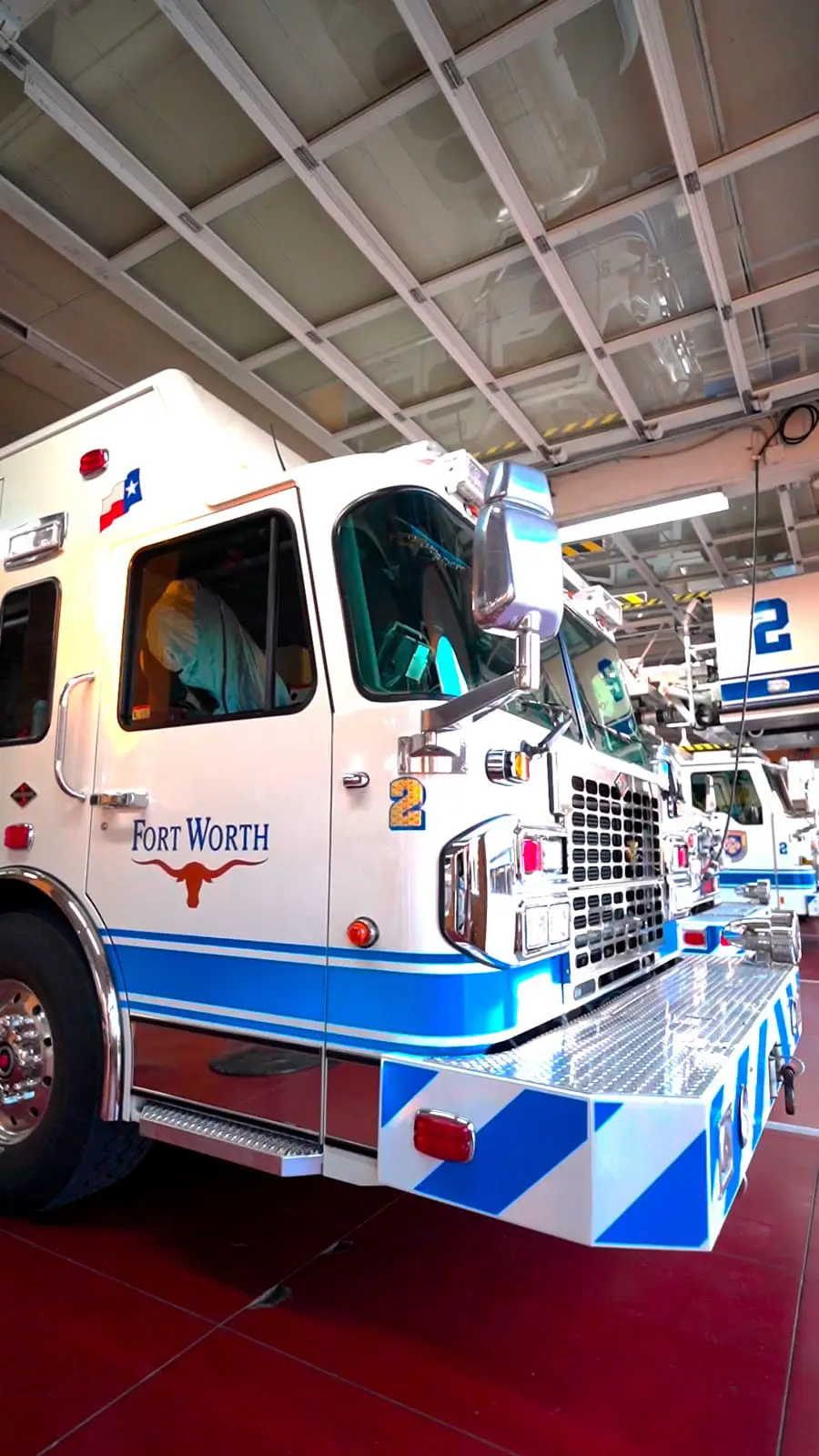
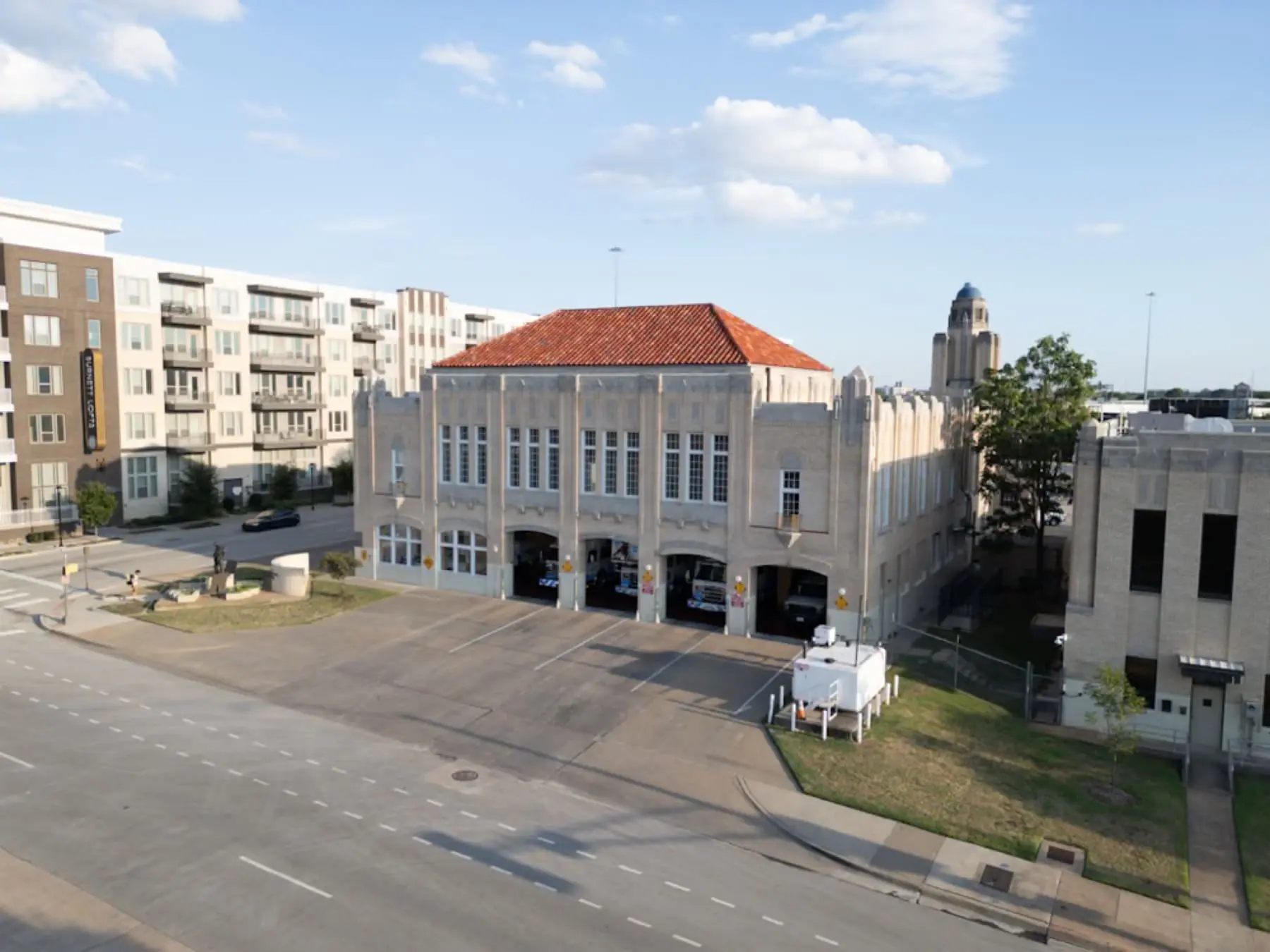
“We’ve still got the poles. We’ve got the tradition that’s built into the structure here.”
Brian Call
Tradition that is still working
A working historic fire station carries a difficult balance. The building must meet the demands of current apparatus, communications, safety practices, and emergency medicine. At the same time, its distinctive architecture carries the memory of the people who served there before.
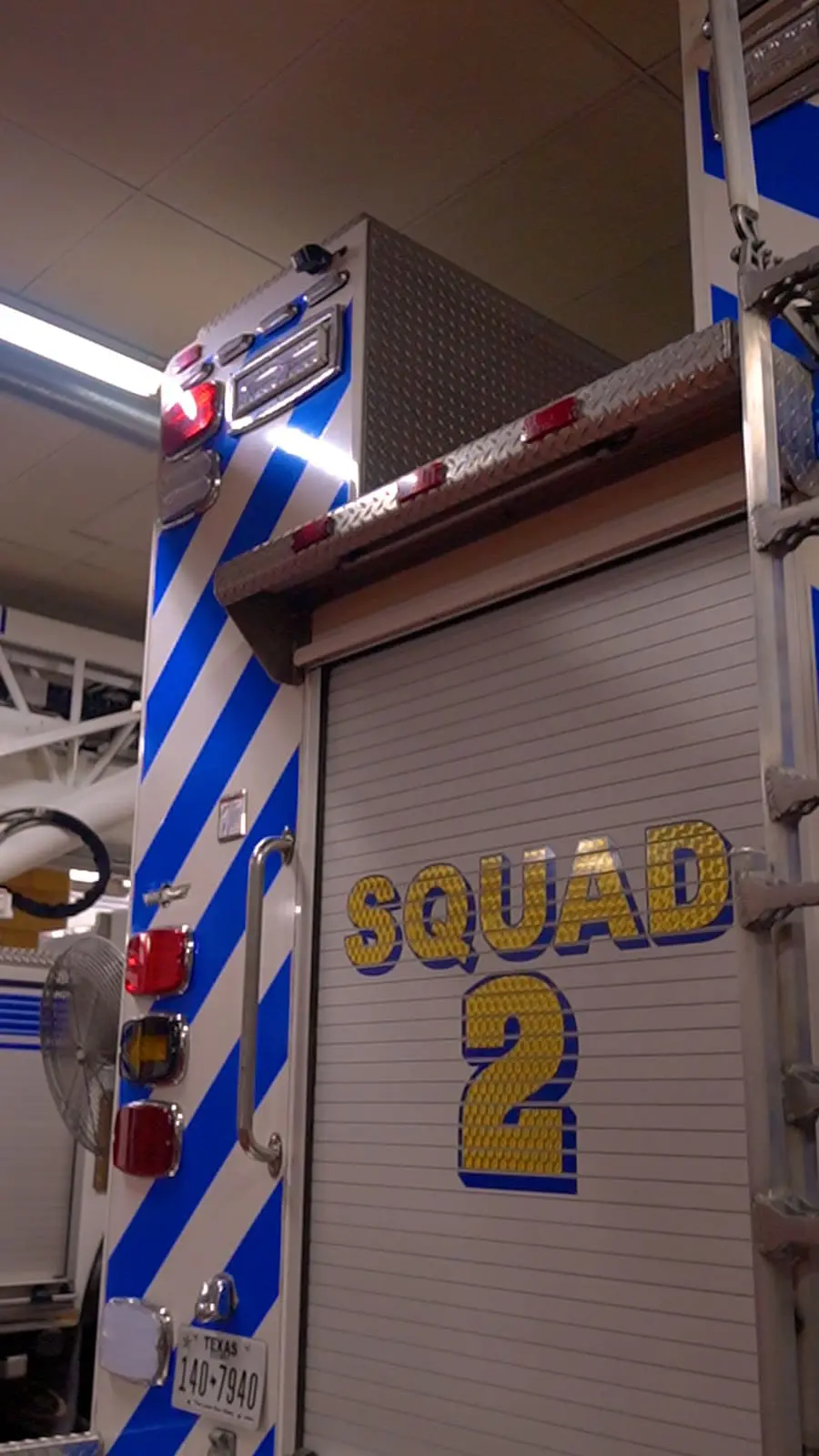
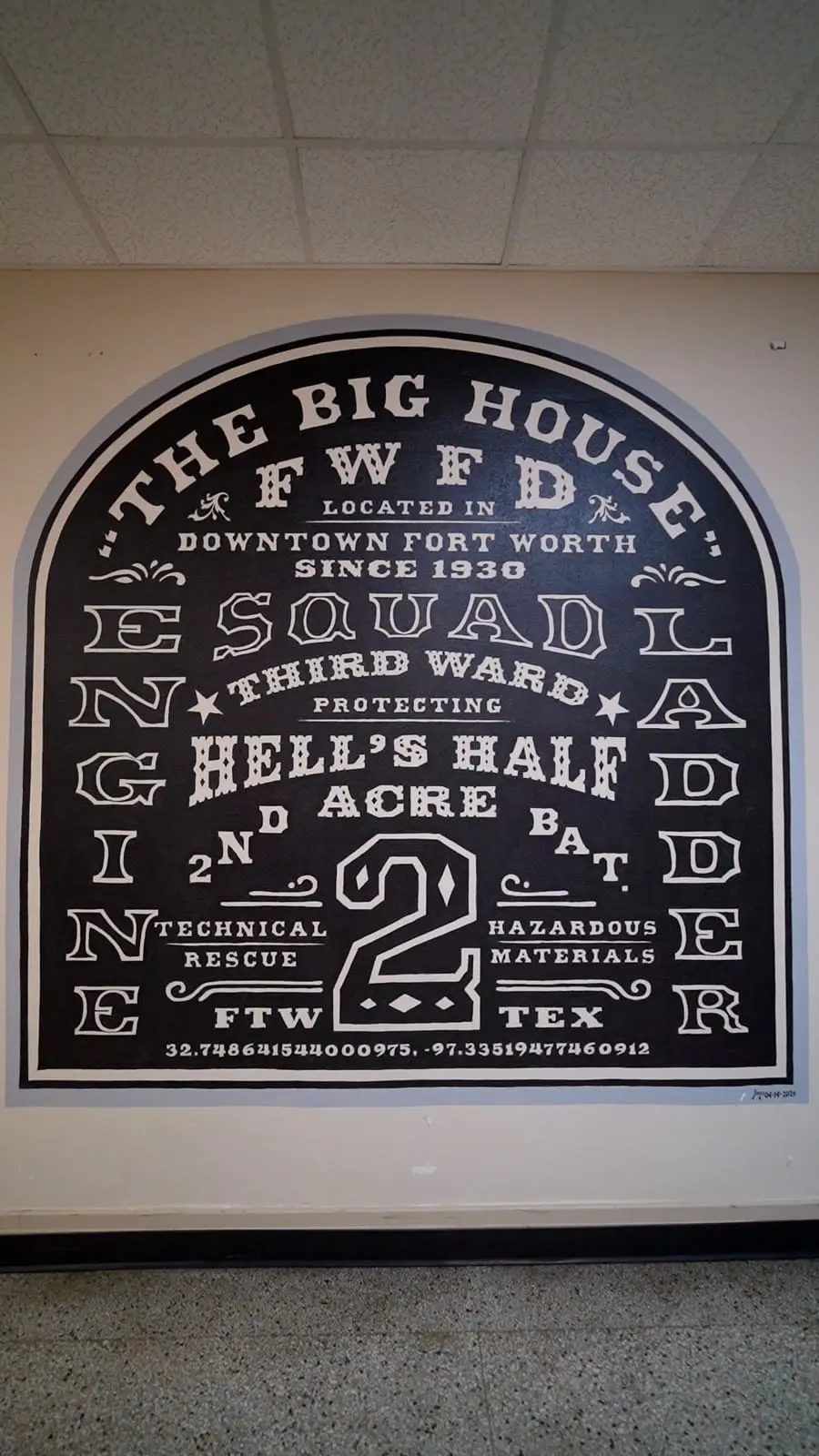
Call values both sides. He speaks about the building’s history, but he also describes the special certifications and experience required of its present crew. The station is not important simply because it is old. It is important because it continues performing demanding work.
A direct way to help people
Call was attracted to firefighting by service. The profession requires physical readiness, clear thinking, and fast decisions. It also places firefighters beside people during the moments when help matters most.
“You get to help people in the most direct way possible.”
Brian Call
That purpose connects every era of Station No. 2. Apparatus and uniforms change. Downtown grows. Medical response becomes a larger part of the work. Yet crews still leave the same building to answer calls from people who need immediate help.
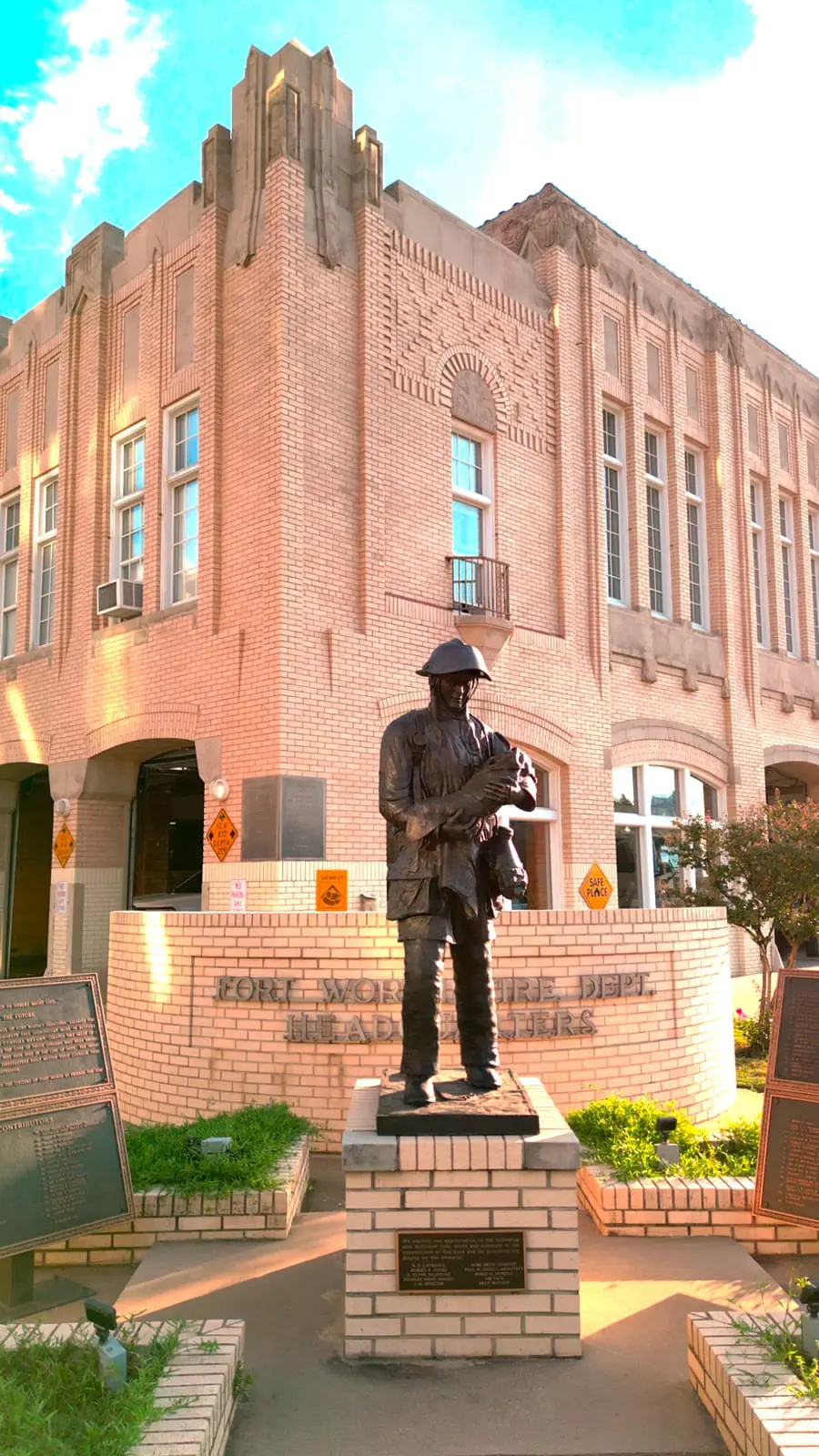
The city seen through one station
Fire stations quietly record urban change. The calls arriving at their doors reveal new construction, shifting traffic, public events, housing pressure, and changing health needs. Station No. 2’s territory makes that record especially broad.
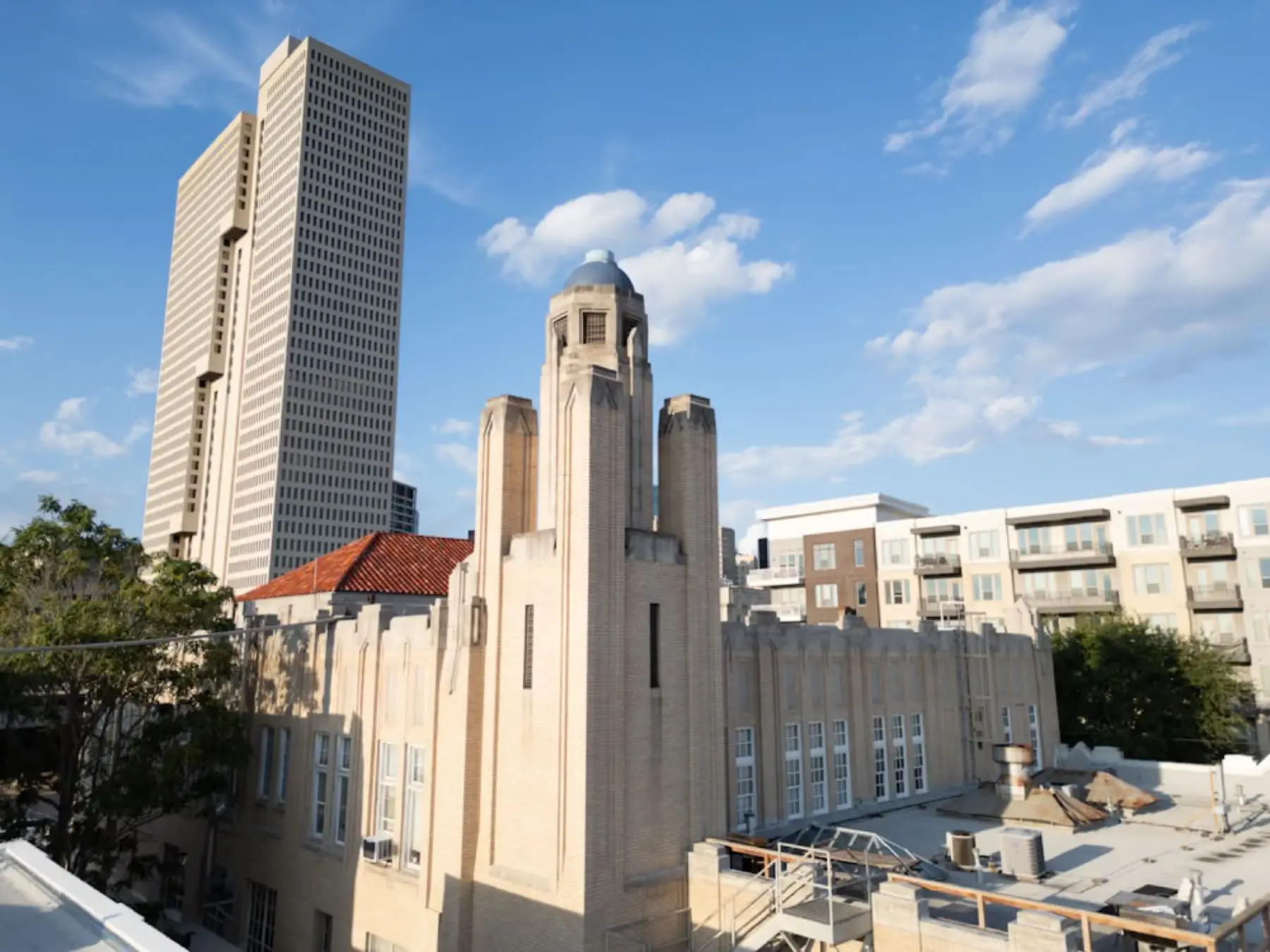
Its crews encounter the vertical city in high rises, the cultural life of major venues, the daily routines of nearby residents, and emergencies among people living without stable shelter. Few civic buildings maintain such a direct relationship with so many parts of Fort Worth. Seen beside the downtown skyline, the station reads as both a landmark and a working part of the modern city.
Why Station No. 2 matters
The building’s tower makes it a visual landmark, but its significance is larger than architecture. Generations of firefighters have passed through its rooms. Department leaders once worked there. New firefighters reported for their first assignments. Experienced crews chose to return and remain for long stretches of their careers.
For Call, the station combines the history, energy, and specialized work that make the fire service meaningful.
“It is a very unique, very neat group of people who come to this station and enjoy it enough to stay here.”
Brian Call
WATCH THE STORY
Inside Fire Station No. 2
Watch the short film, then continue with the full documentary featuring the station, its architecture, and Lieutenant Brian Call.
The Station That Never Sleeps
Watch the short film on Facebook
Fort Worth Fire Station No. 2 A Living Legacy
Frequently asked questions
When was Fort Worth Fire Station No. 2 built?
The historic station was built in the 1930s and originally served as a department headquarters.
Is Station No. 2 still active?
Yes. It remains a working fire station serving downtown and surrounding Fort Worth neighborhoods.
What makes its service area unusual?
The station answers calls involving downtown high rises, residences, major events, the cultural district, and vulnerable communities.
When was this story photographed?
The interview and principal photography were recorded in September 2025.
Sources: Interview with Lieutenant Brian Call recorded by Jonny Goodday in September 2025. Architectural and operational details documented at Fort Worth Fire Station No. 2.
Continue exploring
More stories from the field
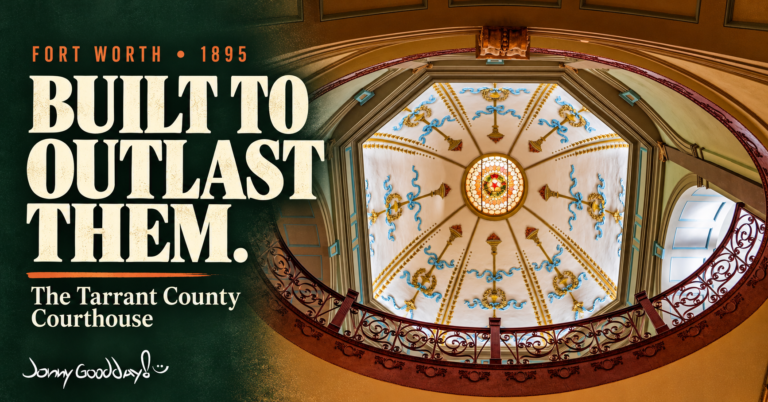
Fort Worth’s Courthouse Outlasted the Officials Who Built It
Fort Worth’s 1895 courthouse came in under budget—and still cost the county judge and commissioners their jobs. Explore the landmark’s history, restoration…
Read the story →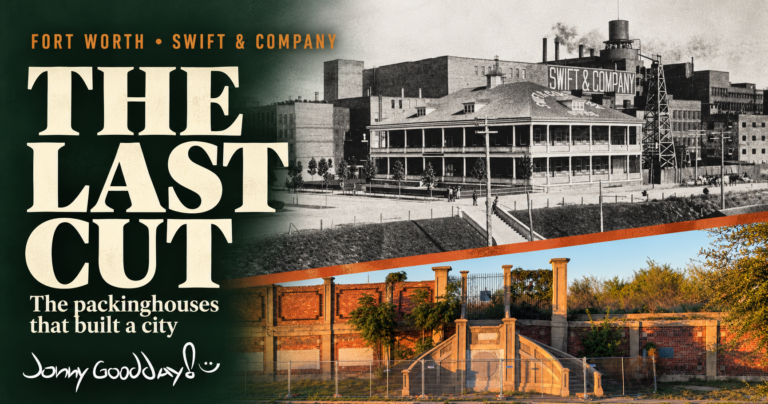
The Last Cut: How Swift & Company Made Fort Worth a Packinghouse City
Swift & Company helped build Fort Worth. Explore the workers, packinghouses, and surviving fragments behind the Stockyards story.
Read the story →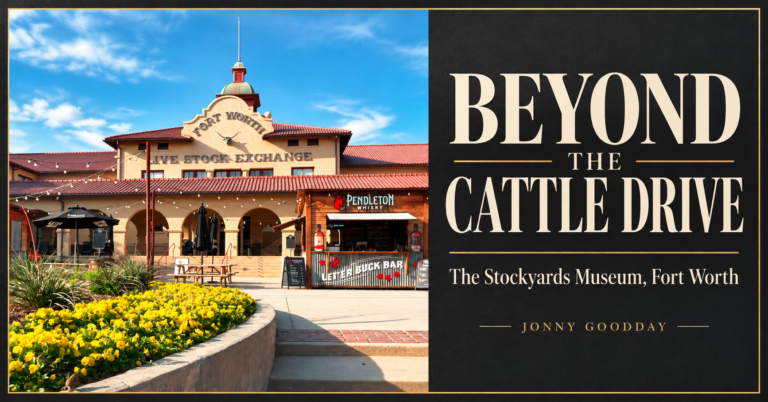
Inside Fort Worth’s Stockyards Museum with Teresa Burleson
Join Jonny Goodday and museum director Teresa Burleson for the photographs, people and working history behind Fort Worth’s Stockyards Museum.
Read the story →Stay close to the road
Follow the next story.
Occasional article updates, photographs, and films from the field.
Help document the places worth remembering. Support the work →
No Responses