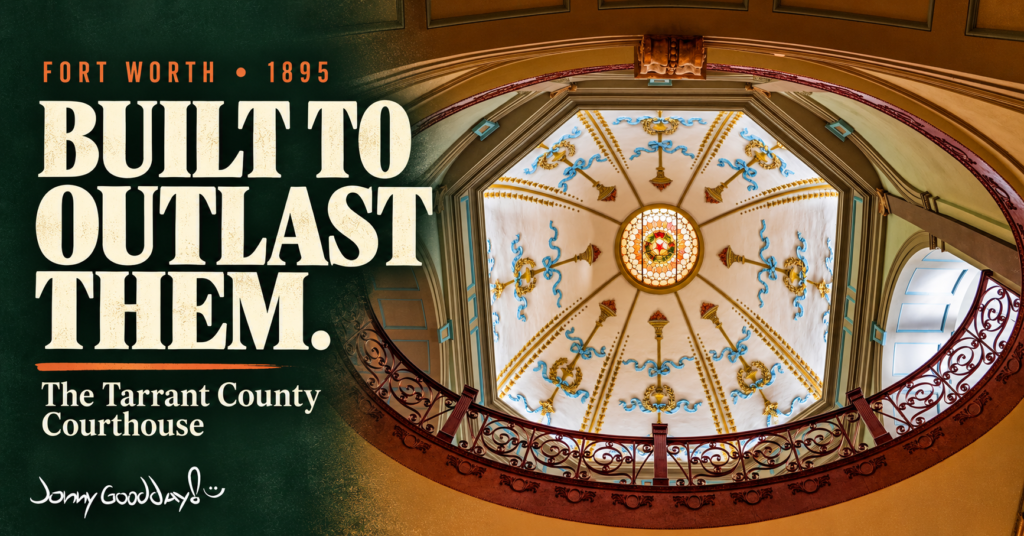
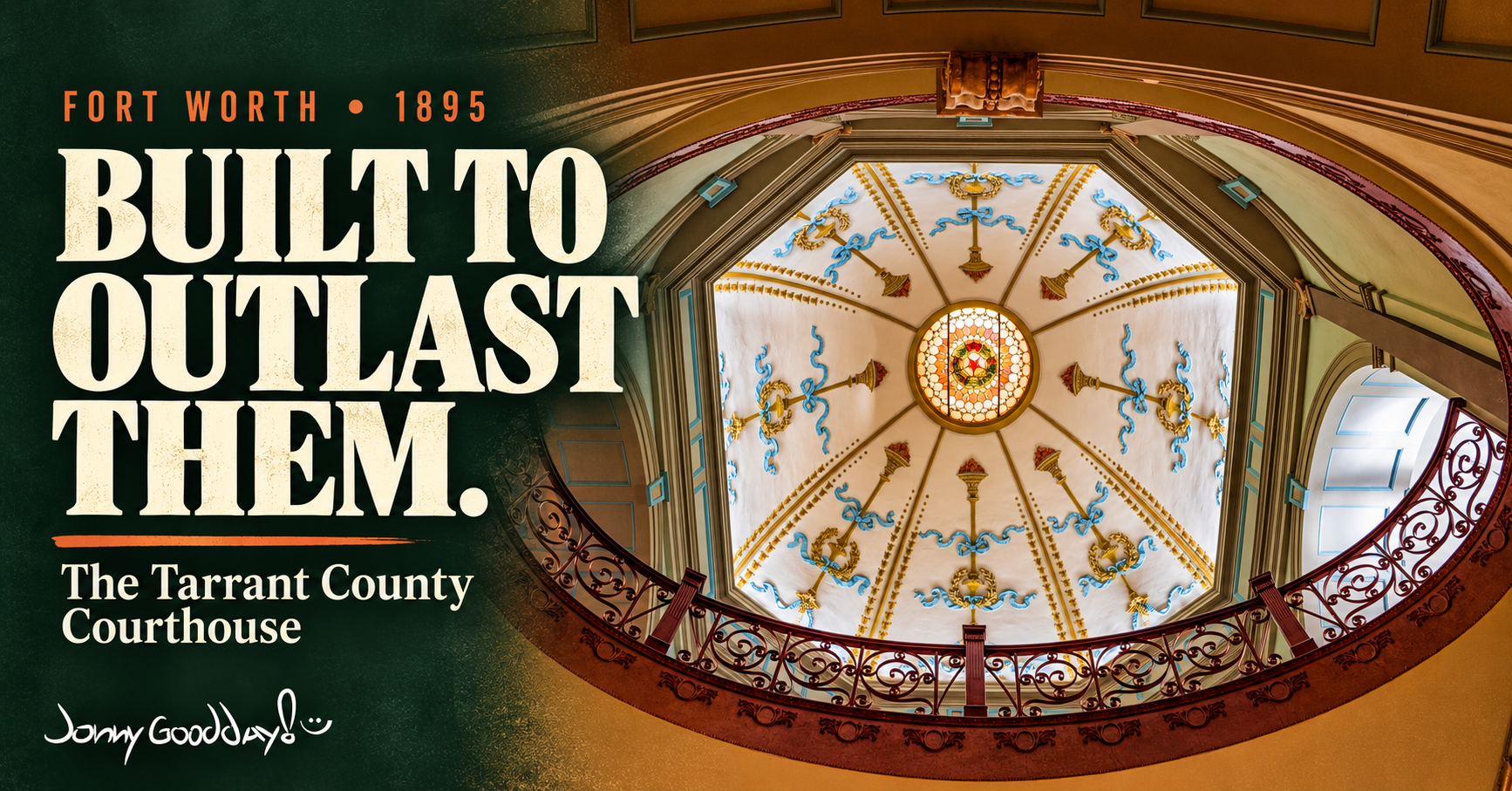
Fort Worth’s 1895 courthouse came in under budget—and still cost the county judge and commissioners their jobs. Explore the landmark’s history, restoration and enduring place in the city.
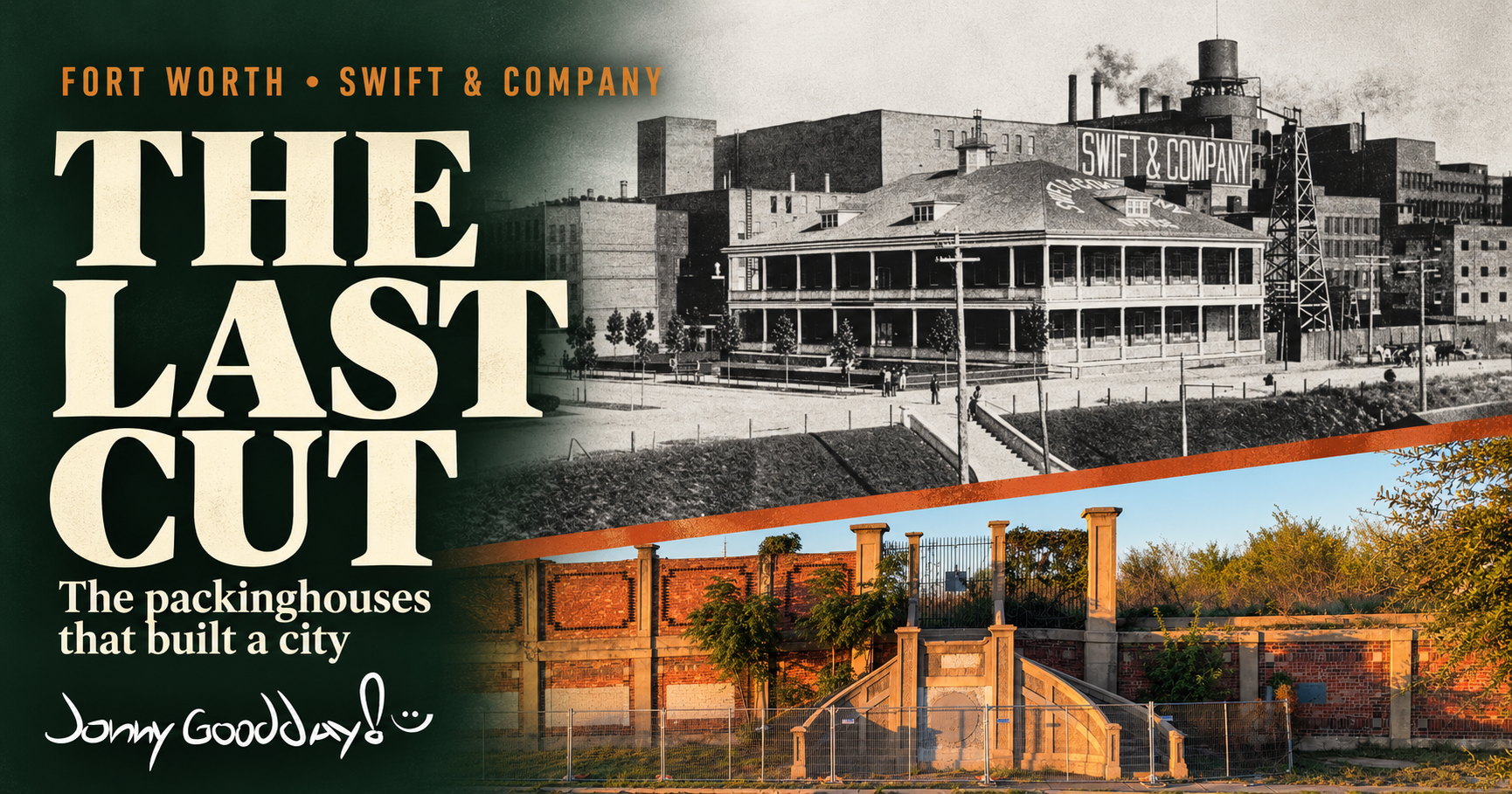
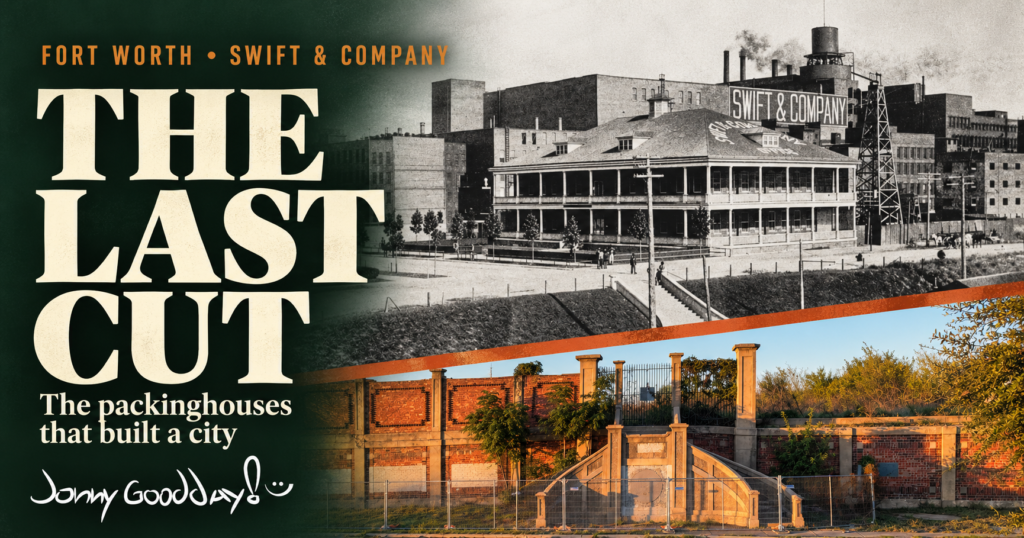
Swift & Company helped build Fort Worth. Explore the workers, packinghouses, and surviving fragments behind the Stockyards story.
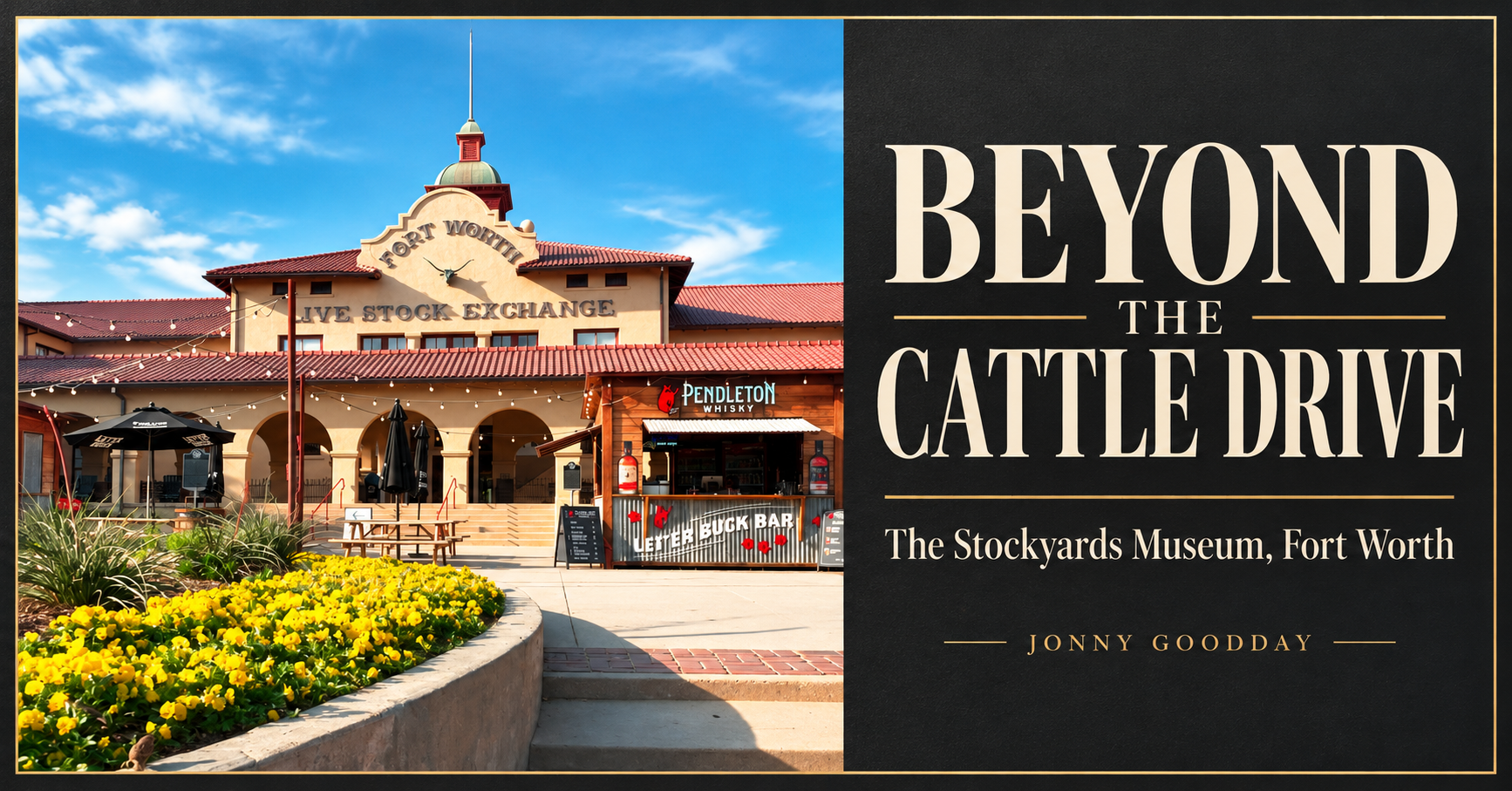
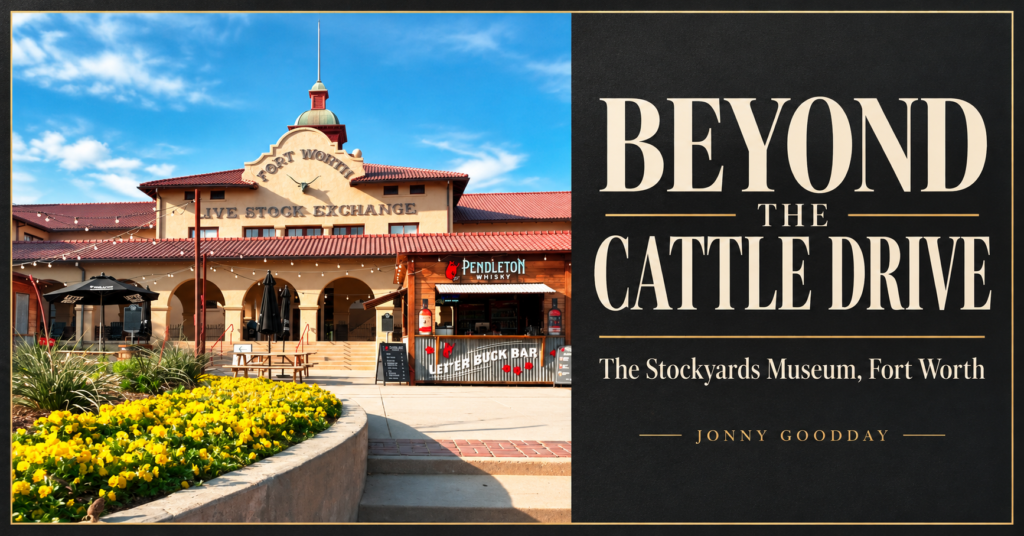
Inside the Livestock Exchange Building, Teresa Burleson shares the people, photographs, and working history behind Fort Worth’s familiar Stockyards streets.
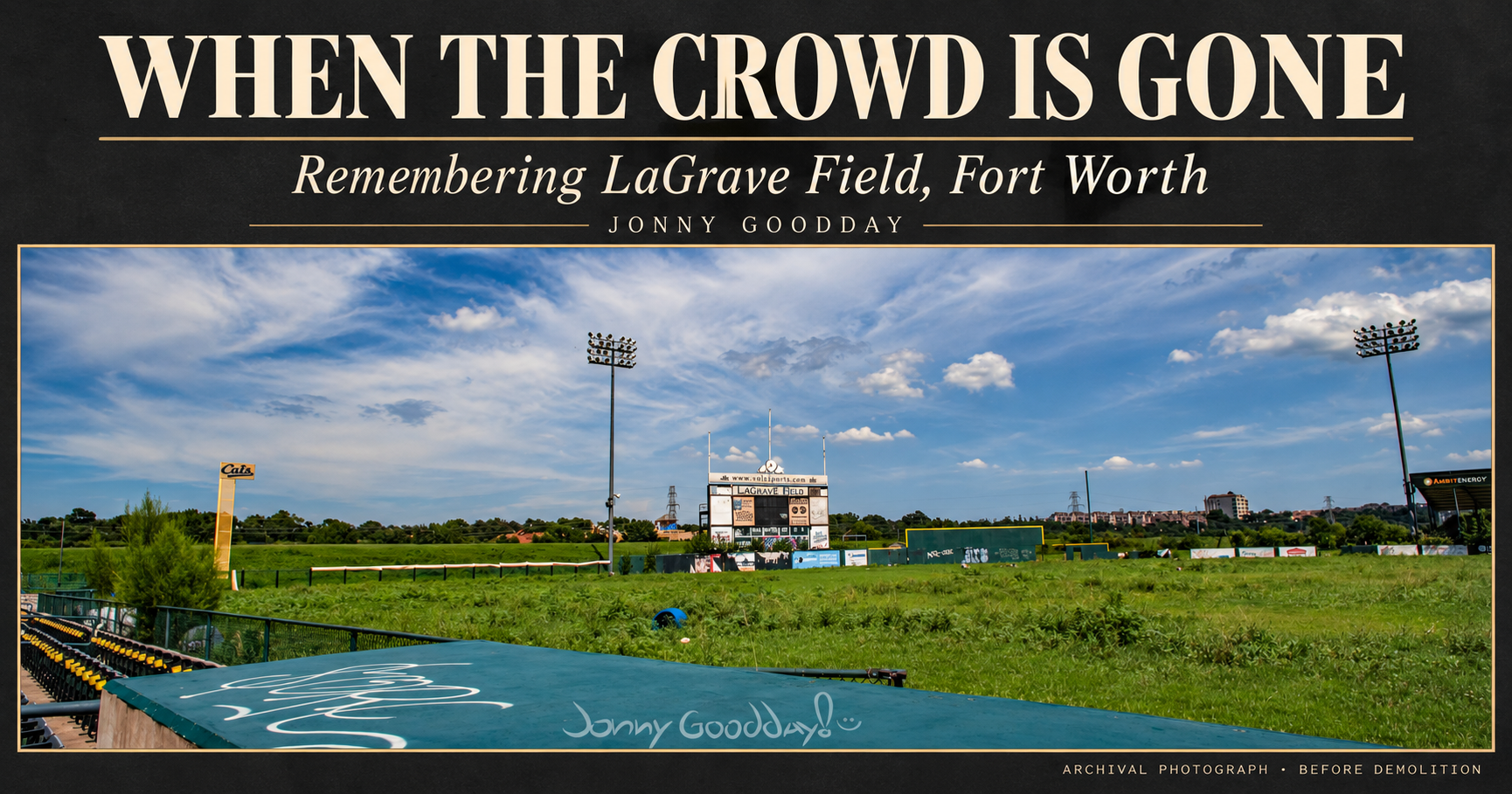
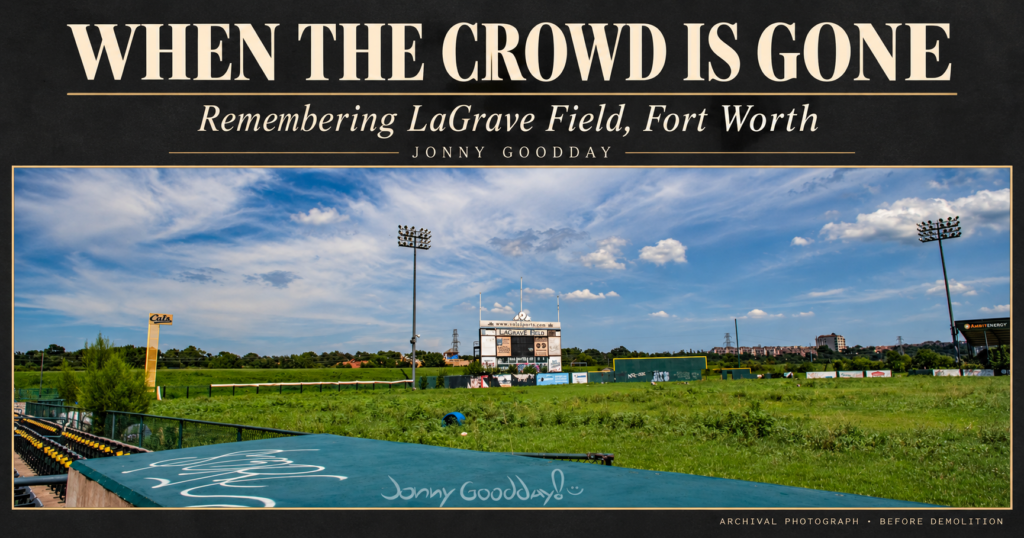
Old lights, a scoreboard, and the Cats’ name remain in photographs made before demolition. LaGrave Field’s story is now one of documentation and memory.
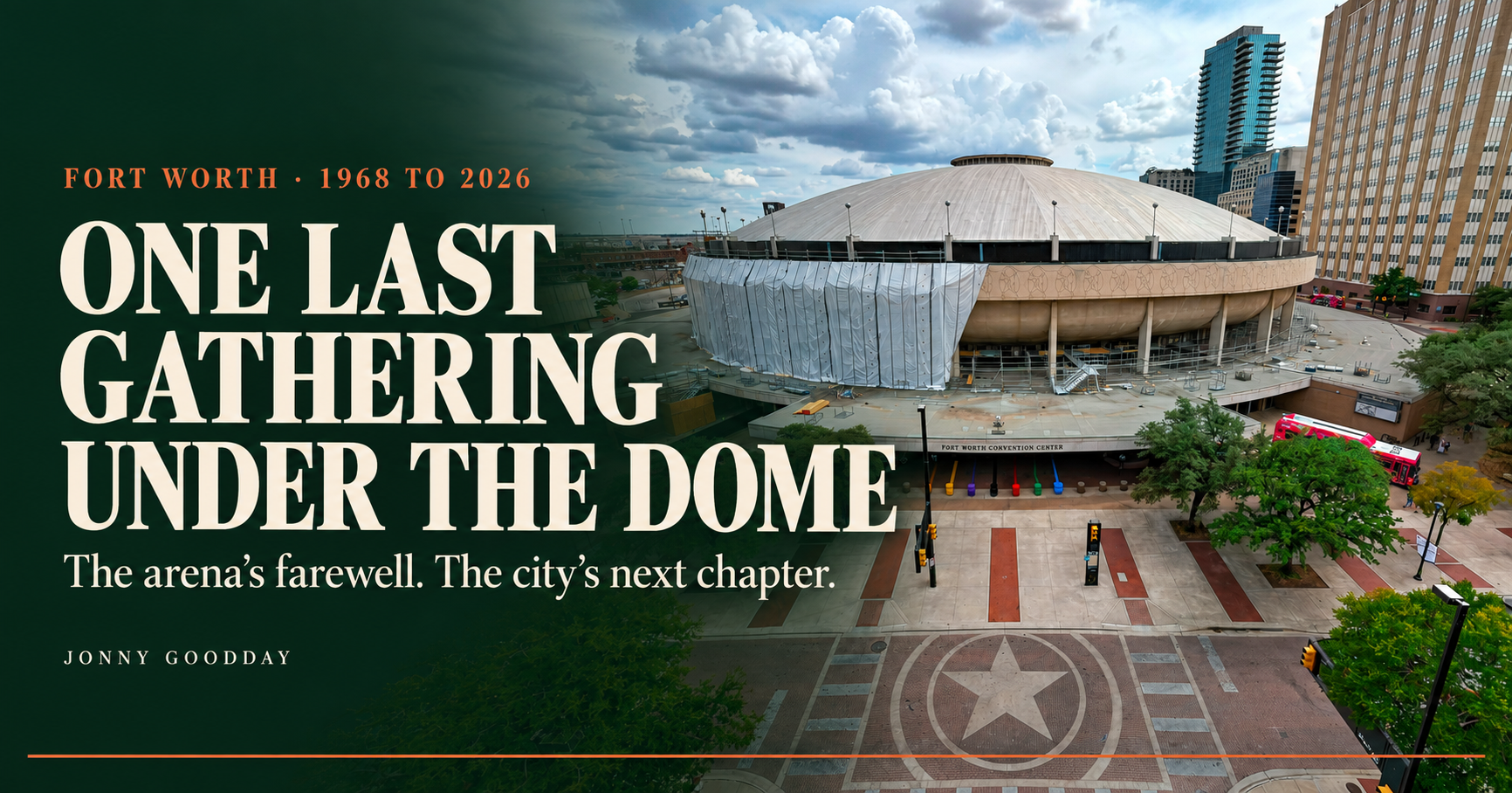
Fort Worth gathered beneath its flying saucer arena one last time on September 20th, 2026. A look at 58 years of history, the farewell celebration, and what comes next.
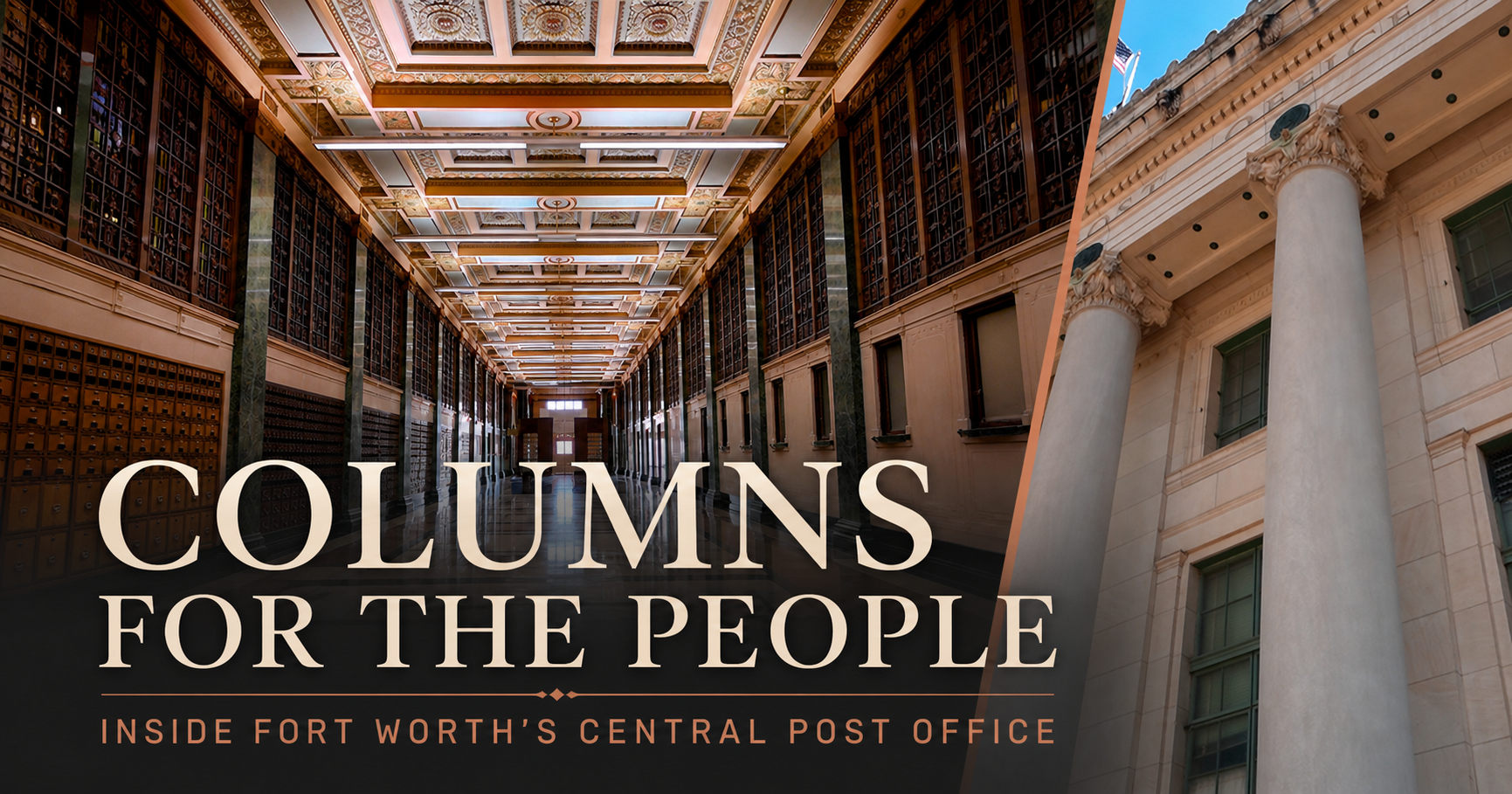
Opened in 1933, Fort Worth’s monumental central post office turned an everyday public service into an architectural promise of order, beauty, and connection.
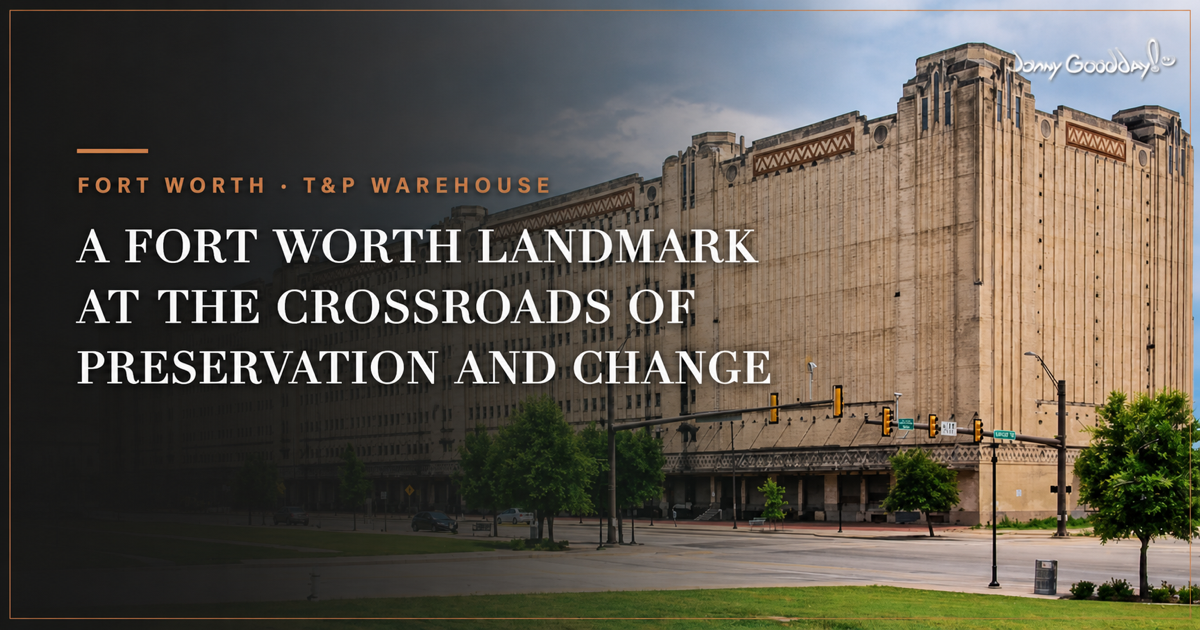
Fort Worth’s immense T&P Warehouse helped shape the railroad city. Now the Art Deco landmark faces a decisive question about preservation, reuse, and its future.
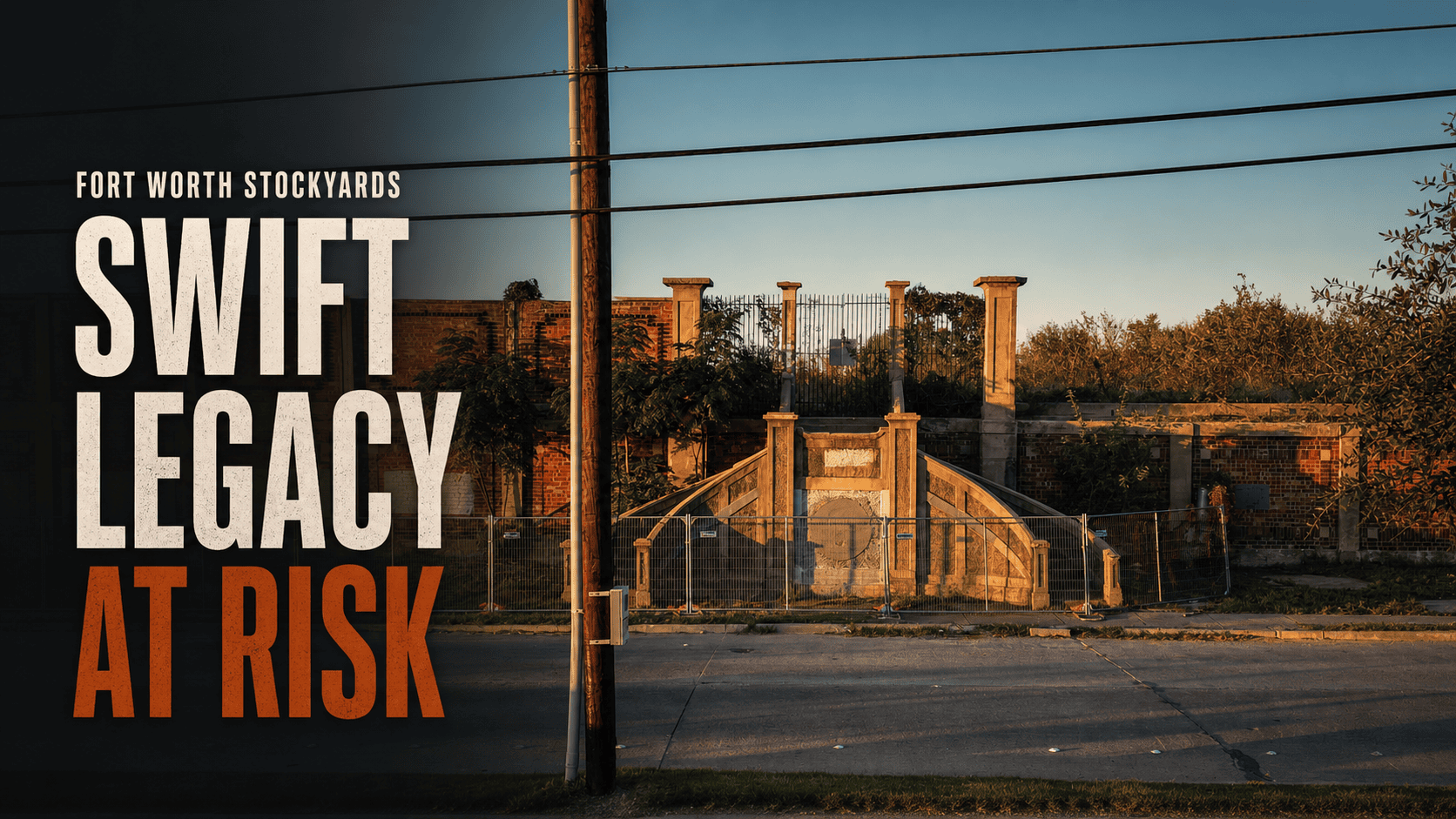
The surviving Swift & Company employee staircase and Victorian-era wall in the Fort Worth Stockyards have been named among the city’s most endangered historic places. See the photographs, watch the film and vote in the preservation poll.
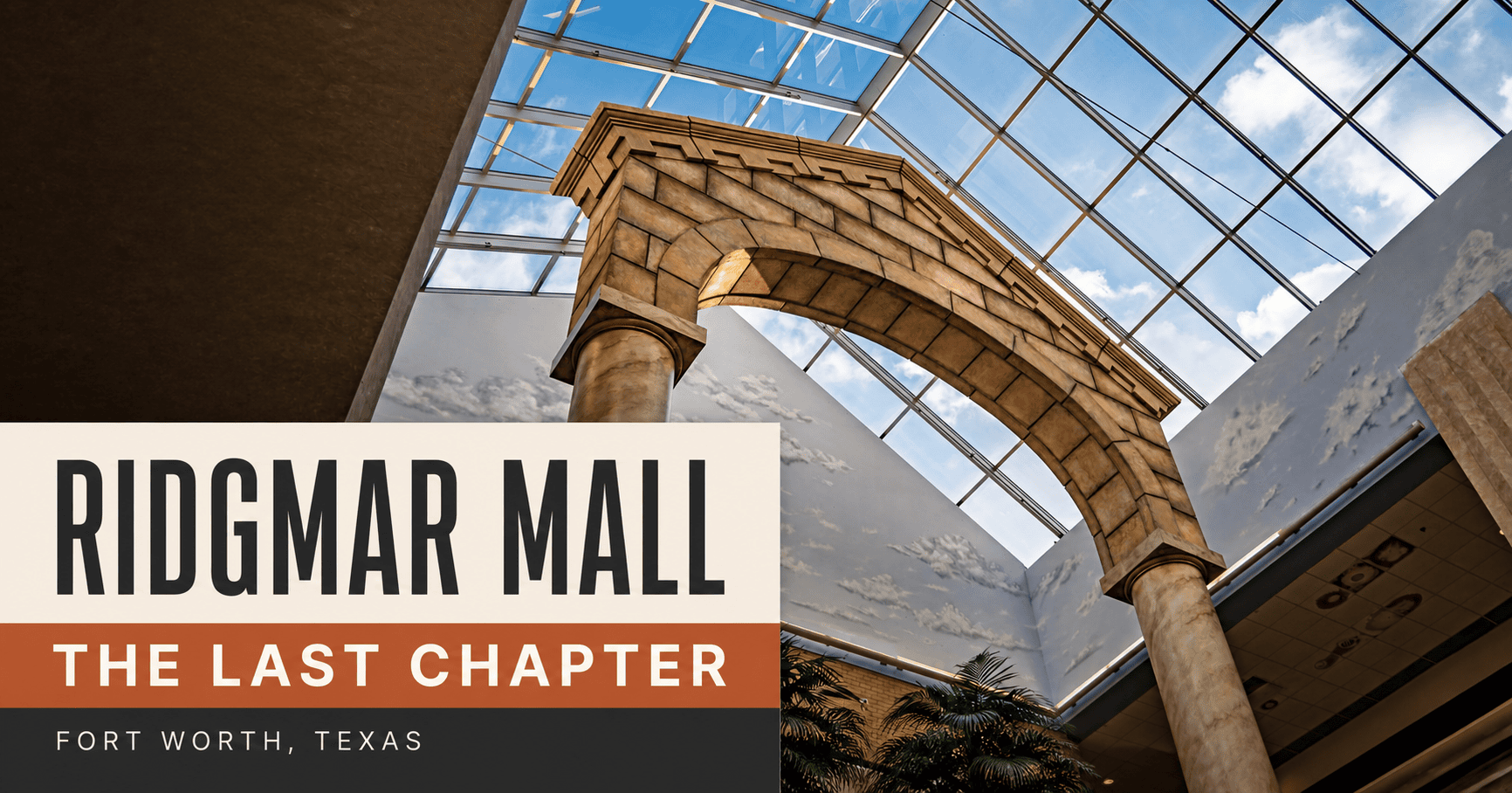
Ridgmar Mall was once one of west Fort Worth's busiest gathering places. Now, as the fading mall faces a future as Ridgmar 30 Logistics Crossing, Jonny Goodday photographs the architecture, the emptiness, and the memories that remain.
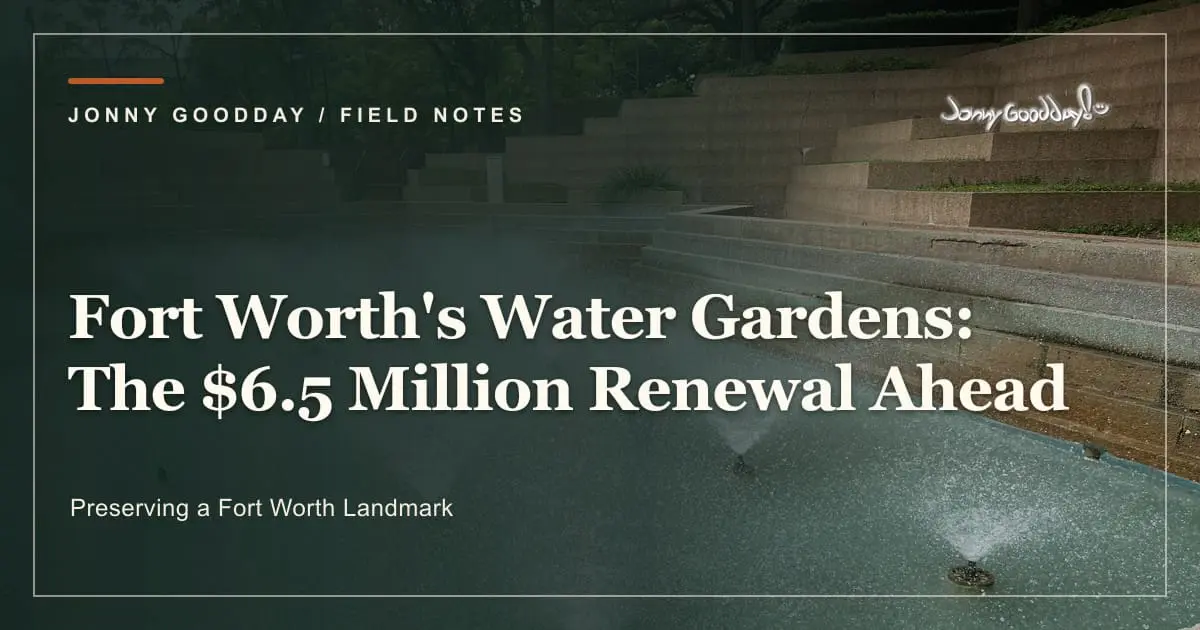
Fort Worth is preparing a $6.5 million renewal of its landmark Water Gardens, beginning with the systems that keep the Active Pool, lighting, landscape, and moving water alive.
Recent Posts
- Fort Worth’s Courthouse Outlasted the Officials Who Built It

- The Last Cut: How Swift & Company Made Fort Worth a Packinghouse City
- Beyond the Cattle Drive: Inside Fort Worth’s Stockyards Museum
- When the Crowd Is Gone: What Fort Worth Lost at LaGrave Field
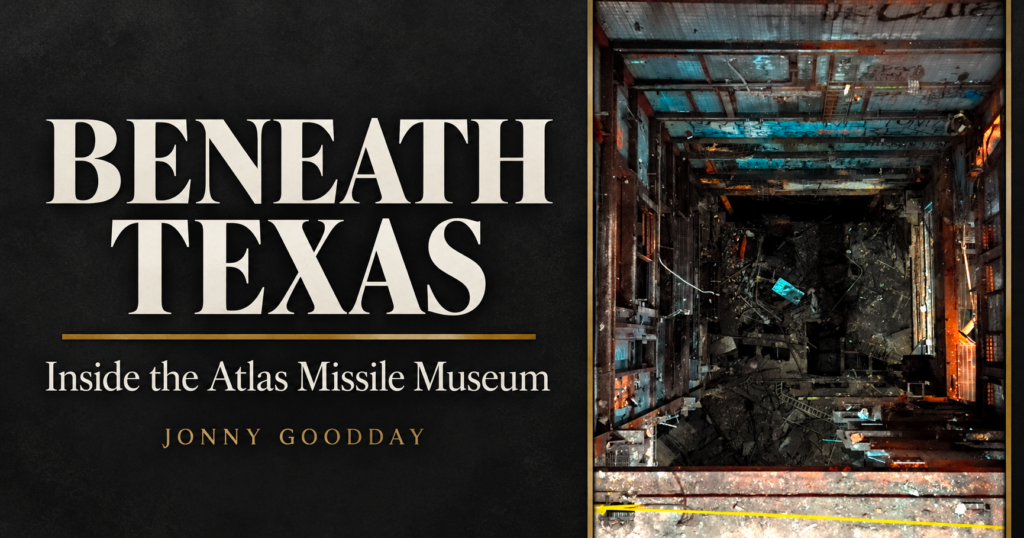
- Beneath Texas: Inside the Atlas Missile Museum and the People Who Saved It