

Texas landmark · Mineral Wells
Beneath the Dust: The Baker Hotel in Mineral Wells
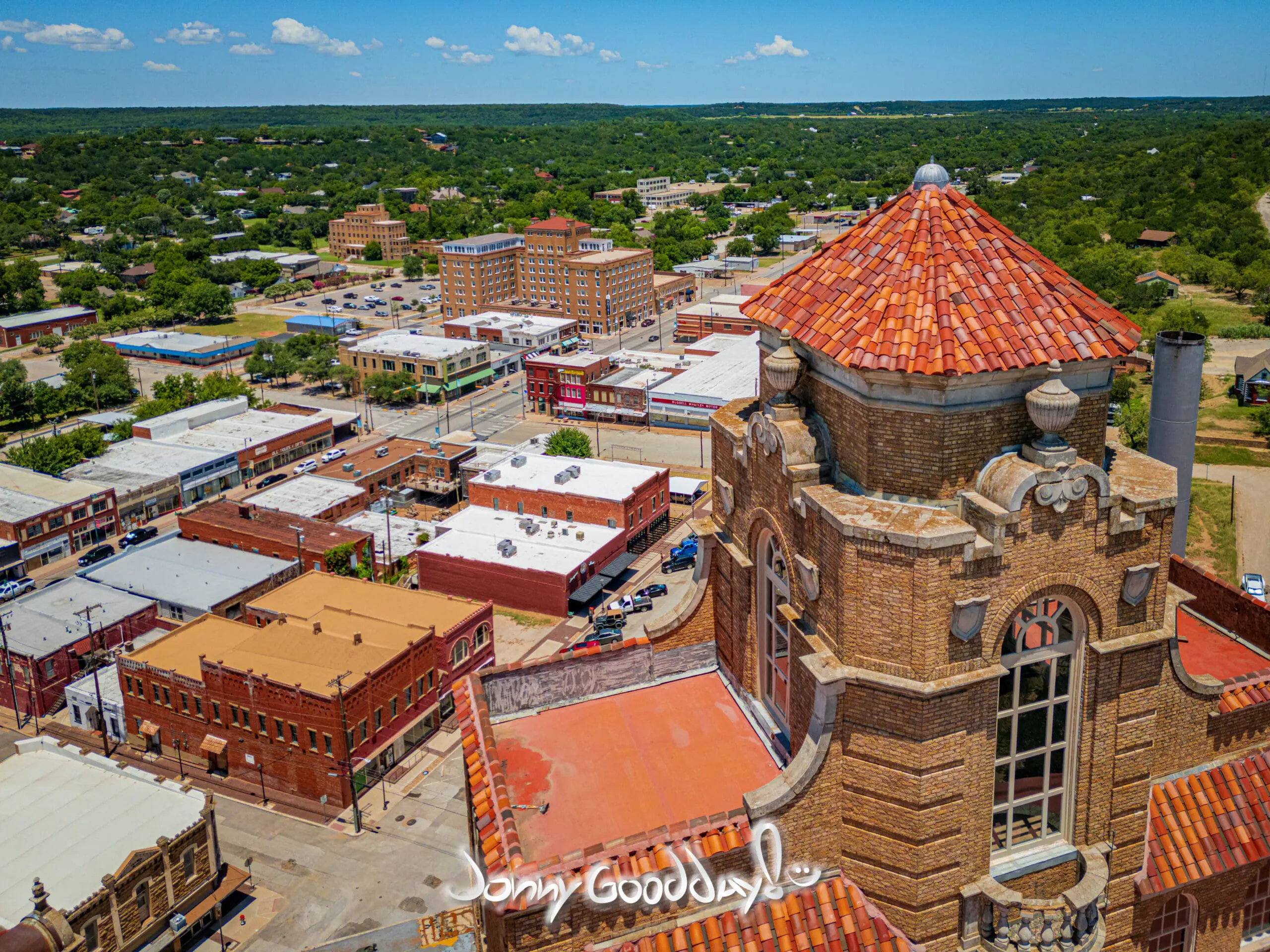
The Baker Hotel in Mineral Wells has spent more than half a century standing above town with its doors closed and its story very much alive.
In this story
Through my photographs and films, this is a walk from the mineral-water boom and a spectacular 1929 opening to the dust, silence, and patient restoration now shaping its next chapter.
“Mineral Wells has a way of slowing time. Wind across brick. Sun in broken glass. A giant asleep at the center of town. Beneath the dust there is a promise.”
Jonny Goodday film
Watch: Beneath the Dust
Walk the lobby, climb toward the skyline, and see the Baker as it stood between abandonment and return.
Watch the film directly on FacebookA hotel built from a town’s belief in water
Before the Baker, there was the water. Mineral Wells grew around springs credited with easing aches and restoring health. By 1920 the town counted roughly 400 mineral wells and promoted itself as the South’s great health resort. Trains delivered visitors to bathhouses, drinking pavilions, and hotels while bottled mineral water carried the town’s name far beyond Palo Pinto County.
Local citizens wanted a hotel large enough to match that reputation. They raised $150,000 and brought in Texas hotel operator T. B. Baker. Architect Wyatt C. Hedrick and the firm Inge & Burger shaped a fourteen-story landmark in the Mission and Spanish Revival tradition. The Texas Historical Commission later recognized the building for both commerce and architecture when it was listed in the National Register of Historic Places in 1982.
Opening into the crash
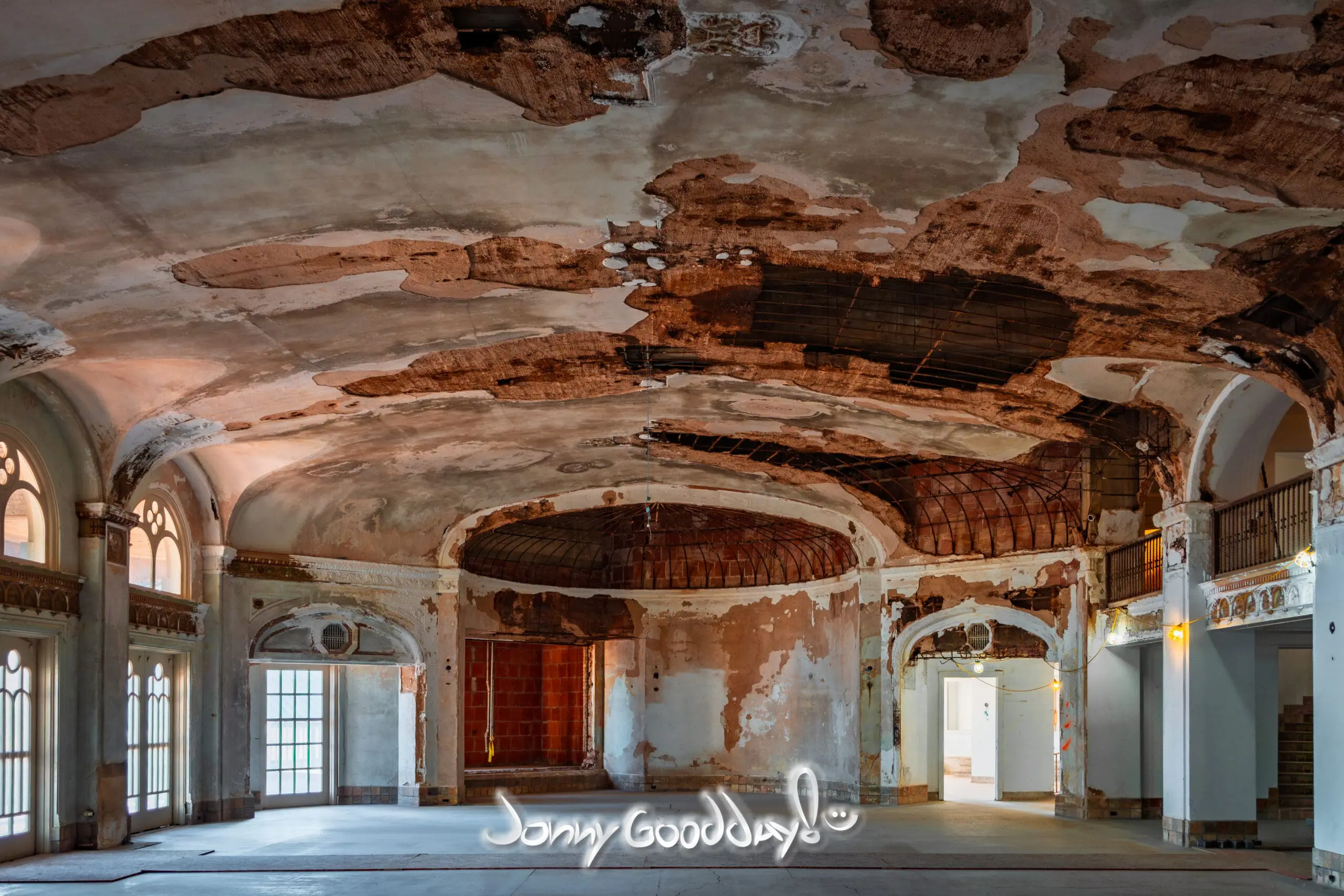
The Baker opened on November 22, 1929, only weeks after the stock-market crash. It had cost about $1.2 million and offered approximately 450 guest rooms, grand public spaces, two spas, an outdoor Olympic-sized pool, and the Cloud Room high above town. The timing could hardly have been more difficult, yet the lights came on and the hotel began receiving guests.
Modern comfort inside historic walls
The Baker was designed to feel advanced. Chilled water circulated to rooms. Energy-saving switches cut power when guests left. Valet cabinets built into the walls allowed laundry to be collected without a knock at the door. Its scale was astonishing for a town of only a few thousand people, but the hotel was built to host conventions, dances, spa travelers, and a wider world.
Through the 1930s, 1940s, and 1950s, the hotel’s ballrooms and Cloud Room helped make Mineral Wells a destination. Nearby Camp Wolters—and later Fort Wolters—brought military traffic and renewed energy during World War II and the decades that followed. The Baker was not simply somewhere to sleep; it was the room where Mineral Wells met visitors from across Texas and beyond.
When the lobby went quiet
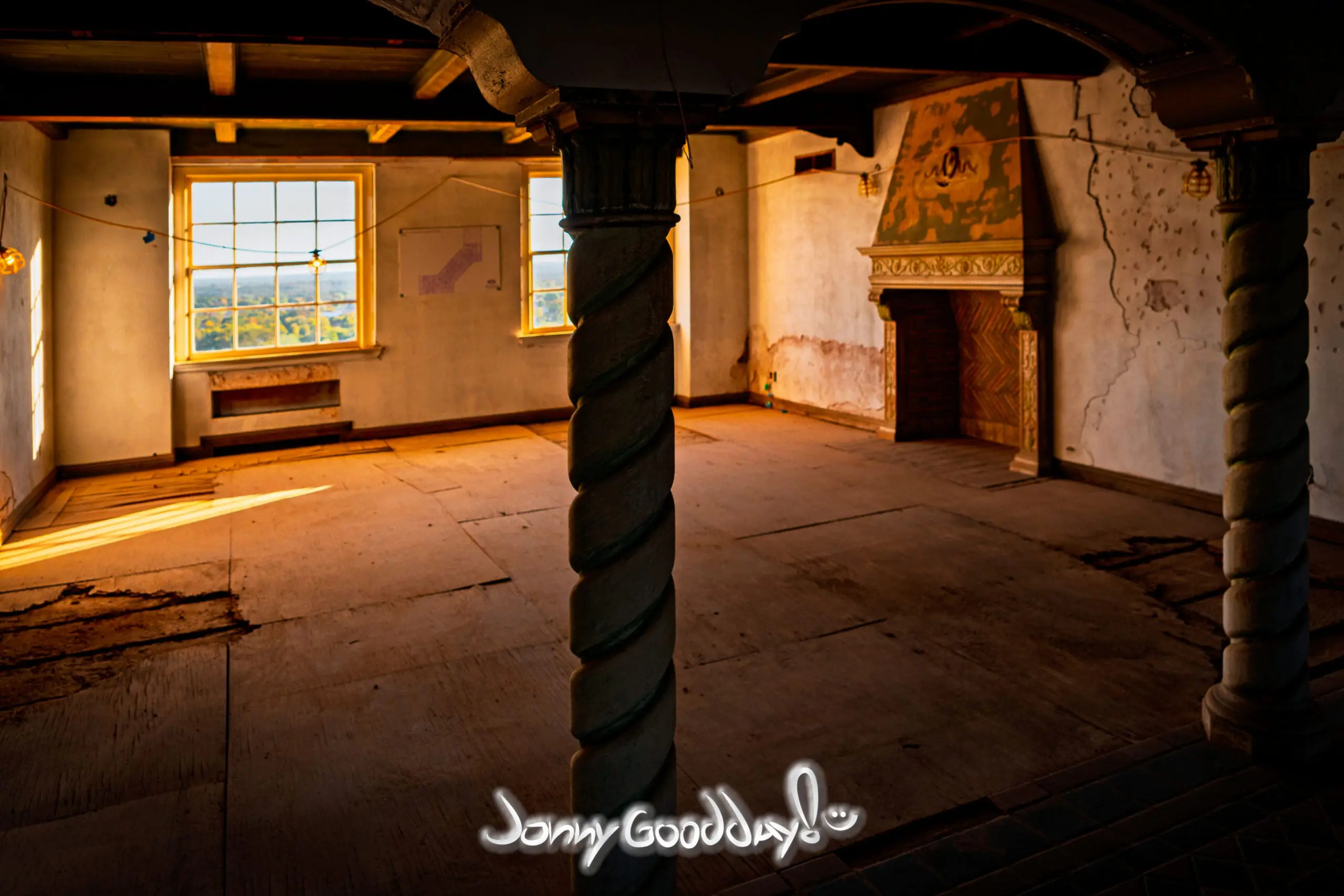
Travel changed. Highways redirected vacationers, commercial aviation shortened long journeys, and modern medicine replaced many of the promises once attached to mineral baths. The Baker first closed in 1963. Civic leaders reopened it in 1965, but the revival was brief. In 1972 the hotel closed again, this time for decades.
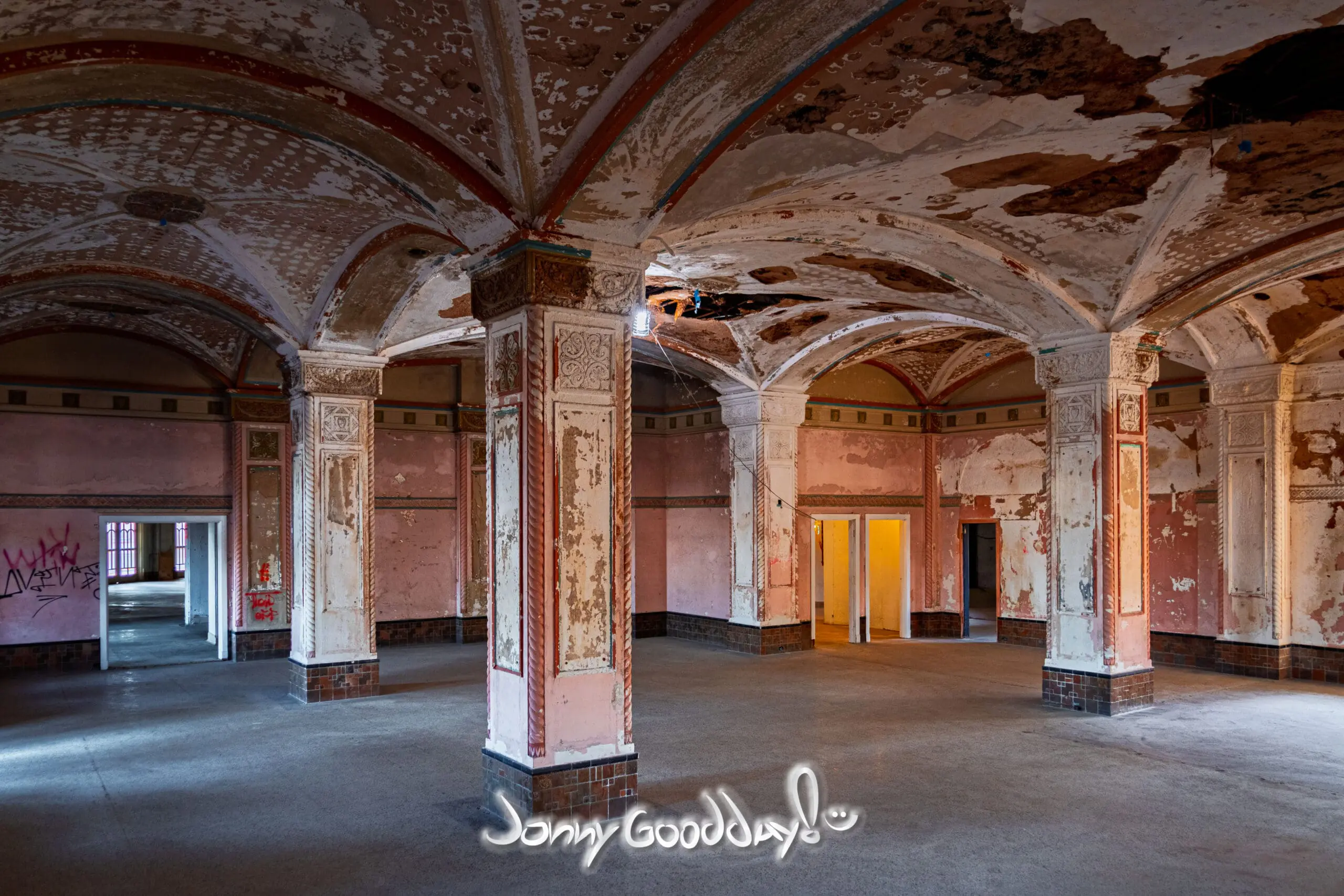
Water found the roof. Windows went dark. Birds nested in the upper floors. The empty pool cracked beneath the Texas sun. Yet the building never disappeared from daily life. People in Mineral Wells remembered dances, weddings, jobs, family visits—or simply the ritual of driving past and looking up. Silence moved in, but memory never moved out.
Restoration is a hundred careful decisions
A new restoration effort was formally announced in 2019. The work is not a cosmetic renovation. It means stabilizing a 248,000-square-foot historic building, replacing modern systems, and deciding—fixture by fixture—what can be repaired, reproduced, or carefully reinstalled. Original hardware, lamps, windows, and decorative pieces have been cataloged so the hotel’s character survives alongside the new plumbing, wiring, elevators, and life-safety systems it requires.
By May 2026, project representatives said the roof, windows, doors, and asbestos abatement had been completed. The hotel’s official plan now calls for 165 larger guest rooms, a spa centered again on Mineral Wells’ water, restored ballrooms and public spaces, restaurants, retail, and event facilities. The current official target is an opening in 2028—a date that should be understood as a project goal for a restoration of extraordinary scale.
Restoration detail
Saving the lights that once welcomed guests
These original lights and chandeliers were removed, stored together, and preserved for eventual reinstallation. Seeing them glowing in one room makes the future feel suddenly tangible.
The sound of a building waiting to return
Walking these rooms also led me to write “Turn the Lights Back On (Beneath the Dust).” The companion film lets piano, strings, and images carry one idea forward: beneath the dust, the heart still beats.
Original music film
Turn the Lights Back On
Watch the music film directly on FacebookWhy the Baker Hotel still matters
The Baker’s importance is larger than its height. It records Mineral Wells’ rise as a health resort, Texas hospitality at an ambitious scale, the military years that reshaped the town, and the long economic change that followed. Its National Register listing recognizes both the events connected to the building and the architecture that made those events visible.
It also proves that preservation is not nostalgia frozen in place. Done well, restoration gives an old building useful work again. The Baker’s return is intended to create jobs, welcome travelers, support downtown businesses, and reconnect Mineral Wells with the wellness identity that first put it on the map.
Baker Hotel in Mineral Wells: frequently asked questions
When did the Baker Hotel open?
The Baker Hotel opened on November 22, 1929, only weeks after the stock-market crash.
Who designed the Baker Hotel?
Texas architect Wyatt C. Hedrick and the firm Inge & Burger are credited in the Texas Historical Commission’s National Register record.
When did the Baker Hotel close?
It first closed in 1963, reopened in 1965, and ended hotel operations again in 1972.
Is the Baker Hotel being restored?
Yes. Restoration is active and includes historic preservation plus new structural, mechanical, electrical, plumbing, guest-room, spa, and public-space work.
When is the Baker Hotel expected to reopen?
The Baker Hotel and Spa’s official website currently lists 2028 as its planned opening year. Large historic restorations can change, so the project’s own website is the best source for schedule updates.
Can the public tour the Baker Hotel now?
The building remains an active restoration site and is not generally open for unscheduled public entry. Follow the official Baker Hotel channels for authorized events and access information.
Continue through Jonny Goodday’s Texas building stories, or see how architecture and natural light meet in the Marty Leonard Community Chapel.
Sources and further reading
Keep Exploring
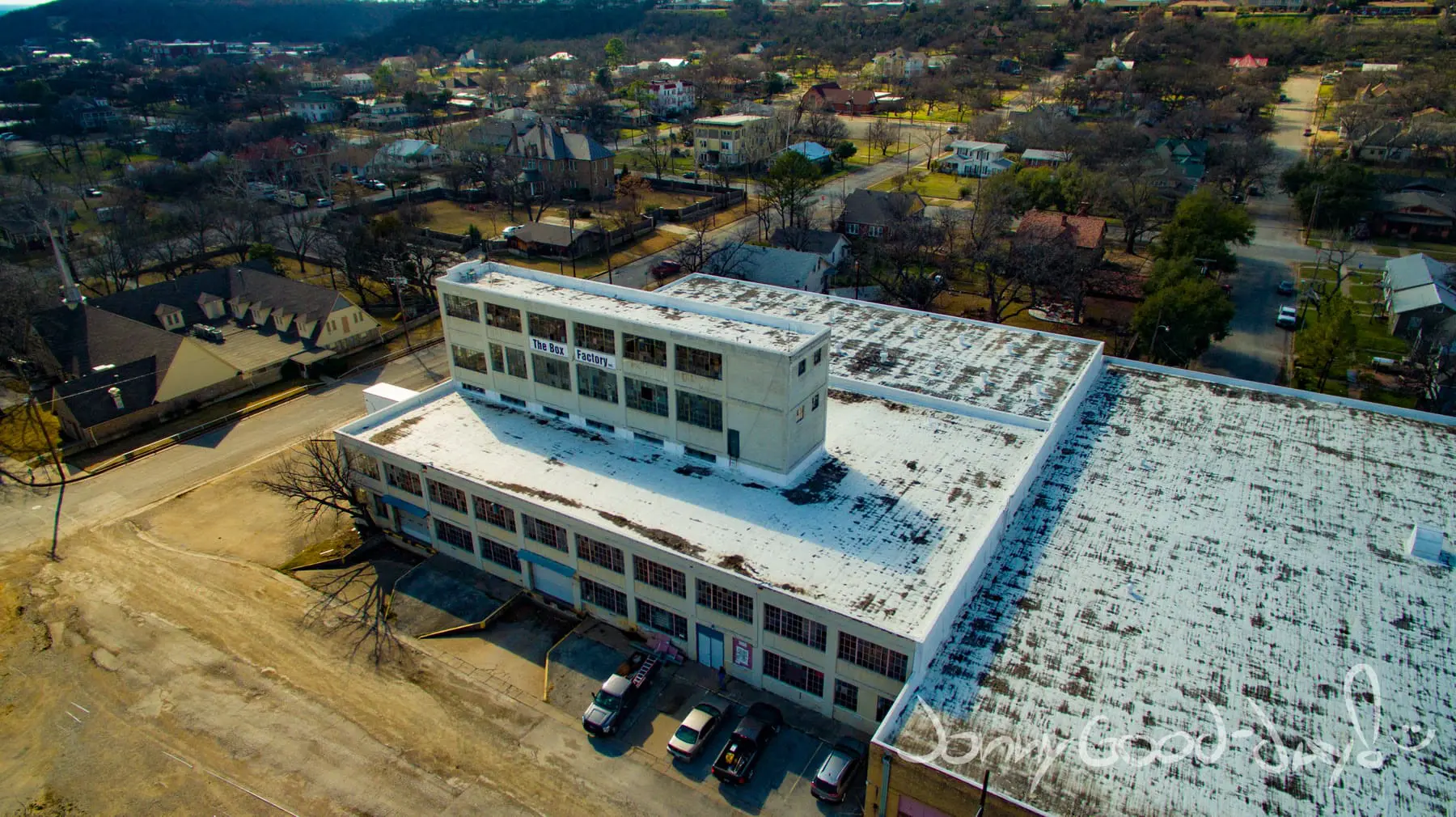
Boxes, Bottles, and Brick
The industrial story of the Mineral Wells Box Factory and what its surviving walls remember.
Read the story →Fort Worth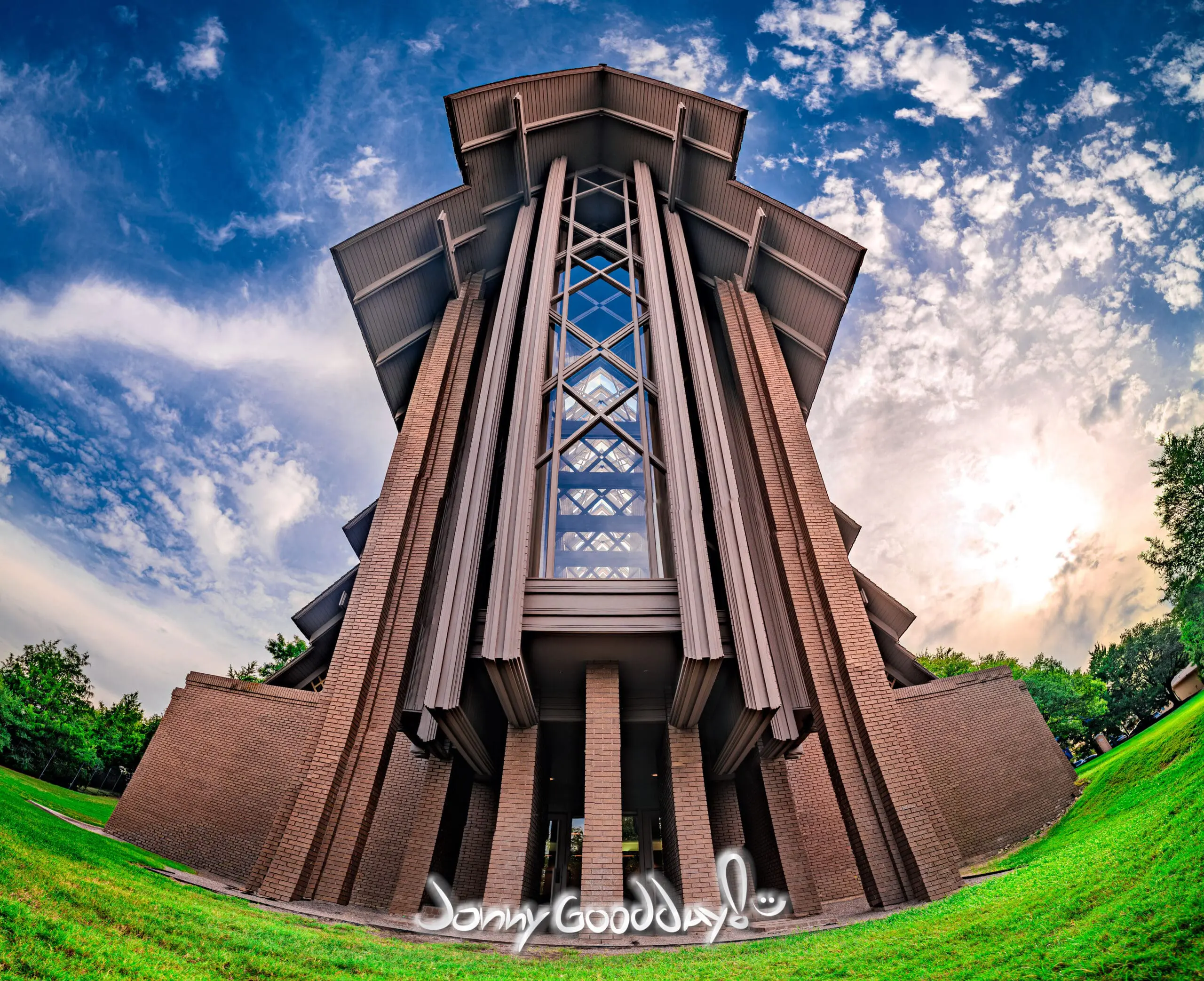
Marty Leonard Community Chapel
Step inside Fay Jones’s luminous composition of wood, glass, geometry, and light.
Read the story →Thurber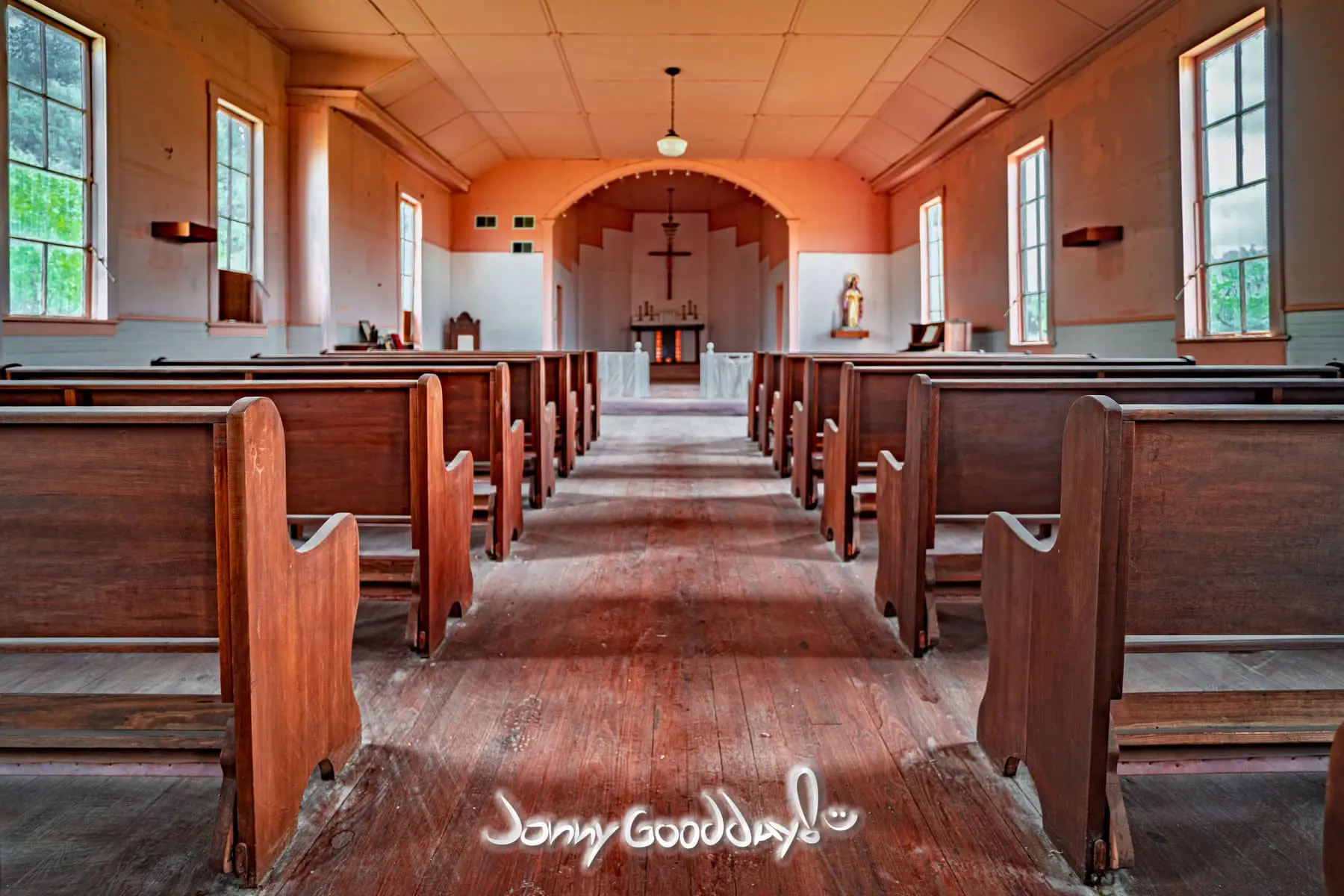
St. Barbara’s Church
A small sanctuary carrying the memory of a Texas mining town and the people who built it.
Read the story →Stay close to the road
Follow the next story.
Occasional article updates, photographs, and films from the field.
Help document the places worth remembering. Support the work →
No Responses