

Explorations
St. Barbara’s Church of Thurber: A Miner’s Sanctuary
On the west side of I-20, St.
In this story
Barbara’s Church in Thurber rises against the sky. Its small bell tower wears a simple cross. Pointed windows catch the light. The sign reads St. Barbara’s. This modest building once anchored a company town where coal and brick paid the bills and Sunday kept families steady.
St. Barbara’s Church in Thurber: the little church on New York Hill
A company town finds its patron
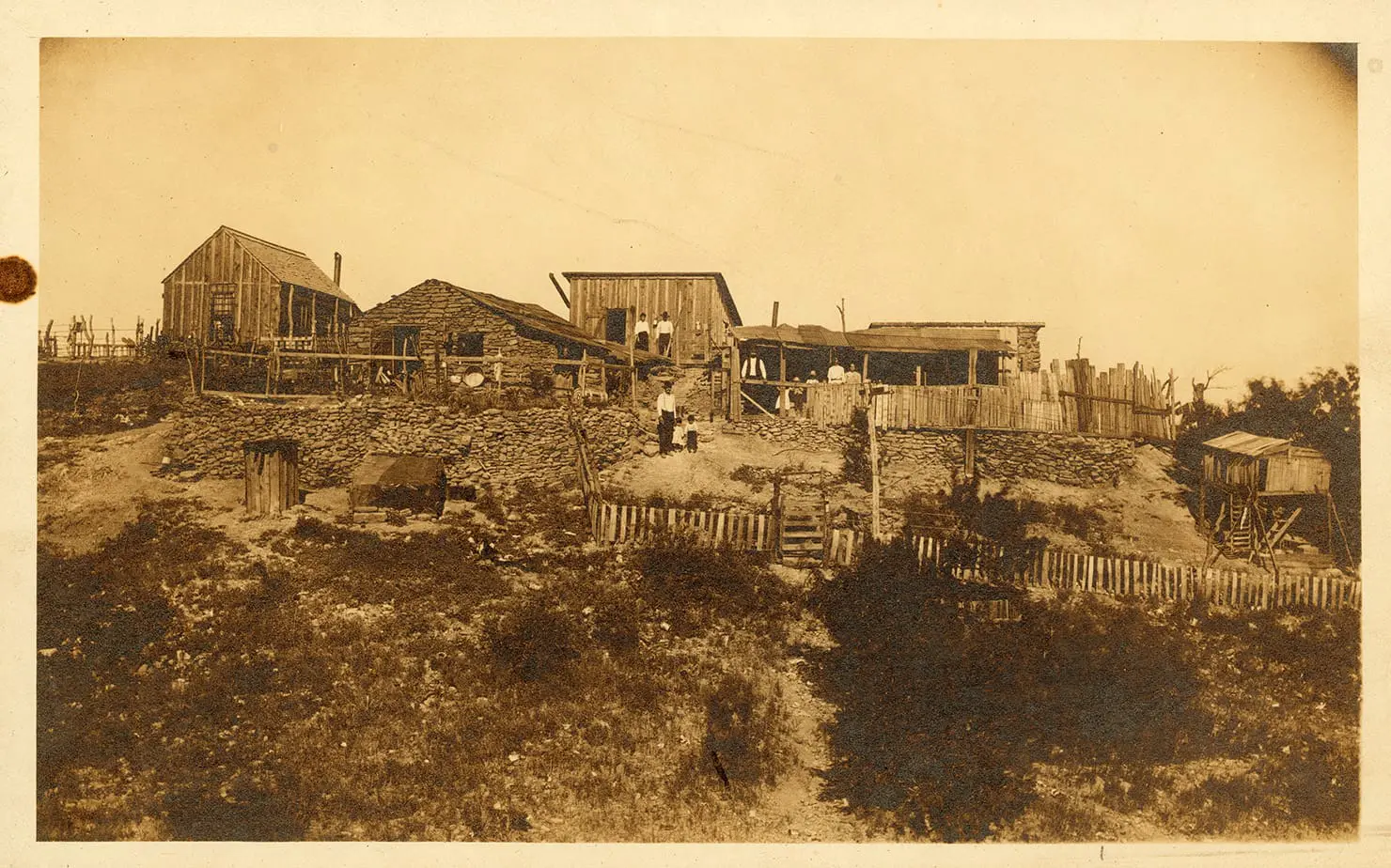
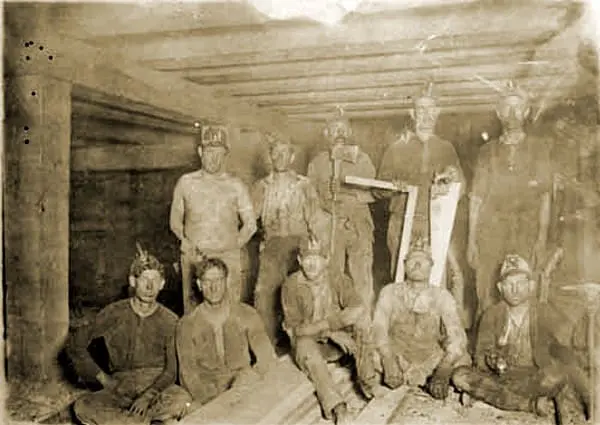
Thurber was a Texas & Pacific Coal Company town filled with immigrants from across Europe and Mexico. Most were Catholic, so the company built a dedicated church in 1892. They first called it St. Thuribus, a name chosen because it sounded like Thurber. Soon it took the name St. Barbara, patron saint of miners. The company owned the building, paid the priests, and even covered the parsonage and livery, yet there is no record of interference in church affairs.
Baptisms in six languages
By winter of 1893 the baptismal register was open. Oral history says a priest could hear confession in six languages, a reminder of how many nations met here each week. One family record notes the first marriage in the church took place in July 1892. Faith and factory life moved forward together.
Built, architect, and style
St. Barbara’s was completed in late 1892 by the Texas & Pacific Coal Company. No named architect appears in public records reviewed for Thurber. The church is a wood-frame sanctuary with a front-facing gable, a square belfry, and pointed-arch windows. Those details place it in the Gothic Revival family as a vernacular, carpenter-built church that many would describe as Carpenter Gothic.
School next door, work all around
In 1894 the Sisters of the Incarnate Word opened Hunter Academy beside the church. They taught regular and night classes and helped new arrivals learn English. The school ran until 1923. During the week the mine whistles set the rhythm. On Sundays the bell tower did.
Moved, saved, moved again
When the mines closed and Thurber emptied in the 1930s, buildings were sold, dismantled, or moved. St. Barbara’s was cut into two halves and hauled a few miles north to Mingus in 1937, where Mass continued into the 1970s. In 1993 the Thurber Historical Association brought the church back to the old townsite. Today it sits at the base of New York Hill, one of the last standing witnesses to a vanished city.
What the walls still tell
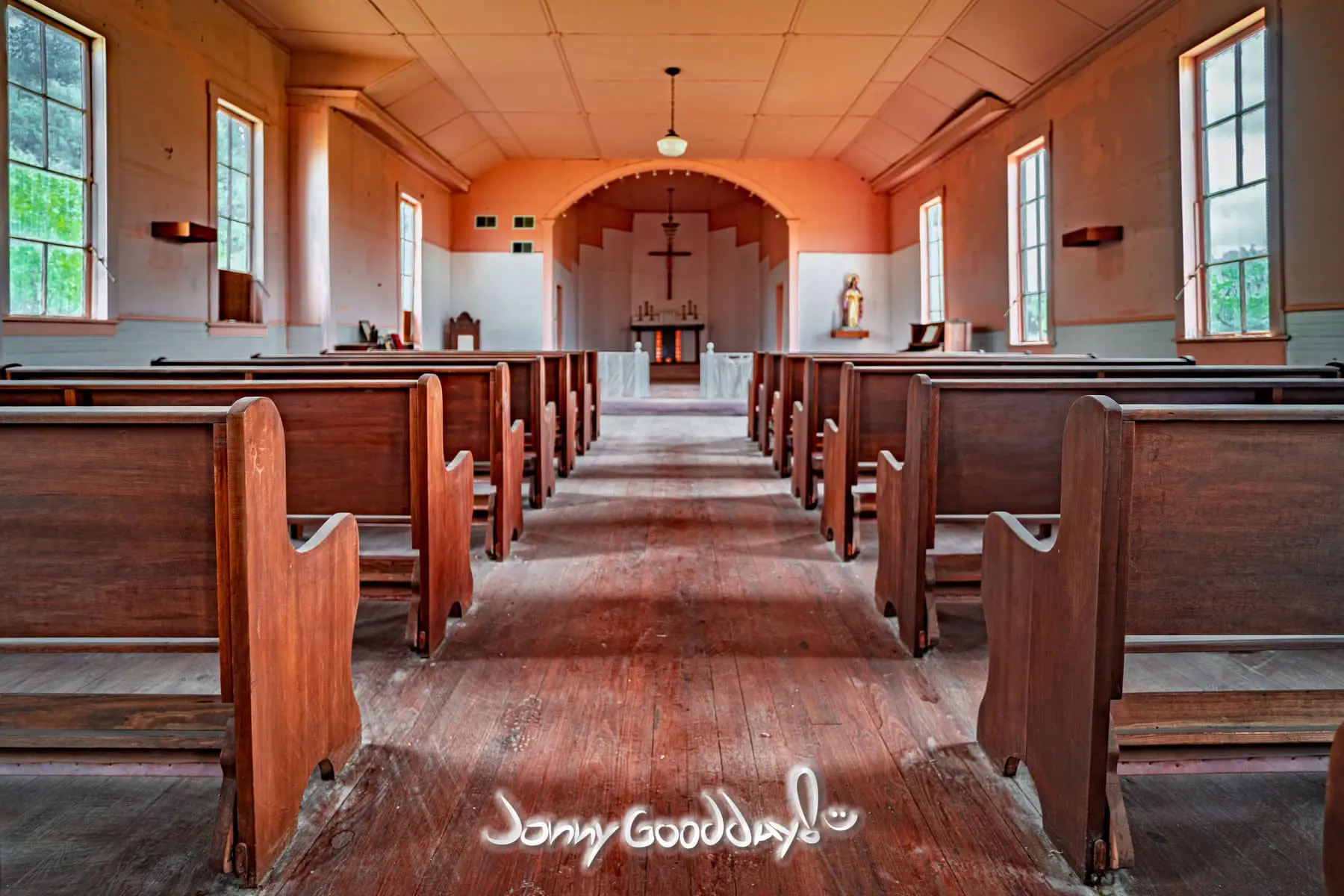
Stand at the front steps and look up. The steep gable frames a small rose window. The belfry is simple and open. Inside, plank floors creak. Light finds the pointed windows and lifts the room. These are working materials shaped for worship. They tell you what mattered here: the Mass, the language you spoke at home, the neighbors you greeted on the steps.
Present need and a local push
Age and storms have left their marks. Wind toppled parts of the belfry in 2022, and the siding, roof, windows, and foundation need attention. Local volunteers and the Thurber Historical Association are raising funds to stabilize and restore the church so it can keep serving as a place for services, weddings, and community events.
Why St. Barbara still matters
Company towns fade, but communities do not. St. Barbara’s holds the memory of miners who built a life here, the families who learned new words at Hunter Academy, and the Sundays when six languages still sounded like one. Saving this building is not only about boards and paint. It is about keeping a Texas story close enough to touch.
See the church’s official landmark record in the Texas Historical Commission Atlas.
Continue exploring Jonny Goodday’s Texas stories and historic places.
Closing picture
Evening falls on the hill. A train sounds far off. The little tower darkens against the sky. For a moment you can imagine the town as it was, and you understand why the people who stayed keep the key.
Echoes of St. Barbara’s | written by Jonny Goodday | created using Suno
Continue exploring
More stories from the field
Fort Worth’s Courthouse Outlasted the Officials Who Built It
Fort Worth’s 1895 courthouse came in under budget—and still cost the county judge and commissioners their jobs. Explore the landmark’s history, restoration…
Read the story →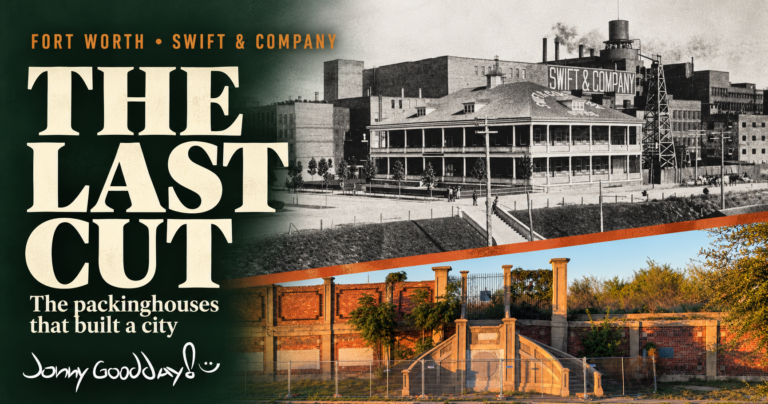
The Last Cut: How Swift & Company Made Fort Worth a Packinghouse City
Swift & Company helped build Fort Worth. Explore the workers, packinghouses, and surviving fragments behind the Stockyards story.
Read the story →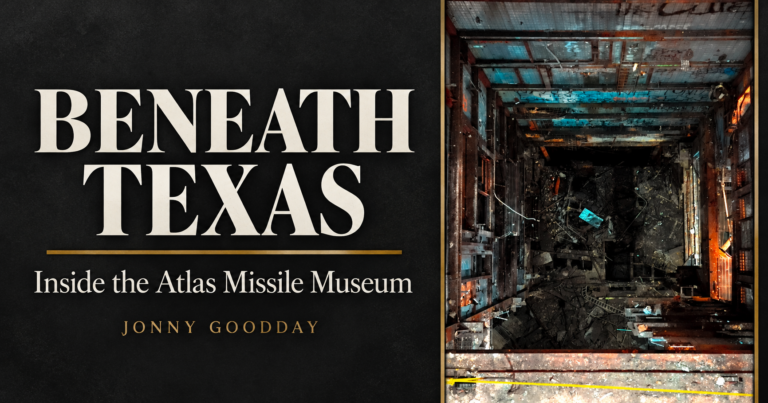
Inside the Atlas Missile Museum of Texas at Oplin
Go inside Oplin’s Atlas Missile Museum with Jonny Goodday and Bruce Townsley, where Cold War history and a remarkable community restoration meet.
Read the story →Stay close to the road
Follow the next story.
Occasional article updates, photographs, and films from the field.
Help document the places worth remembering. Support the work →
No Responses