
Mineral Wells Stories
After the EF-3: How Mineral Wells Came Together
The Mineral Wells tornado changed lives across the city in a matter of minutes.
In this story
What followed was a story of first responders, neighbors, volunteers, and local leaders working together to begin a long recovery.
By morning, the path of the tornado could be read in torn roofs, downed utility lines, splintered trees, and metal folded across the ground. The destruction was severe. The City of Mineral Wells later confirmed that the storm had reached EF-3 strength. Five people were injured, but no lives were lost.
That outcome felt almost impossible to the people standing inside the damage.
“Minimal injuries, no fatalities. It’s a miracle.”
Brittany Brown
The tornado became a defining moment for Mineral Wells, but not only because of what it destroyed. It became a story about warning sirens, first responders, volunteers, local organizations, and ordinary neighbors who found a role and went to work.
How the Mineral Wells tornado changed one night
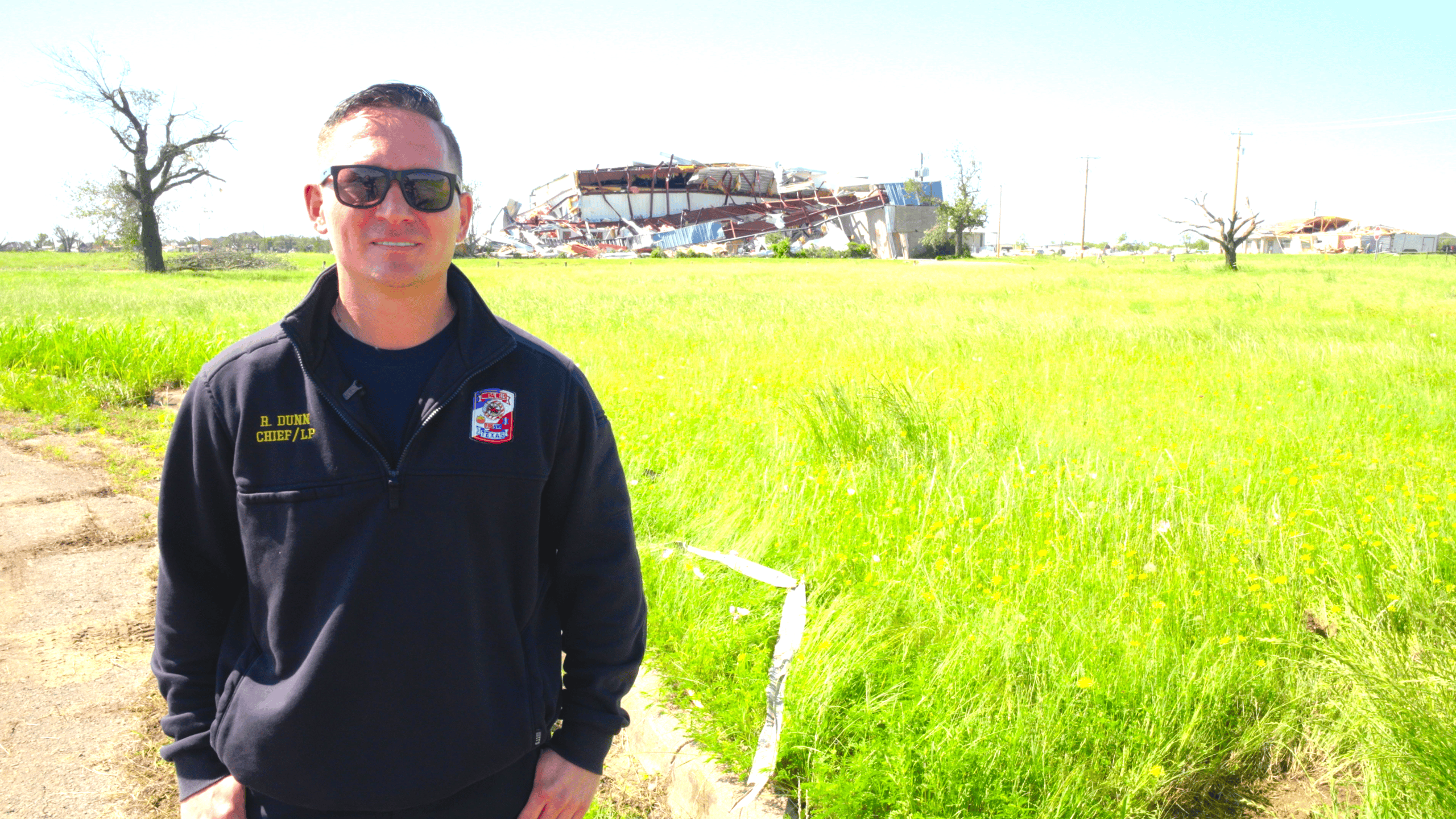
Mineral Wells Fire Chief Ryan Dunn remembered how little time there was between the first signs of danger and the moment the city needed to act.
“The storm hit quickly. We set off the sirens to alert people to get back into their homes.”
Ryan Dunn, Mineral Wells Fire Chief
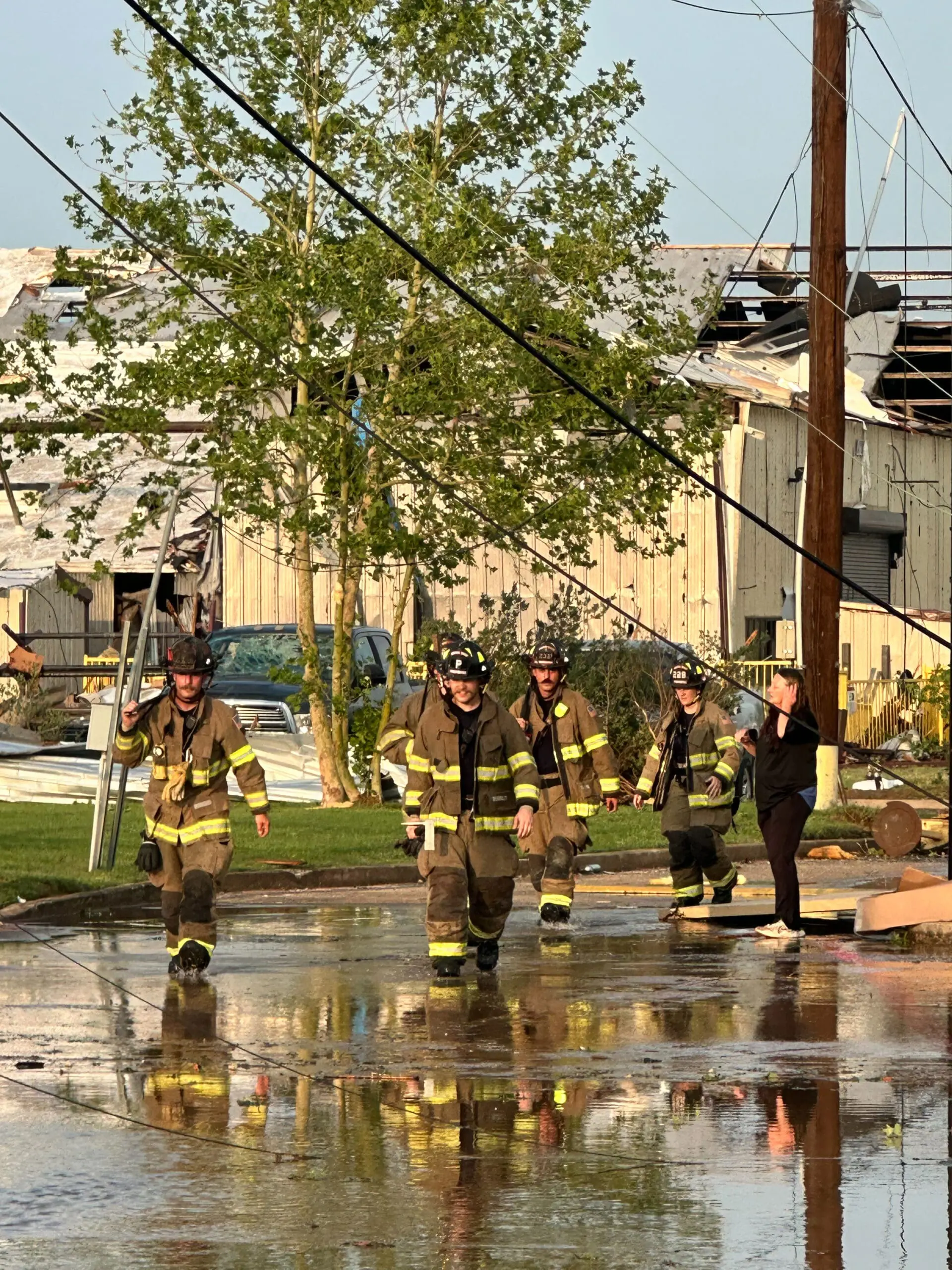
After the tornado passed, the work changed immediately from warning people to finding them, treating injuries, clearing access, and understanding the scale of the damage. Emergency crews entered streets where water, debris, and damaged utility lines made every step more difficult.
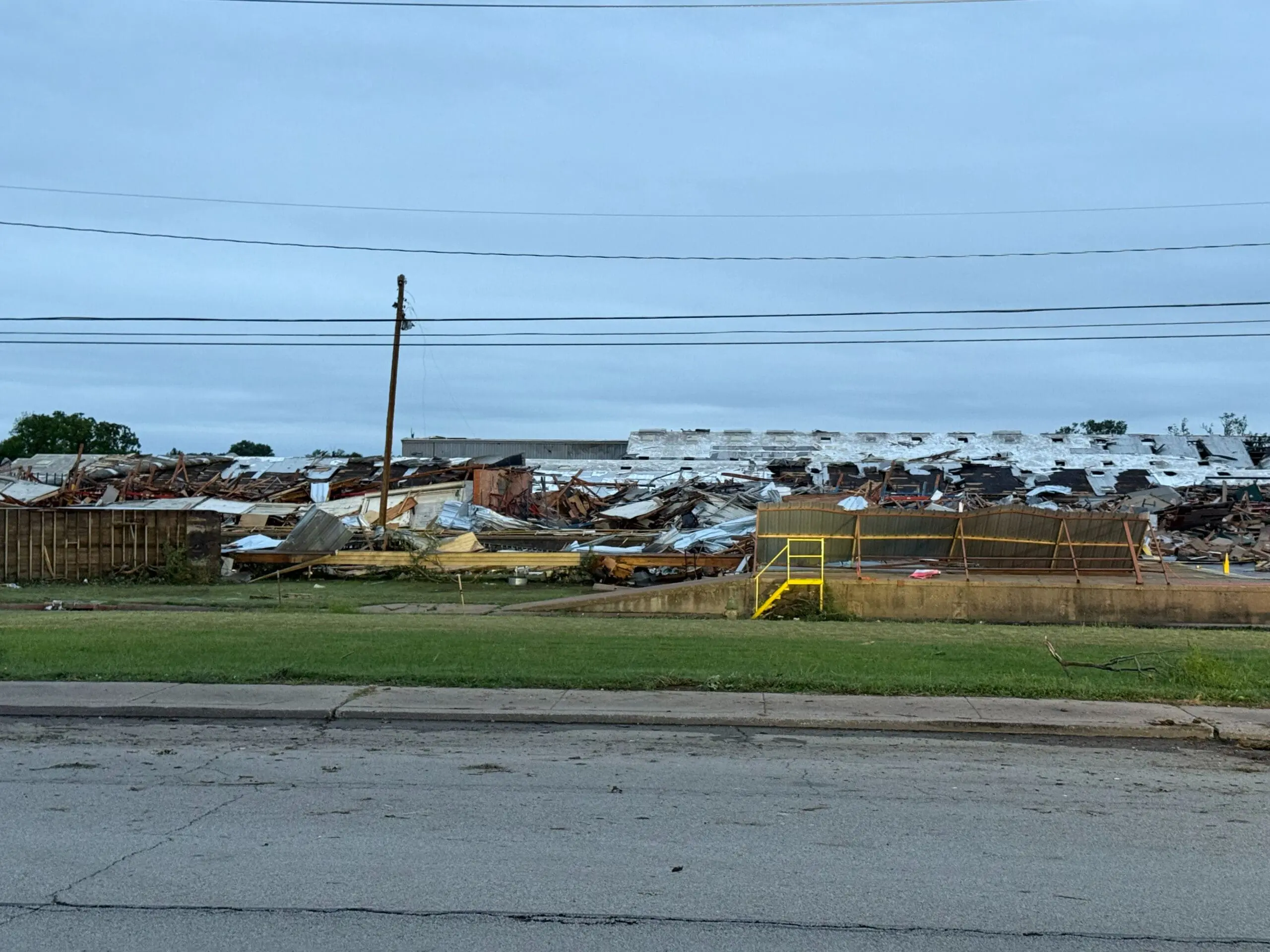
Dunn described the days that followed in simple terms.
“Right now we’re in the recovery phase, in the cleanup phase.”
Ryan Dunn
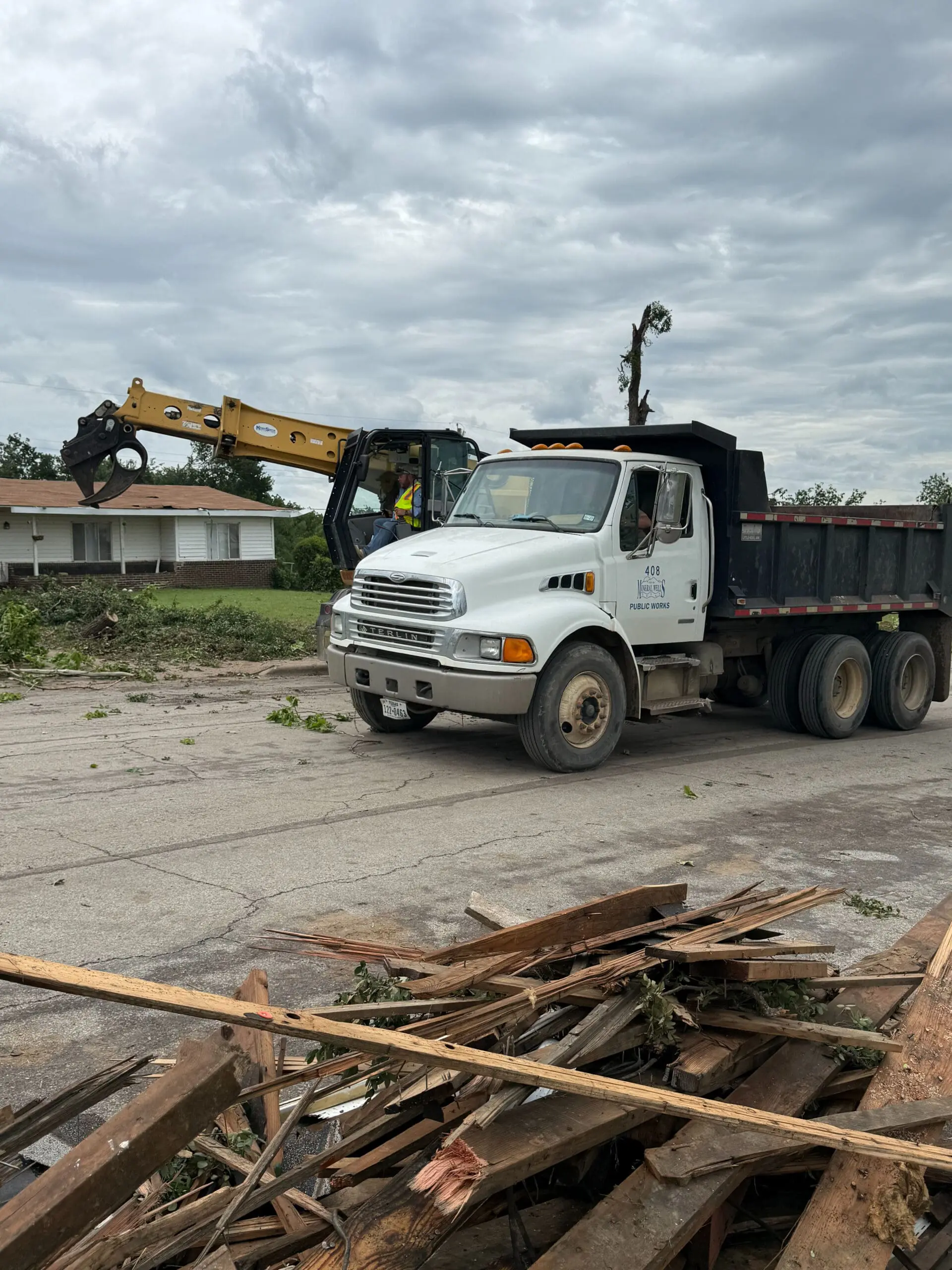
That phase could be seen everywhere. Public works crews hauled broken lumber and twisted metal. Firefighters checked damaged properties. Police helped secure streets. Volunteers delivered water, food, tools, and supplies. Churches and community organizations became collection points and places where people could ask for help.
A town of 15,000 showed up
For Dunn, one of the most powerful parts of the recovery was the sheer number of people who came forward.
“We’re a small town. We have 15,000 people in this town, and I wonder if I’ve seen all 15,000 of them.”
Ryan Dunn
They arrived from every part of the community. Some carried chainsaws. Some moved debris. Some organized donations. Others checked on neighbors, prepared meals, transported supplies, or simply asked where they were needed.
“They came out. They’ve helped,” Dunn said. “Doesn’t matter who you are, what you do for a living or what your status class is, they’re all out here helping.”
Brittany Brown saw the same spirit take shape among local agencies and community partners.
“Everybody just fell in so seamlessly together. We just had to figure it out and get it done.”
Brittany Brown
There was no single job that defined the response. The recovery depended on many people recognizing what they could do and doing it without waiting to be asked twice.
Brown described it as “everyone jumping in, finding their role, owning that role and doing the best they can for our community.”
Help arrived from beyond Mineral Wells
The response extended far beyond the city limits. Amy Orr watched donations and volunteers arrive from nearby Texas communities and from much farther away.
“We’ve had such an outpouring of love for our community.”
Amy Orr
People came from places including Burleson, Springtown, and Cleburne. Some traveled from other states. Their presence turned the recovery into a wider expression of solidarity with Mineral Wells.
“Your outpouring of love has been amazing and we are so humbled,” Orr said.
Christy Dorr witnessed both the scale of the destruction and the speed with which people organized to help.
“I got there and it was just house after house of devastation.”
Christy Dorr
Social media became one of the tools that connected urgent needs with people ready to meet them. Requests for supplies, cleanup help, and volunteer support could travel across the community in minutes.
“It really shows you the power of social media,” Dorr said. “People come together through social media and we get things done.”
The long work of rebuilding
The first days after a disaster are highly visible. Emergency vehicles fill the streets. Volunteers arrive in waves. Donations collect in public spaces. Then the cameras leave and the slower work begins.
For families and business owners, recovery can last months or years. Insurance claims, temporary housing, structural repairs, lost belongings, and emotional strain do not disappear when the debris is cleared. The story of the Mineral Wells tornado is still being written by the people rebuilding their homes and routines.
Brown promised that the community response would continue beyond the first surge of attention.
“We are going to be here every step of the way as we rebuild this community together.”
Brittany Brown
What the storm revealed
Mineral Wells has always carried the marks of its past. Old hotels, storefronts, mineral water wells, industrial buildings, and family homes hold generations of local memory. The tornado added another chapter, one that no one would have chosen.
Yet the storm also revealed the living character of the town. It showed a place where first responders moved toward danger, where neighbors crossed damaged streets to help one another, and where people from far away arrived ready to work.
Dorr put it plainly.
“It’s beautiful to see people come together in need and want to help each other.”
Christy Dorr
The physical scars will take time to heal. Some will remain as part of the landscape and the memories of those who lived through the night. But the final image of the storm does not have to be destruction. It can be firefighters walking through floodwater. It can be public works crews lifting debris. It can be volunteers filling tables with supplies. It can be a town refusing to leave any neighbor alone.
“It’s resilient,” Dunn said of Mineral Wells. “We’ll bounce back.”
Watch the full Mineral Wells recovery film
This film follows the people and organizations who came together after the EF-3 tornado and began the long work of recovery.
Frequently asked questions
When did the Mineral Wells tornado happen?
The tornado struck northeast Mineral Wells on the evening of April 28, 2026.
How strong was the Mineral Wells tornado?
The City of Mineral Wells reported that the National Weather Service classified the tornado as an EF-3.
Were there any fatalities?
No fatalities were reported. Five people were injured, and city officials reported that none of the injuries were critical.
How did the community respond?
First responders, public works crews, local organizations, churches, volunteers, neighboring towns, and out of state supporters provided cleanup help, food, supplies, transportation, and recovery assistance.
Sources: Interviews recorded by Jonny Goodday with Ryan Dunn, Brittany Brown, Christy Dorr, and Amy Orr in May 2026. Official storm classification and injury information from the City of Mineral Wells severe weather release.
Continue exploring
More stories from the field
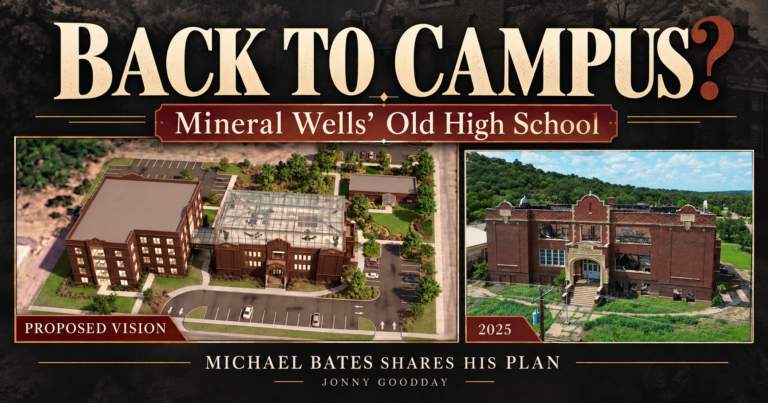
Mineral Wells Old High School: Michael Bates Shares His Plan
Michael Bates shares his plan to preserve Mineral Wells’ old high school, create a senior campus, and reopen the landmark for community…
Read the story →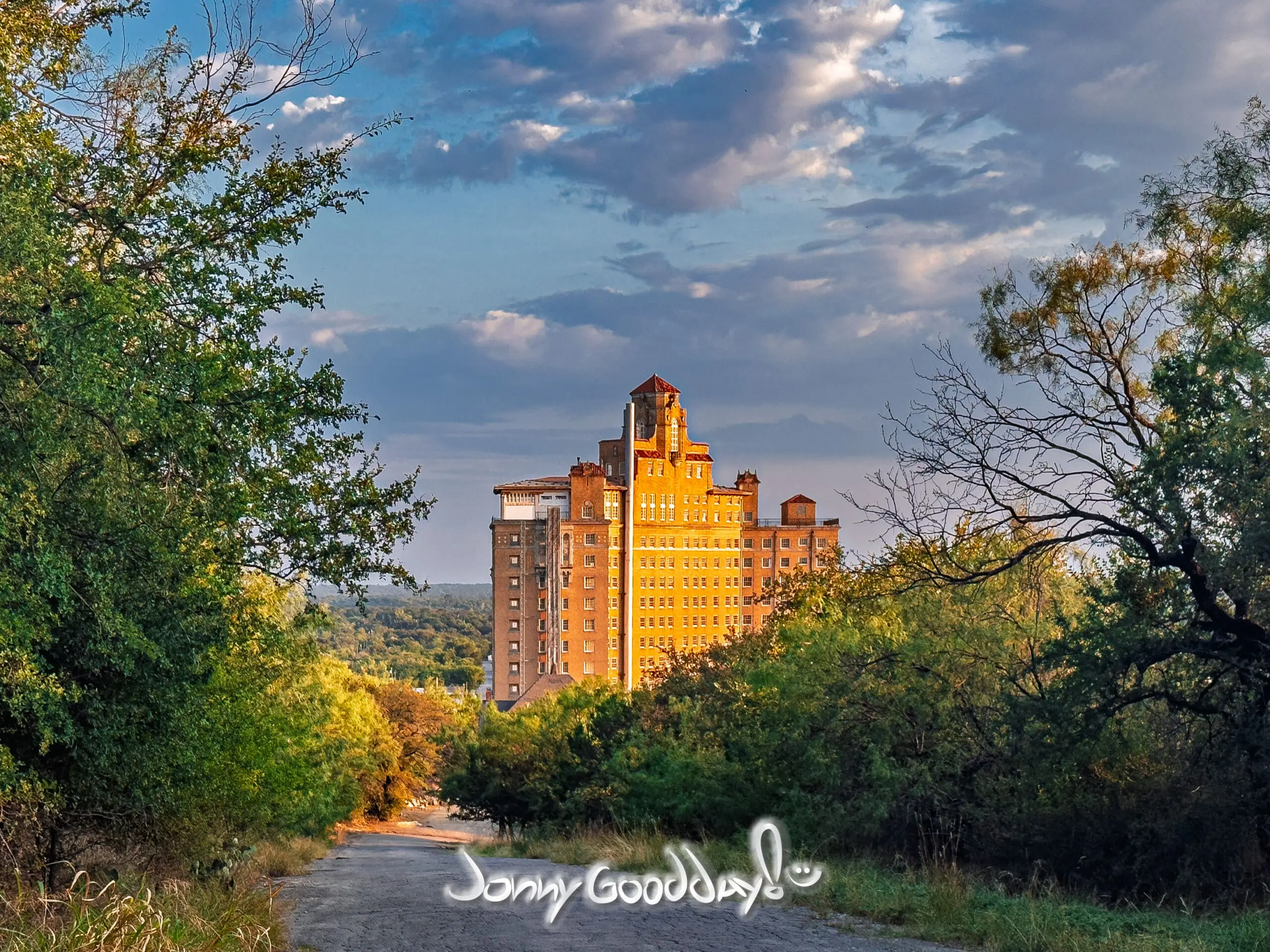
Baker Hotel in Mineral Wells: History and Restoration
Explore the Baker Hotel in Mineral Wells—its 1929 opening, Spanish Revival architecture, long silence, and restoration toward a planned 2028 return.
Read the story →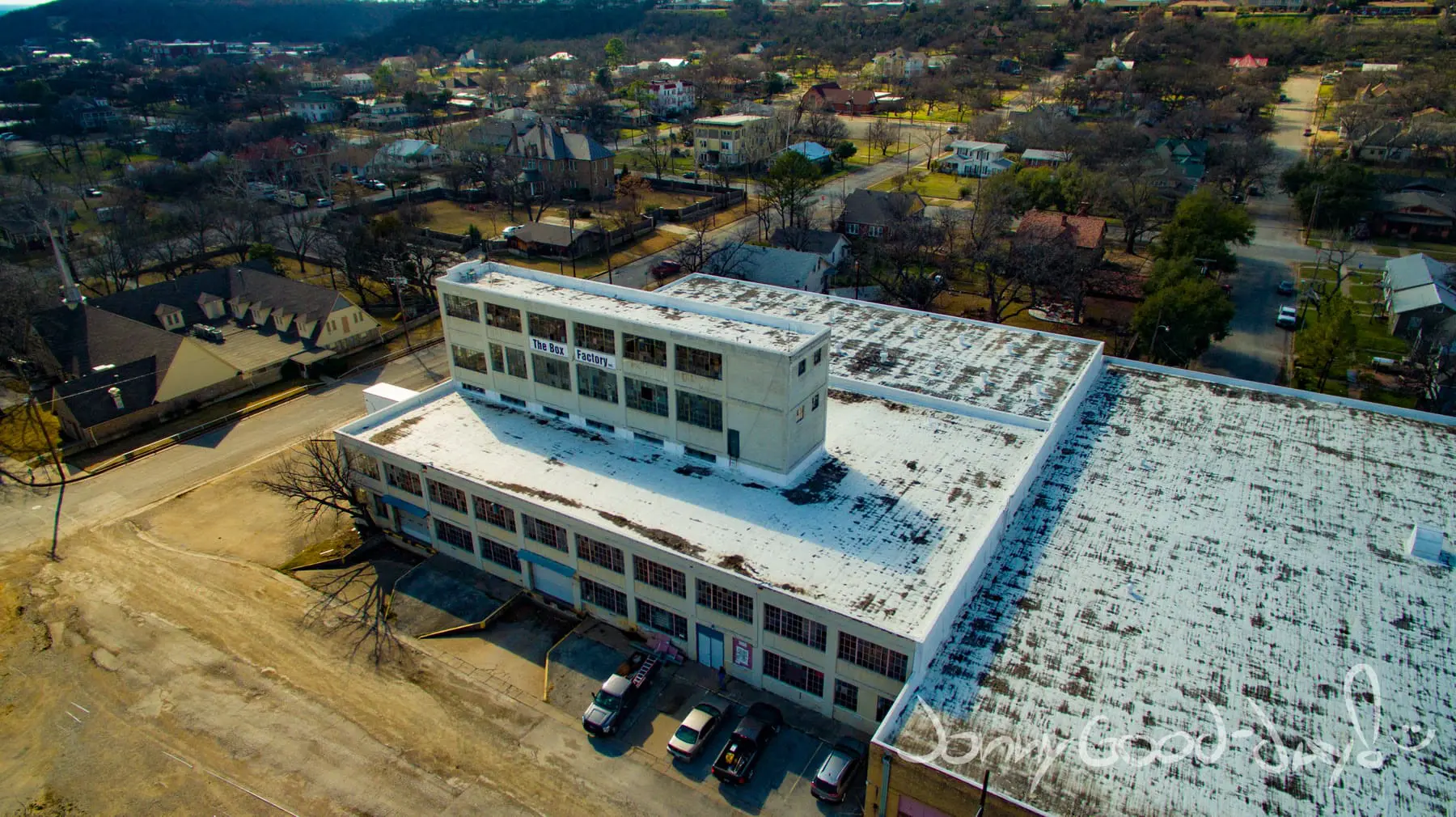
Boxes, Bottles, and Brick: Mineral Wells’ Box Factory Story
Mineral Wells’ Box Factory began as a 1919 Crazy Water Crystals plant, then shifted to paper box making. Explore its working history,…
Read the story →Stay close to the road
Follow the next story.
Occasional article updates, photographs, and films from the field.
Help document the places worth remembering. Support the work →
No Responses