

Short Films & Videos
Inside the Texas Fire Museum Restoration Shop
The Texas Fire Museum brings antique fire engines back to life inside a former Dallas Fire Department maintenance facility.
In this story
Jeff Jones shows how volunteers preserve the machines, tools, and stories of the fire service.
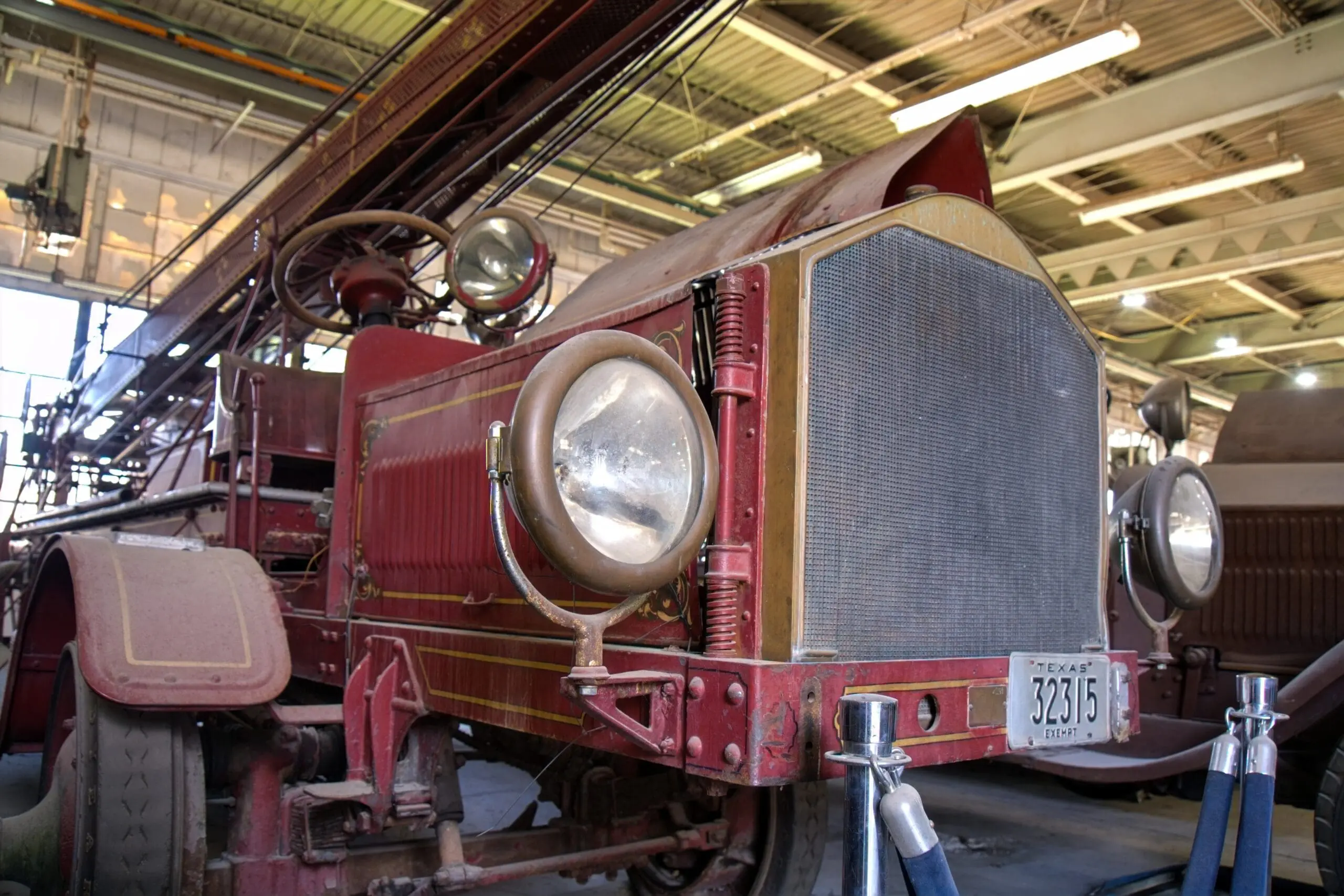
The museum occupies a building constructed in 1961 as a Dallas Fire Department maintenance facility. Fire apparatus once came here for repair, making its present use feel like a continuation rather than a reinvention.
After the department moved out in the 1990s, members of the North Texas Historical Fire Society used part of the building to maintain their own historic trucks. The quality and ambition of that work gradually transformed the site into a full restoration facility and museum.
“Our members restore antique fire apparatus to support the entire institution here.”
Jeff Jones
Inside the Texas Fire Museum restoration shop
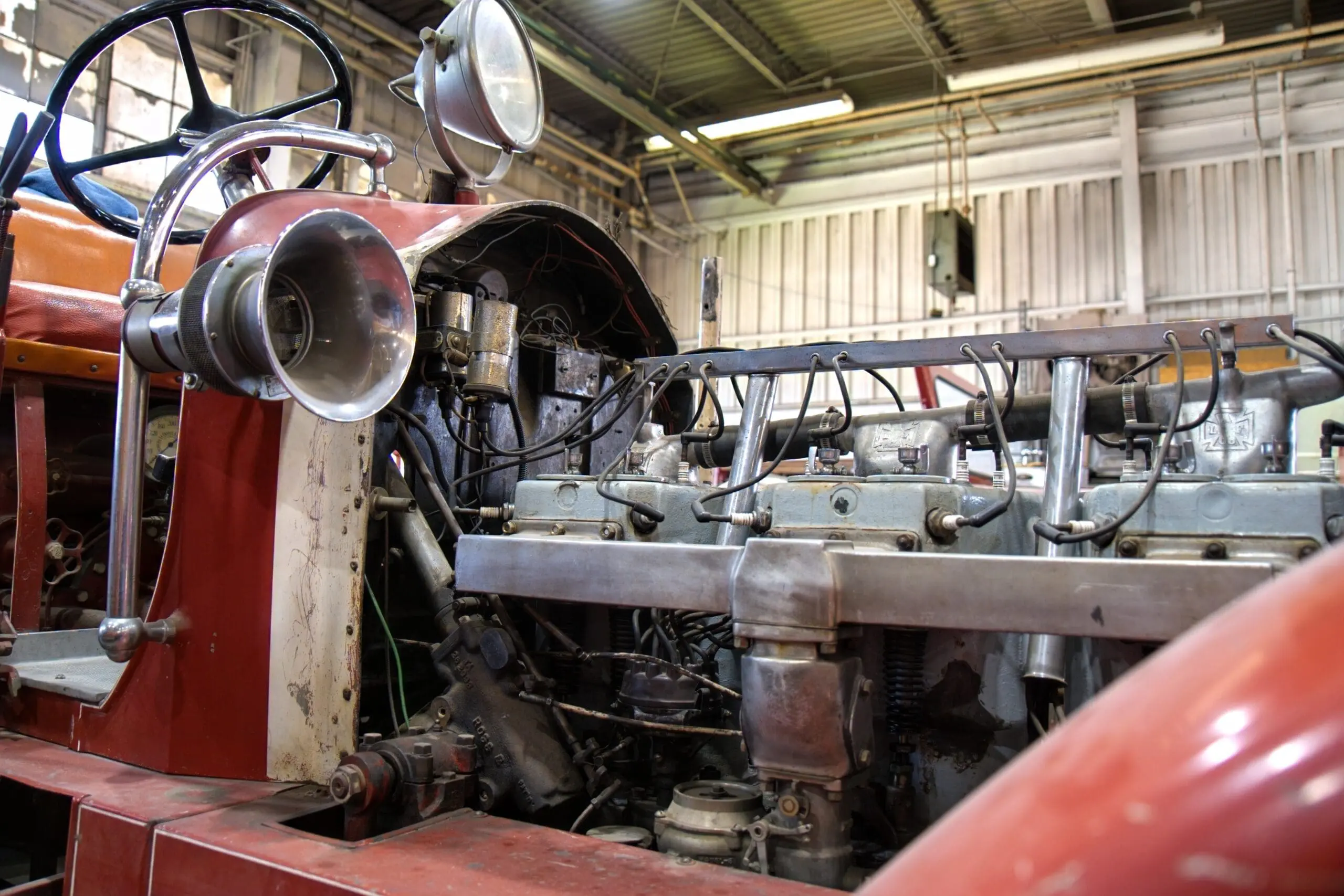
Restoring a fire engine requires more than polishing paint. Trucks must be disassembled, inspected, corrected, cleaned, fabricated, painted, and reassembled. Decades of repairs may have introduced incorrect parts or hidden damage.
The greatest challenge is often finding what is missing. Original components may no longer exist commercially. Volunteers search conventions, collector networks, and other museums. When the right piece cannot be found, the museum’s machine shop may build it.
“We have learned to source parts from collectors around the country and to beg, borrow, and trade what we can get.”
Jeff Jones
Why Jeff Jones bought his own fire truck
Jones served as a volunteer firefighter. When his department changed and it was time to move on, he still missed the sound, machinery, and shared purpose of the fire service. He bought a fire truck and restored it at the museum.
That personal project opened a much larger interest. He began studying not only vehicles but the people, stations, equipment, and traditions that shaped firefighting from early volunteer companies to modern departments.
“It’s not only the trucks, but the men and women who have served, the stations, the equipment, and the whole history of how fire service evolved.”
Jeff Jones
The story behind a donated siren
One episode captures how the collection grows. An old Dallas fire truck arrived without its siren. The next day, a woman visited with a siren that had belonged to her late husband and sat in a closet.
The mounting holes matched the truck. The siren joined the apparatus as if the two pieces had been waiting to find one another.
“It’s not just a piece of equipment. There are a lot of stories behind each one.”
Jeff Jones
Objects donated to a museum often arrive with grief, pride, and family memory attached. A helmet may represent a career. A bell may recall a station that no longer exists. A light or uniform may be the last physical connection to someone’s service.
The building is part of the collection
The former maintenance facility carries its own importance. Historic photographs show rows of apparatus and technicians working in the same large bays now occupied by the museum.
Volunteers have restored front offices, repaired roofs, and planned continuing work on the building. Preserving the structure gives the trucks an authentic industrial setting and protects the machine shop required to keep them alive.
A collection that can still teach
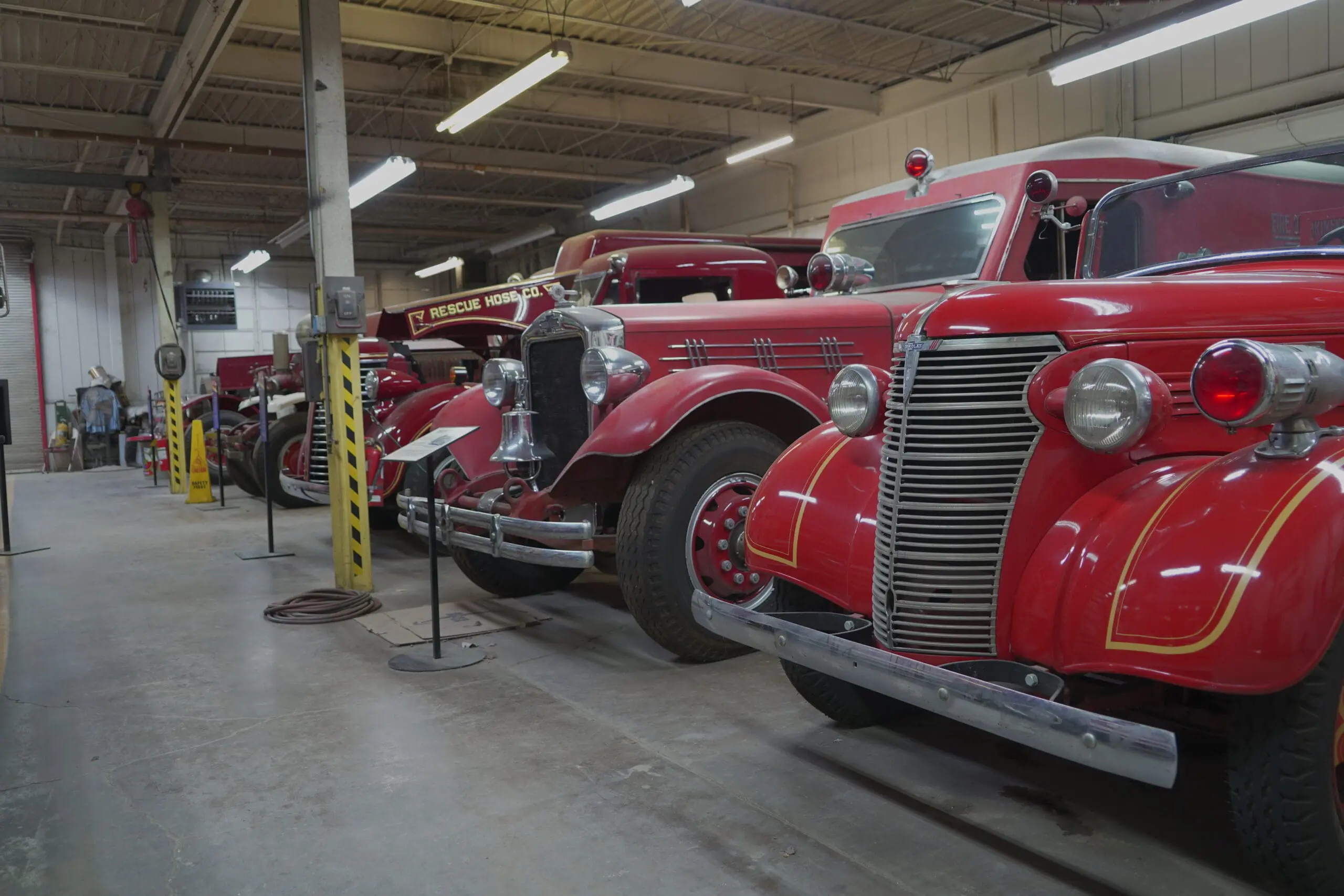
Antique fire engines reveal how cities grew and how public safety changed. Open cabs became enclosed. Pumps gained capacity. Communications improved. Medical response expanded. Protective equipment became more sophisticated.
The museum places those changes at human scale. Visitors can compare machines, see restoration in progress, and talk with people who understand how the equipment worked.
The volunteers are preserving more than vehicles. They are preserving practical knowledge that disappears when the last person who remembers a system is gone.
WATCH THE STORY
Inside the Texas Fire Museum
Tour the restoration shop, apparatus collection, and working museum in this film published by Jonny Goodday.
Frequently asked questions
Where is the Texas Fire Museum?
The museum is housed in the former Dallas Fire Department maintenance facility on Chalk Hill Road in Dallas.
Who restores the fire engines?
Members and volunteers restore historic apparatus using sourced original parts, traded components, and pieces fabricated in the museum machine shop.
What does the museum collect?
The collection includes fire engines, tools, sirens, bells, uniforms, lights, photographs, and other material connected to fire service history.
When was this story photographed?
The interview and principal photography were recorded in June 2025.
Sources: Interview with Jeff Jones recorded by Jonny Goodday in June 2025. Historic photographs and apparatus documented at the Texas Fire Museum.
Continue exploring
More stories from the field

Fort Worth’s Courthouse Outlasted the Officials Who Built It
Fort Worth’s 1895 courthouse came in under budget—and still cost the county judge and commissioners their jobs. Explore the landmark’s history, restoration…
Read the story →
The Last Cut: How Swift & Company Made Fort Worth a Packinghouse City
Swift & Company helped build Fort Worth. Explore the workers, packinghouses, and surviving fragments behind the Stockyards story.
Read the story →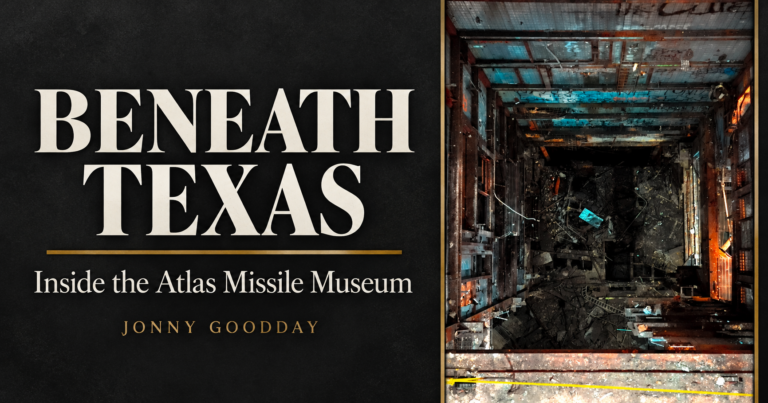
Inside the Atlas Missile Museum of Texas at Oplin
Go inside Oplin’s Atlas Missile Museum with Jonny Goodday and Bruce Townsley, where Cold War history and a remarkable community restoration meet.
Read the story →Stay close to the road
Follow the next story.
Occasional article updates, photographs, and films from the field.
Help document the places worth remembering. Support the work →
No Responses